
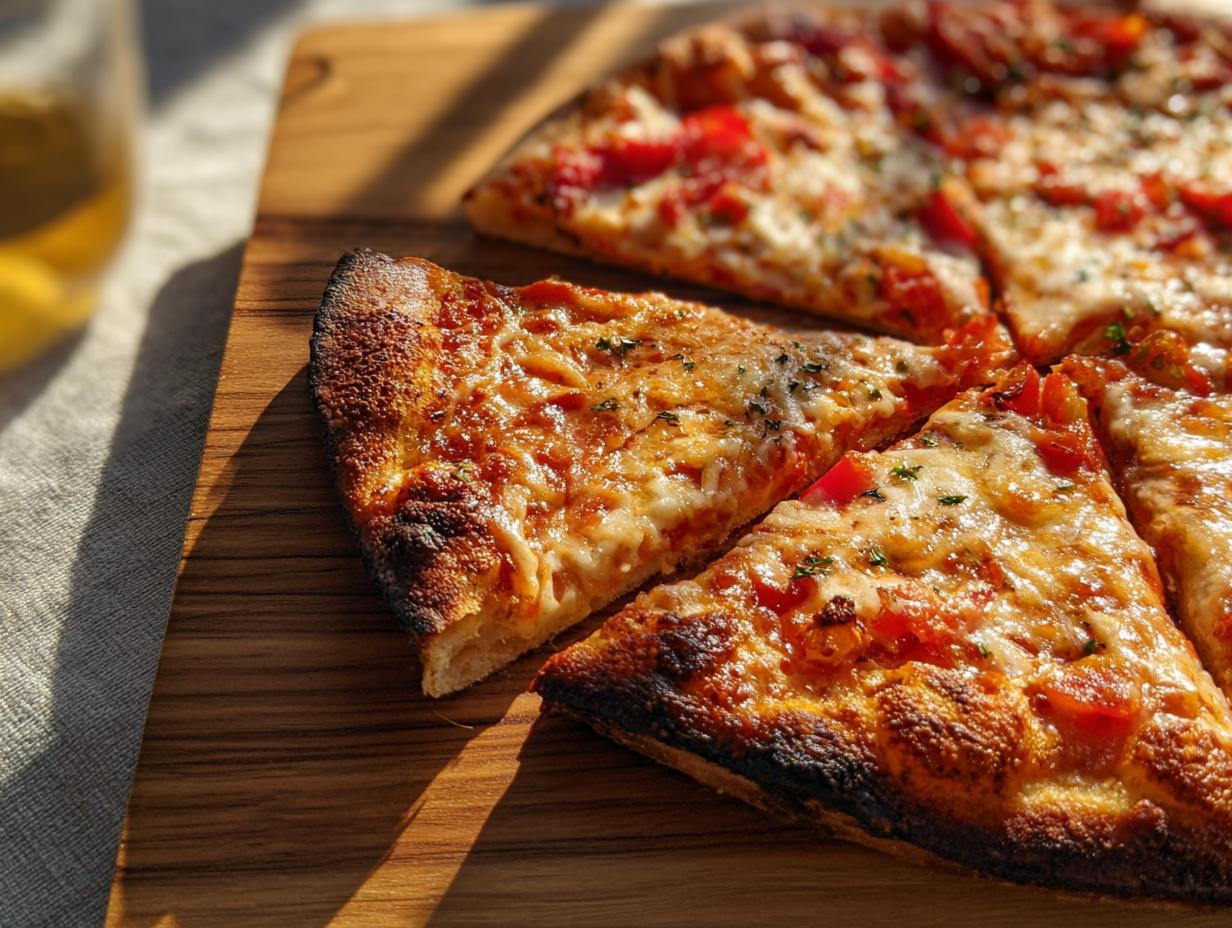
Oh, pizza night! Does any other evening of the week bring a bigger smile to everyone’s face? I can still picture our family ones when I was a kid, Mom laying out every single topping imaginable, while my brother and I battled it out to see who could create the wildest culinary masterpiece. The kitchen was always just *filled* with laughter! Now, as a nutritional science advisor, I get to bridge that nostalgic joy with modern food needs, tweaking those beloved childhood classics for gluten-free and low-carb diets without losing *any* of that deliciousness or that spirit of fun. Get ready, because this is hands-down The Only Pizza Night Recipes Recipe You’ll Need (2025) – your ultimate guide to perfect homemade pizzas that everyone, and I mean *everyone*, will love. Seriously, prepare for total pizza bliss!
Why This Recipe is Your Go-To for The Only Pizza Night Recipes Recipe You’ll Need (2025)
Trust me, finding that one perfect pizza dough recipe can feel like a quest, but you’ve found it! This isn’t just any dough; it’s your ticket to effortless, delicious pizza nights that everyone will rave about. Here’s why it’s a winner:
- Super Easy: Seriously, even if you’re new to dough-making, you’ll nail this.
- Adaptable for Everyone: Whether you’re going gluten-free, low-carb, or sticking to the classic, this recipe easily flexes to fit your needs.
- Nostalgia Factor: It brings back all those amazing family pizza night memories, making it more than just a meal – it’s an experience!
Get ready to make The Only Pizza Night Recipes Recipe You’ll Need (2025) a regular part of your family fun!
Gather Your Ingredients for The Only Pizza Night Recipes Recipe You’ll Need (2025)
Okay, let’s get our mise en place ready, because gathering the right ingredients is half the fun, right? For The Only Pizza Night Recipes Recipe You’ll Need (2025), you’ll want to have these on hand. Don’t worry, it’s pretty straightforward stuff!
- Sourdough Starter: 1 cup, unfed/discard is totally fine! Make sure any liquid on top is stirred back in.
- Water: About 1/2 cup plus 2 tablespoons, all the way up to 3/4 cup. Keep it lukewarm – not too hot, not too cold.
- All-Purpose Flour: 2 1/2 cups. It’s best to weigh it out, but if you’re scooping, spoon it in gently and level it off.
- Salt: Just 1 teaspoon of table salt.
- Yeast: 1/2 teaspoon. Instant or active dry yeast both work here.
- Pizza Dough Flavor: 4 teaspoons, if you’ve got it! It’s optional, but it really adds that authentic pizza shop taste.
See? Simple ingredients, big pizza dreams!
Step-by-Step Guide to Making Your Pizza Dough
Alright, pizza-making time! This is where the magic really happens. Don’t worry, it’s super straightforward. We’re going to take these simple ingredients and turn them into pizza perfection. Ready?
Preparing the Sourdough Starter
First things first, grab your sourdough starter. If it’s been chilling in the fridge, you’ll see a little liquid on top – that’s totally normal! Just stir it right back into the starter before you measure out that 1 cup. This is also a great moment to feed the rest of your starter if it’s getting hungry.
Mixing the Pizza Dough Ingredients
Now, let’s get this dough party started! In your big mixing bowl, or the bowl of your stand mixer if you’re using one, combine the lesser amount of lukewarm water with your flour (remember to weigh it for best results!), salt, yeast, and that optional pizza dough flavor. Then, add in your measured sourdough starter. Give it a good mix until it all comes together.
Kneading and First Rise
If you’re using a stand mixer, let it knead the dough for about 5-7 minutes until it’s smooth and elastic. If you’re doing it by hand, turn that dough out onto a lightly floured surface and knead away for about 8-10 minutes. You’re looking for a dough that feels smooth and bounces back when you poke it. Then, pop it into a lightly oiled bowl, cover it up, and let it rest for a good 24 hours. Yep, a full day! This long rest is key for flavor and texture.
Shaping and Topping Your Pizza
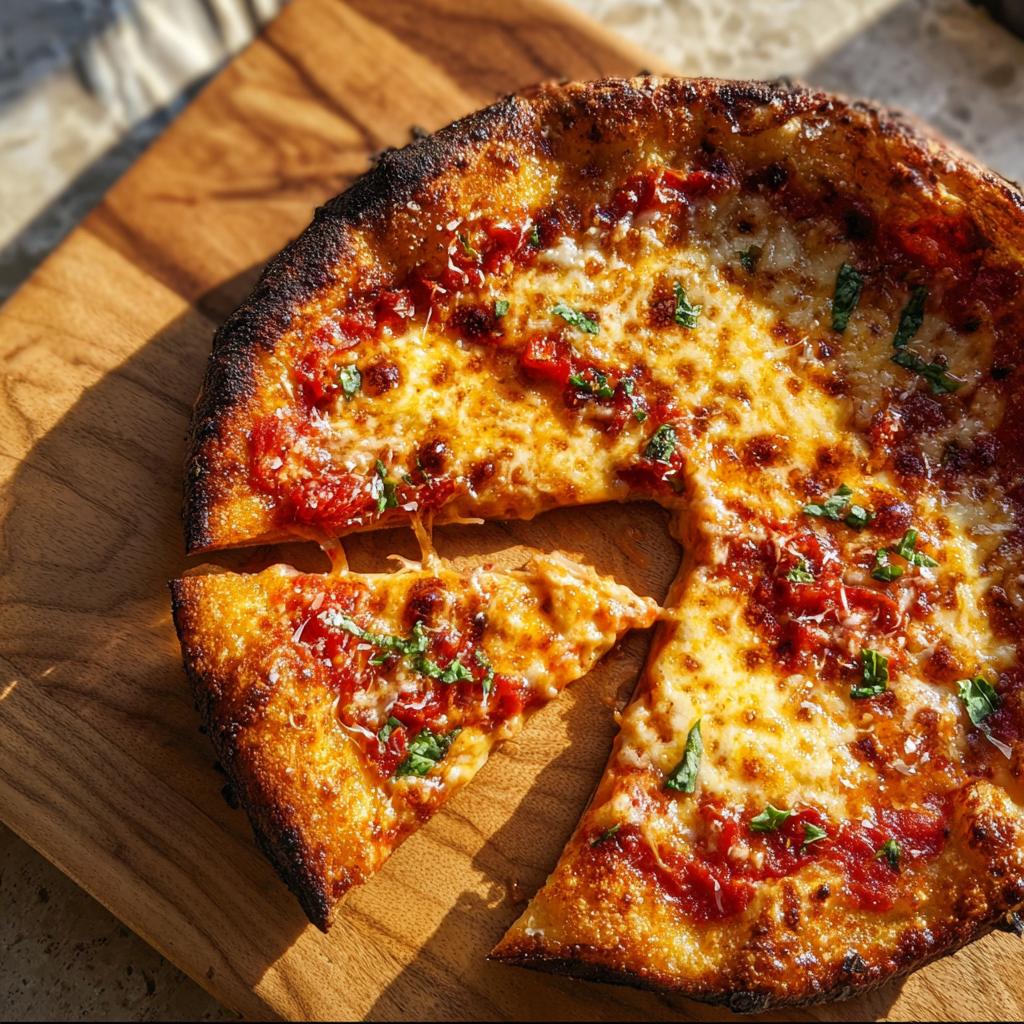
Once that long rest is done, your dough will be puffy and wonderful! Gently punch it down and turn it out onto a lightly floured surface. Shape it into your pizza base – don’t be afraid to get creative! Then, go wild with your favorite toppings. This is your canvas, so have fun with it!
Tips for Perfect Pizza Night
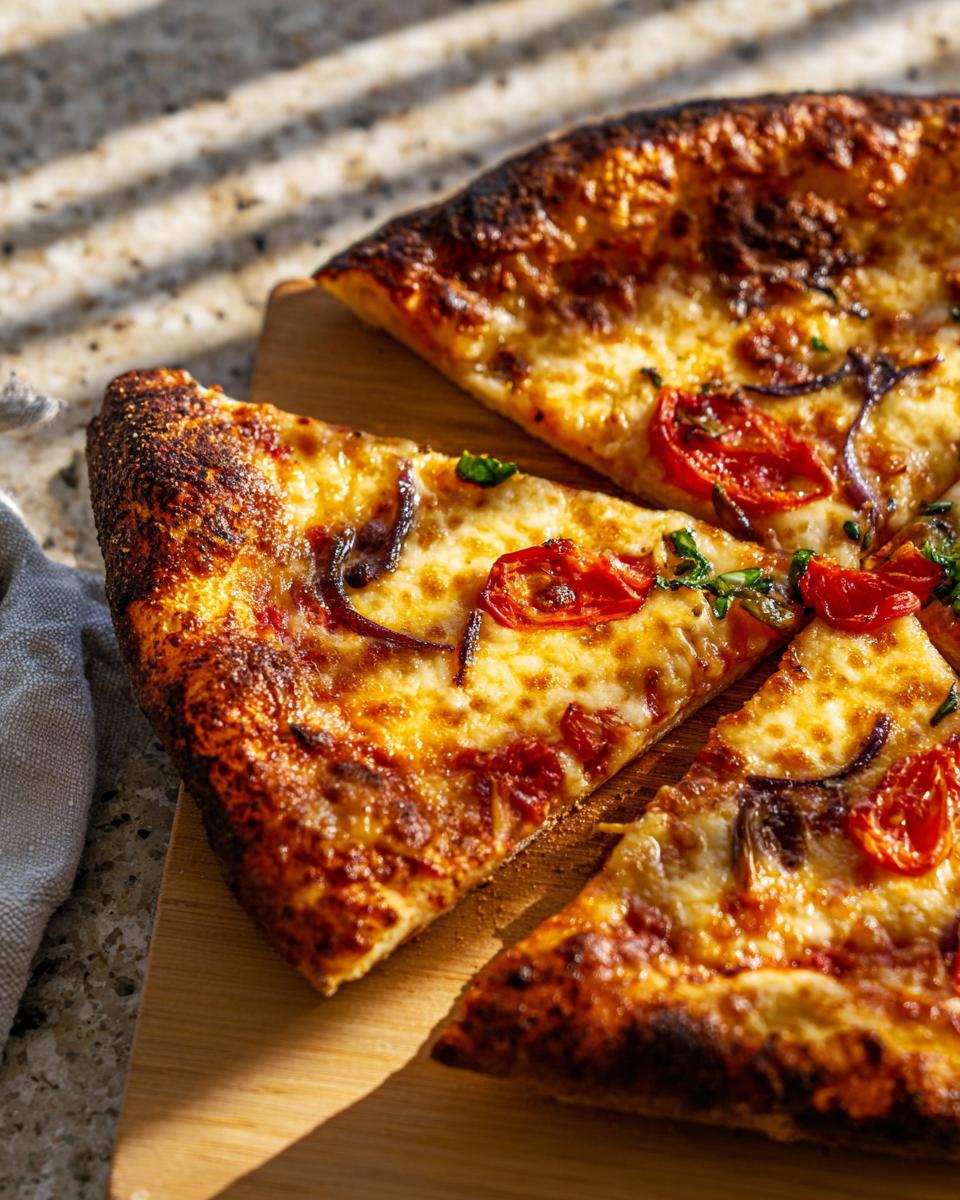
Alright, you’ve got the dough, you’ve got your toppings, but let’s make sure this pizza night is absolutely epic! A few little tricks can elevate your homemade pizza from good to *OMG amazing*. First off, crank your oven as high as it’ll go – usually around 475-500°F (245-260°C). Trust me, a super hot oven is key for that crispy crust. If you have a pizza stone or steel, preheat it in the oven for at least 30 minutes before you even think about sliding your pizza on there. It makes a *huge* difference in getting that perfect chewy-crisp texture you get from the pros. And for toppings? Don’t overload it! A few well-chosen ingredients shine better than a mountain of everything. Think about pairing flavors – maybe some spicy salmon with a creamy sauce, or classic basil and fresh mozzarella. For more topping ideas, check out some great inspiration over at King Arthur Baking. Remember, pizza night is all about having fun and enjoying delicious food with your favorite people!
Adapting The Only Pizza Night Recipes Recipe You’ll Need (2025) for Dietary Needs
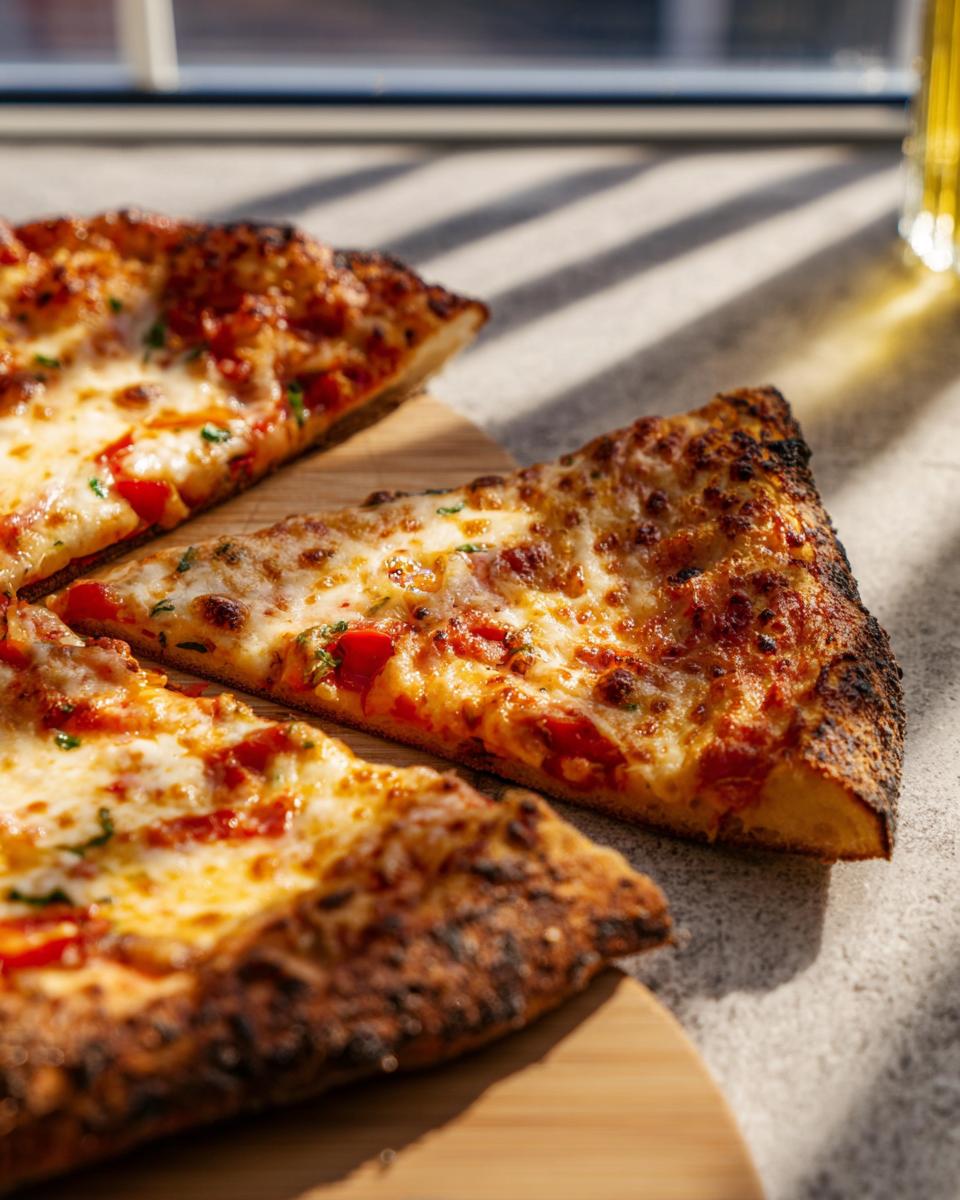
You know, one of the coolest things about this recipe, besides it being The Only Pizza Night Recipes Recipe You’ll Need (2025), is how darn adaptable it is! I know so many of you are watching your carbs or avoiding gluten, and guess what? You can totally make this work. For a gluten-free pizza, you’ll want to swap out the all-purpose flour for a good gluten-free all-purpose blend that contains xanthan gum. Some of my favorite blends that work really well for pizza dough can be found on sites like Low Carb Gluten Free Meals. Just follow the package directions for your specific blend to make sure the dough consistency is right. If you’re aiming for low-carb, you’ll want to experiment with almond flour or coconut flour. It’s a bit different, and you might need to adjust the liquid a tiny bit, but trust me, it’s totally doable! For more ideas on low-carb living, check out guides on making low-carb meals. And if you’re curious about managing things like diabetes with your diet, there are great resources on gluten-free diabetic meal plans too. The goal is to get that delicious pizza night experience for *everyone* at the table!
Frequently Asked Questions About The Only Pizza Night Recipes Recipe You’ll Need (2025)
Got questions? I’ve got answers! Making pizza at home is so much fun, and sometimes little things pop up. Here are some common questions about preparing The Only Pizza Night Recipes Recipe You’ll Need (2025). If you have any others, don’t hesitate to reach out via our contact page!
Can I use active dry yeast instead of instant yeast?
You sure can! Instant yeast is a bit more forgiving, but active dry yeast works just fine. Just make sure to wake it up first. Proof it in that lukewarm water with maybe a tiny pinch of sugar for about 5-10 minutes until it gets foamy. Then, add that bubbly mixture to your dough ingredients.
What is the best flour for gluten-free pizza dough?
For a great gluten-free pizza crust, I love using a good quality gluten-free all-purpose flour blend that already has xanthan gum in it. Brands like Bob’s Red Mill 1-to-1 or King Arthur Measure for Measure usually do the trick! You can find some awesome tips and blends on sites like Low Carb Gluten Free Meals. Different blends might require slightly different amounts of liquid, so just aim for a dough that’s easy to handle.
How long does the dough need to rest?
This is key for flavor and texture! We’re talking a good, long rest of about 24 hours. This slow fermentation really develops that wonderful sourdough tang and makes the dough super easy to digest. You’ll usually find it has a nice, airy texture after all that time.
Estimated Nutritional Information
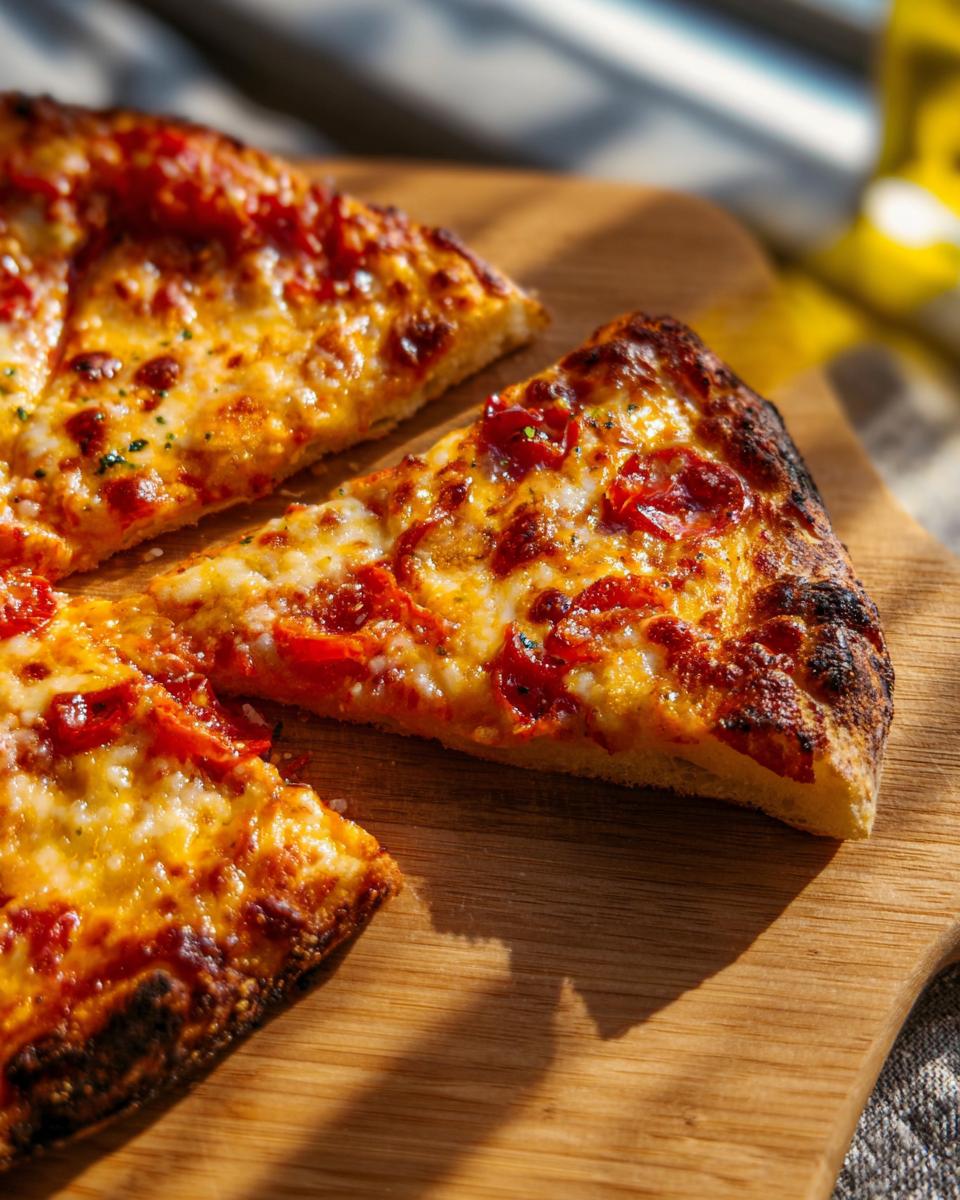
Just a heads-up, the nutritional info here is an estimate, like a ballpark figure! It can really change depending on exactly what kind of flour you use and, of course, all those yummy toppings you add. But generally, a slice of this pizza dough is around 250-300 calories, with about 5g fat, 8-10g protein, and 40-50g carbs. Enjoy!
Share Your Pizza Night Creations!
Now it’s YOUR turn to shine! Did you make this pizza dough? Did you try a super fun topping combo? I’d absolutely LOVE to hear all about it and see your amazing pizza night creations! Please leave a comment below, rate this recipe, or even tag us on social media. If you have any more questions or just want to share your pizza triumphs, don’t hesitate to reach out through our contact page. Happy pizza making!
The Only Pizza Night Recipes Recipe You’ll Need (2025)
Ingredients
Equipment
Method
- Stir any liquid on top of your refrigerated starter back into it before measuring 1 cup into a large mixing bowl. Note: This is a good opportunity to feed the remainder of your starter, if necessary.
- To make the dough: Weigh your flour; or measure it by gently spooning it into a cup, then sweeping off any excess. In your large mixing bowl or bowl of your stand mixer, combine the lesser amount of water, the flour, salt, yeast, and Pizza Dough Flavor with the sourdough starter.
Notes
Tried this recipe?
Let us know how it was!
Certified Nutritional Science Authority
The intersection of celiac disease and metabolic health fascinated me from my first dietetic internship. Watching patients struggle to find foods supporting both their autoimmune condition and weight goals launched my career mission: proving medically necessary diets can be nutritionally optimal.
For twelve years, I’ve specialized in gluten-free living while achieving metabolic health objectives. My published research demonstrates that properly planned gluten-free, low-carb eating provides superior nutrition compared to standard approaches.
The hidden trap? Most commercial gluten-free products are carb bombs – rice flour and potato starch masquerading as healthy alternatives. My frameworks avoid this completely, using nutrient-dense ingredients like almond flour and flaxseed that enhance rather than just replace.
Every recipe I review meets rigorous standards: adequate protein for metabolic support, healthy fats for satiety, proper fiber levels for digestive health – all maintaining strict gluten-free protocols for celiac management. I’ve guided over 500 individuals through this optimization process.
My personal gluten-free, low-carb lifestyle fuels my long-distance cycling and triathlon training – proof that these approaches deliver sustained energy and mental clarity. Medical necessity doesn’t mean nutritional compromise.