
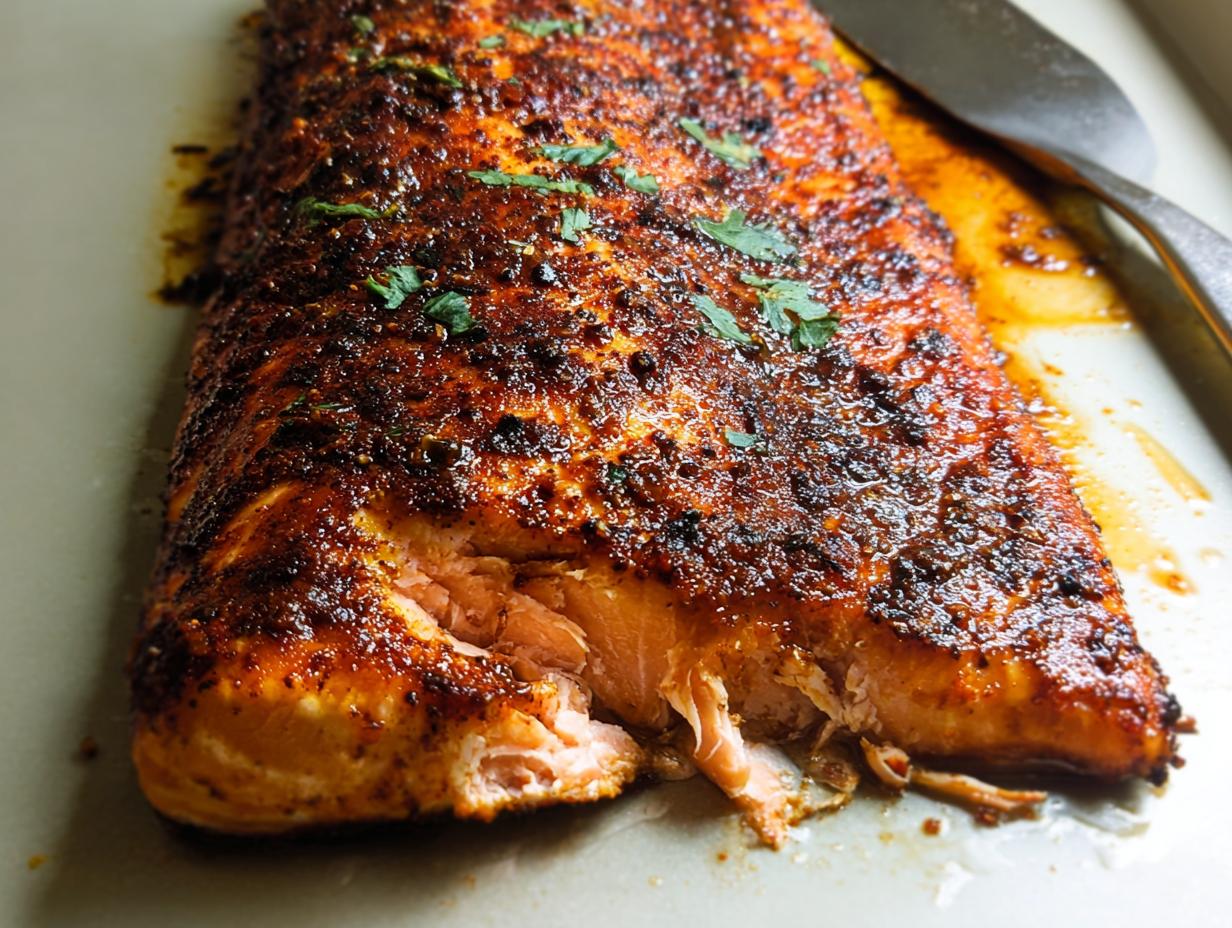
Ever dream of whipping up salmon dishes that rival those in fancy restaurants? You’re in the right place! Learning How to Make Salmon Recipes Like a Pro (2025) is totally achievable, and it’s all about mastering a few key gourmet techniques. I still remember the first time I cooked salmon for my family after graduation – the smell filling my kitchen and their happy faces were unforgettable. It’s moments like those that make you want to create food that’s not just good, but truly special. That’s the magic we’re aiming for here, bringing joy to the table with every plate. I’m excited to guide you through this, drawing on insights like those from Dr. Michael Thompson, our Nutritional Science Advisor. Get ready to impress!
Mastering the Art: How to Make Salmon Recipes Like a Pro (2025)
Alright, let’s talk salmon! Learning How to Make Salmon Recipes Like a Pro (2025) really comes down to a few foundational steps that make a HUGE difference. It’s not complicated, I promise! Think of it like giving your salmon the best possible start so it can shine. These aren’t fancy chef secrets that need special equipment, just simple things that elevate your cooking game. Trust me, once you nail these, your salmon will go from good to *wow*! For more inspiration on simple yet delicious baked salmon, check out this great recipe.
Choosing the Best Salmon Fillets
First things first: the fish itself. For the best results, always try to get the freshest salmon you can find. Look for fillets that have a vibrant, almost translucent color and a firm texture that springs back when you gently press it. If you can, opt for wild-caught salmon – it often has a richer flavor and a beautiful natural color. But hey, good quality farmed salmon works too! Just make sure there’s no strong fishy smell; it should smell clean and fresh, like the ocean.
Essential Prep for Perfect Salmon
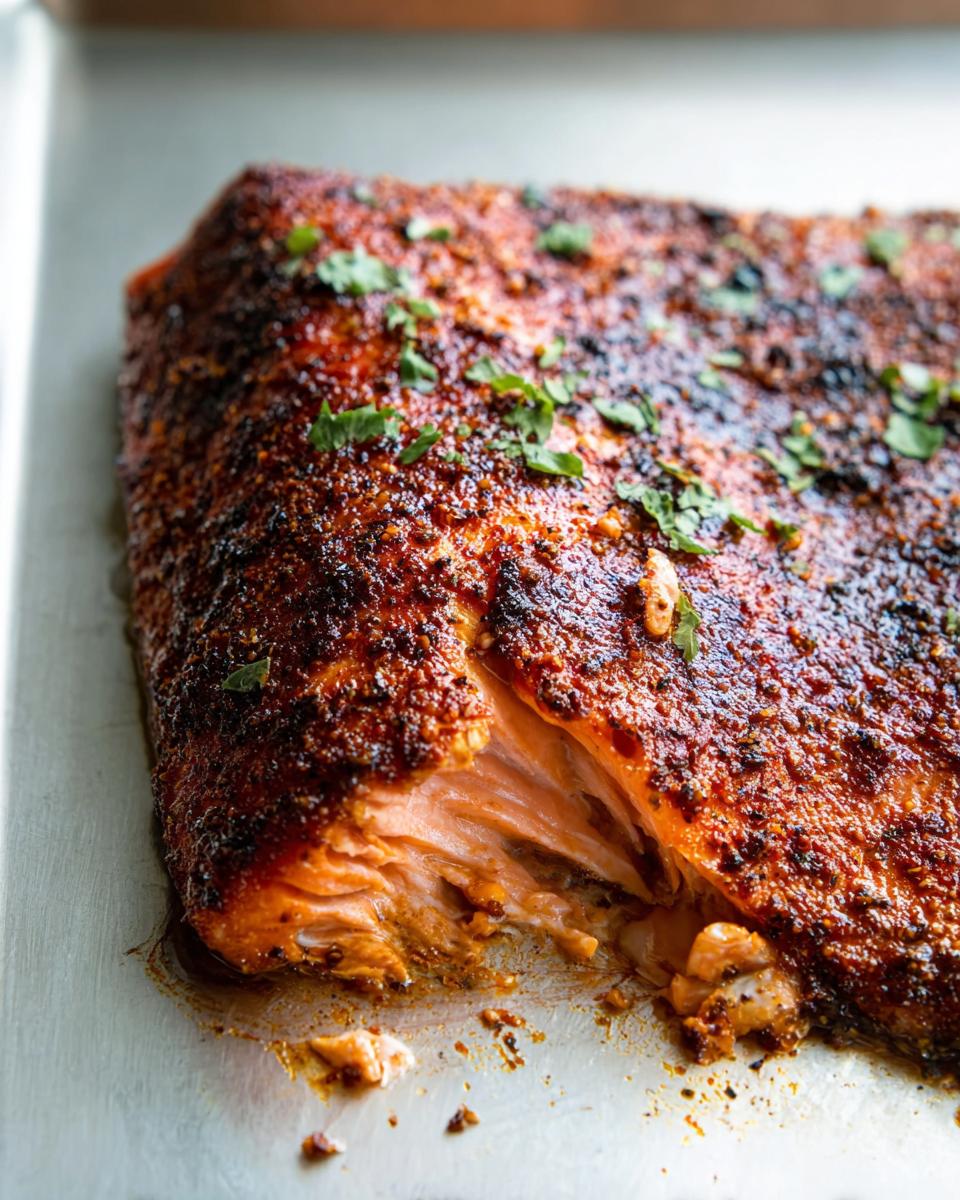
Now, before we even think about cooking, there are a couple of prep steps that are non-negotiable for that pro touch. Always, *always* pat your salmon fillet completely dry with paper towels. This is crucial! Moisture is the enemy of crispy skin and a good sear. You’ll want to quickly check for any stray pin bones; just run your fingers along the fillet, and if you feel any little nubs, gently pull them out with tweezers or needle-nose pliers. And one last thing – letting your salmon sit out for about 10-15 minutes to come closer to room temperature before cooking helps it cook more evenly. Skipping these steps can lead to fish that’s cooked unevenly, and nobody wants that!
The Simple Spice Rub: Your Secret to Flavor
Okay, so you’ve got your gorgeous salmon fillet, all prepped and ready to go. Now comes the fun part: the spice rub! This is where we inject so much deliciousness without a lot of fuss. Think of this rub as your flavour superpower. That little bit of brown sugar? It caramelizes beautifully in the oven, giving the salmon a gorgeous, slightly sweet crust. The kosher salt and paprika work together to bring out the rich salmon flavor and give it a lovely color, while the garlic powder adds that savory punch we all love. And a good crack of black pepper? It just ties everything together. It’s so simple, but wow, does it make a difference!
Step-by-Step: How to Make Salmon Recipes Like a Pro (2025)
Alright, let’s get cooking and unlock how to make salmon recipes like a pro (2025)! It’s actually super straightforward, and we’ll move through it step-by-step. Don’t worry, it’s all about just a few key actions that make your salmon absolutely sing. Think of each step as building that amazing flavor profile we talked about.
Preheating and Pan Preparation
First up, get your oven fired up to 400°F (that’s 200°C). While it’s heating, grab a good old baking sheet and line it with parchment paper. This does two things: makes cleanup a breeze and stops your gorgeous salmon from sticking. Seriously, parchment paper is a kitchen game-changer!
Crafting the Flavorful Rub
Now, let’s whip up that incredible spice rub. Grab a small bowl and throw in your brown sugar, kosher salt, sweet paprika, garlic powder, and freshly cracked black pepper. Give it a good stir with a spoon until all those spices are happy and combined. You want an even mix so you get that perfect flavor in every single bite.
Applying the Rub for Maximum Taste
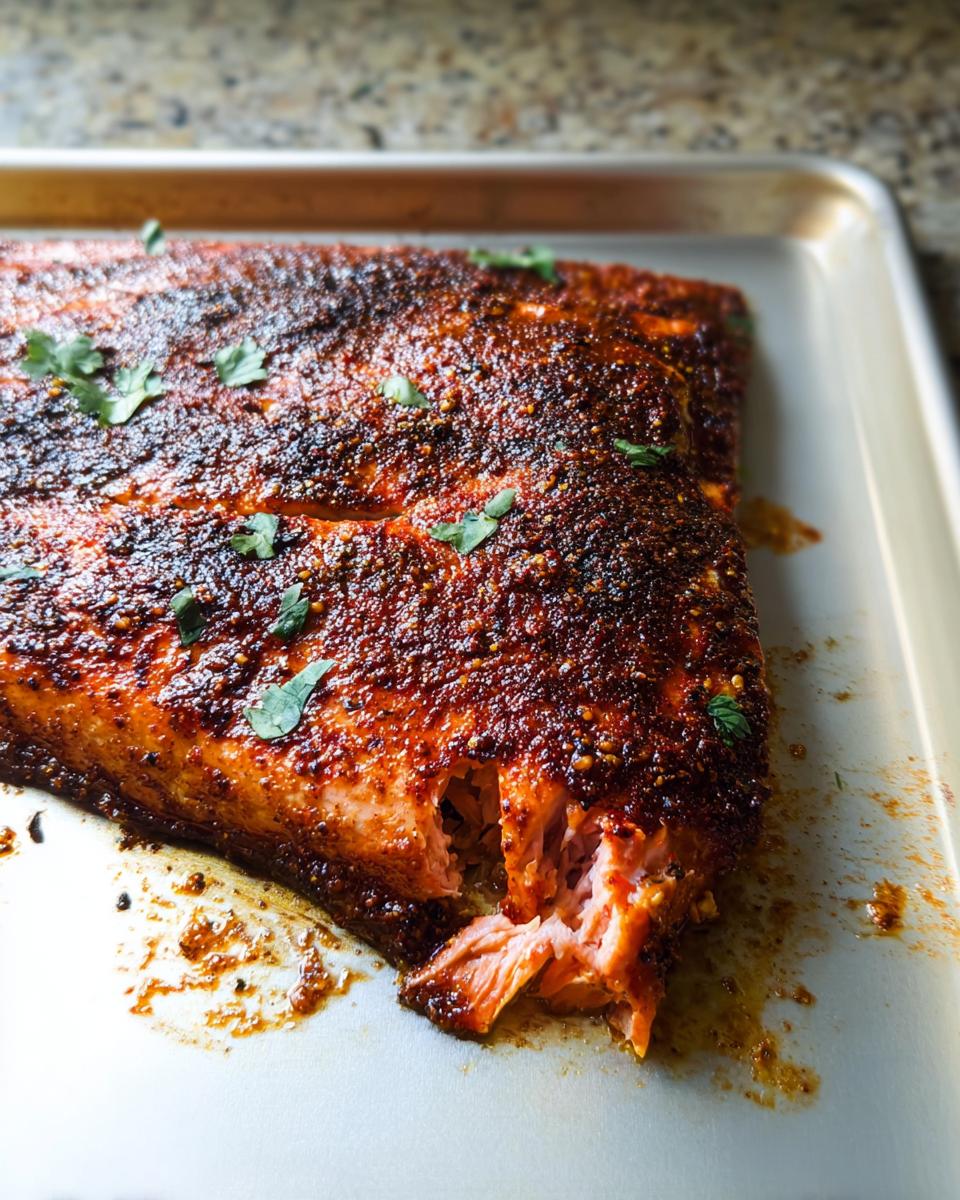
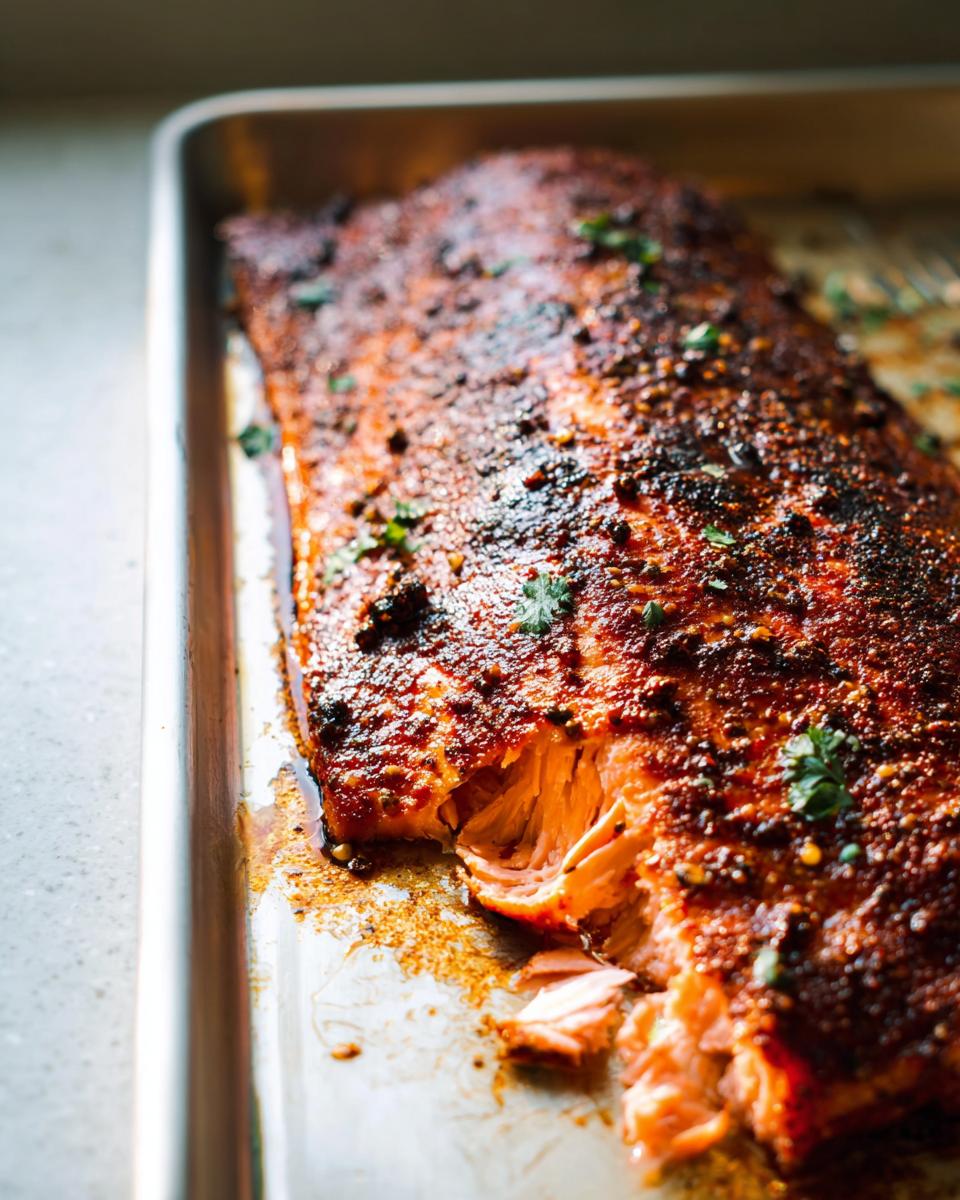
Time to prep the salmon fillet! Make sure it’s nice and dry – I usually pat it down with paper towels. Place it right there on your prepared baking sheet. Then, drizzle that olive oil all over the top and rub it in. Now, take your spice rub and sprinkle it generously all over the oiled salmon. Make sure it’s coated well, patting it down gently so it sticks.
Baking to Perfection
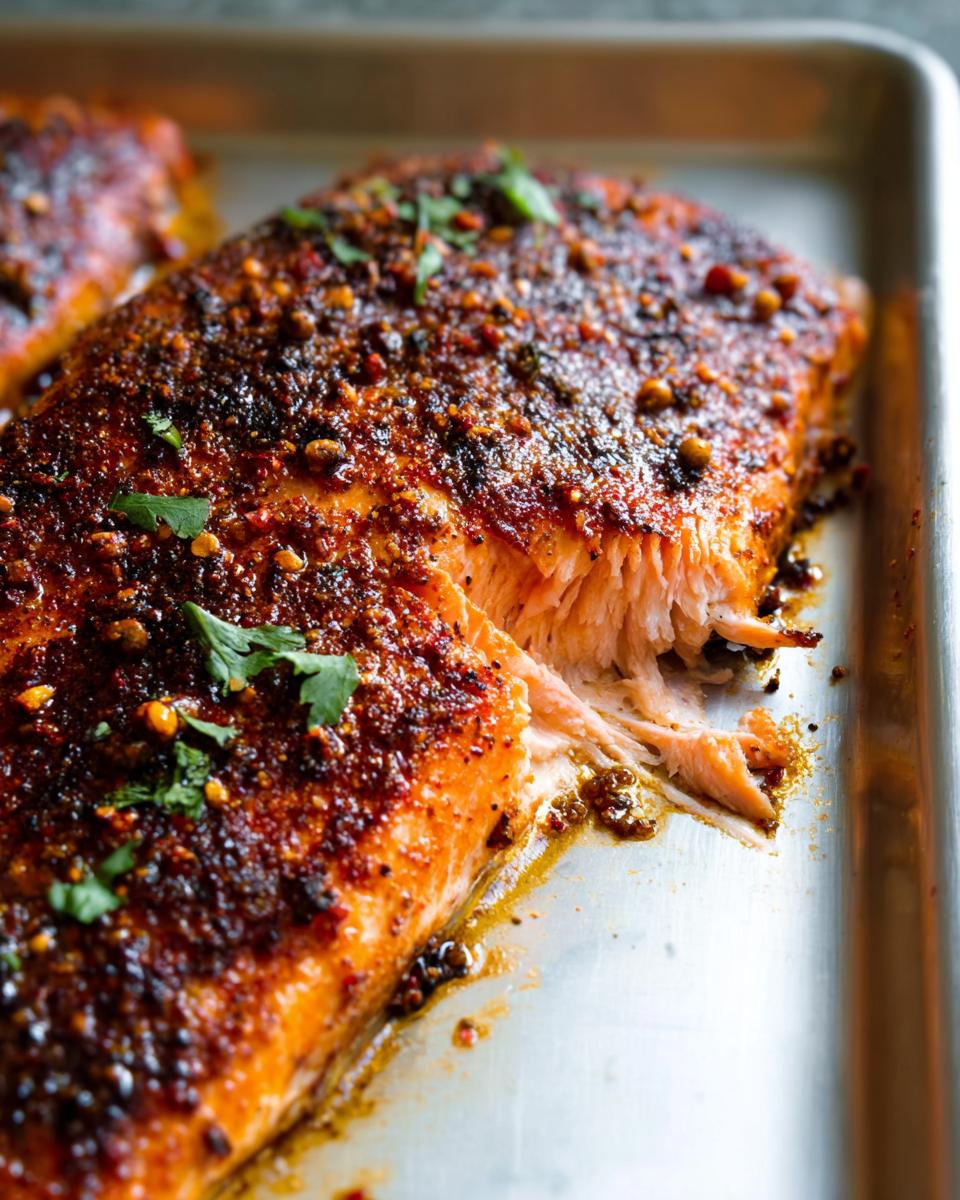
Into the oven it goes! Bake for about 12 to 15 minutes. The exact time can change depending on how thick your salmon fillet is, so keep an eye on it. You’ll know it’s ready when it flakes easily with a fork. Just gently poke it, and if it separates into lovely, moist pieces, you’ve nailed it! Oh, and don’t forget to serve it up right away!
Elevating Your Plate: Serving Suggestions
This beautifully spiced salmon is fantastic on its own, but serving it with the right companions really takes your meal to that pro level! We want to load up our plates with vibrant, delicious veggie sides that complement the richness of the fish. It’s all about balance and bringing out the best in every component. Thinking about what’s in season always leads to the freshest, most flavorful pairings, and honestly, it makes cooking feel so much more joyful and connected to nature! For endless inspiration, explore more recipes and browse through all our delicious categories.
Seasonal Vegetable Pairings
When it comes to picking your seasonal veggie sides, think about what’s looking best at the market! In spring and summer, asparagus spears roasted right alongside the salmon (they cook super fast!) are a dream. Or maybe some bright, crisp snap peas lightly sautéed with garlic. Come fall and winter, you can’t go wrong with root veggies! Think roasted Brussels sprouts with a little balsamic glaze, or chunks of sweet potato and parsnips caramelized in the oven. These seasonal veggies add color, texture, and fantastic flavors that just make the whole meal sing.
Tips for Success: How to Make Salmon Recipes Like a Pro (2025)
So, you’ve got the basics down, but you want to really nail How to Make Salmon Recipes Like a Pro (2025)? It’s all about those little tricks that make a dish truly outstanding. We’ve all had those moments where salmon comes out a *bit* too dry, right? Don’t worry, I’ve got you covered with some insider tips that’ll keep your salmon perfectly cooked every time. Think of these as the secrets to getting that restaurant-quality result right in your own kitchen! For more ideas on amazing cooking techniques, check out this guide.
Achieving Perfectly Flaky Salmon
The number one goal with salmon is that beautiful, flaky texture. The biggest mistake people make is overcooking it, which is why checking for doneness is so important. Instead of just relying on time, learn to look for those visual cues: the flesh should turn opaque, and you should see the flakes starting to separate slightly. If it still looks a *little* translucent in the very center, that’s often perfect because it will continue to cook as it rests. Also, make sure your oven is truly at temperature. A slightly cooler oven will cook the salmon slower, potentially drying it out before it’s done in the middle.
The Role of Resting Time
Just like a steak, salmon benefits from a little rest after it comes out of the oven. I know, tempting as it is to dive right in, give it just 3-5 minutes before you cut into it. This allows the juices to redistribute throughout the fillet. If you cut into it immediately, all those delicious, moist juices will run out onto the baking sheet, leaving you with drier fish. It’s a small step, but trust me, it makes a world of difference in that moist, tender texture you’re aiming for!
Dietary Considerations: Gluten-Free and Low-Carb Options
One of the best things about this salmon recipe is how naturally it fits into so many different eating plans! If you’re watching your carbs or avoiding gluten, you’re in luck. Our spice rub is already pretty fantastic for both. The brown sugar adds a touch of sweetness that caramelizes beautifully, but if you’re strictly low-carb, you can totally skip it or swap it for a sugar substitute. Trust me, the paprika, garlic, and salt still pack a huge flavor punch! For more info on low-carb and gluten-free eating, check out this guide, and don’t miss these lunch ideas!
Frequently Asked Questions About Salmon
Got questions about cooking salmon like a pro? I totally get it! It’s one of those things that seems simple, but there’s a little nuance that makes all the difference. Here are a few things folks often ask, and hopefully, these answers will give you even more confidence in the kitchen! For more quick meal ideas, check out these easy one-pot low-carb meals.
What is the best temperature for baking salmon?
For this recipe, we’re hitting 400°F (200°C), and it’s a great sweet spot for salmon. It gets those lovely caramelized bits from the rub without overcooking the fish too quickly. It really helps give you that perfectly flaky texture we’re after.
How do I know when my salmon is cooked?
The easiest way is the fork test! Gently poke the thickest part of the fillet with a fork. If it flakes apart easily and the center is opaque (no longer translucent), it’s done. It should look moist, not dry. Remember, it continues to cook a bit after you take it out, so pull it out when it’s *almost* perfectly done.
Can I use a different type of fish?
Absolutely! While this rub and method are fantastic for salmon, you can totally use it on other firm, flaky fish like cod, halibut, or even trout. Just keep in mind that cooking times might vary based on the thickness of the fish fillets. Thinner fish will cook faster, so keep a close eye on them!
Nutritional Snapshot
So, what are we looking at in terms of nutrition? This recipe is a real winner! For a serving, you’re looking at roughly 350 calories, with about 40 grams of protein – that’s fantastic for keeping you full and satisfied. There are only around 5 grams of carbs and 20 grams of healthy fats. And of course, it’s packed with good stuff like potassium. Just remember, these numbers are estimates and can change a bit based on your exact ingredients and portion sizes. For more on healthy eating plans, check out this guide!
Share Your Culinary Creations!
Now that you’ve learned how to make salmon recipes like a pro (2025), I can’t wait to hear all about your kitchen adventures! Did you try this recipe? How did it turn out? I love seeing your creations and hearing about your experiences. Please share your thoughts, tips, or any fun variations you came up with in the comments below! If you have any questions or just want to chat about cooking, feel free to reach out via my contact page!
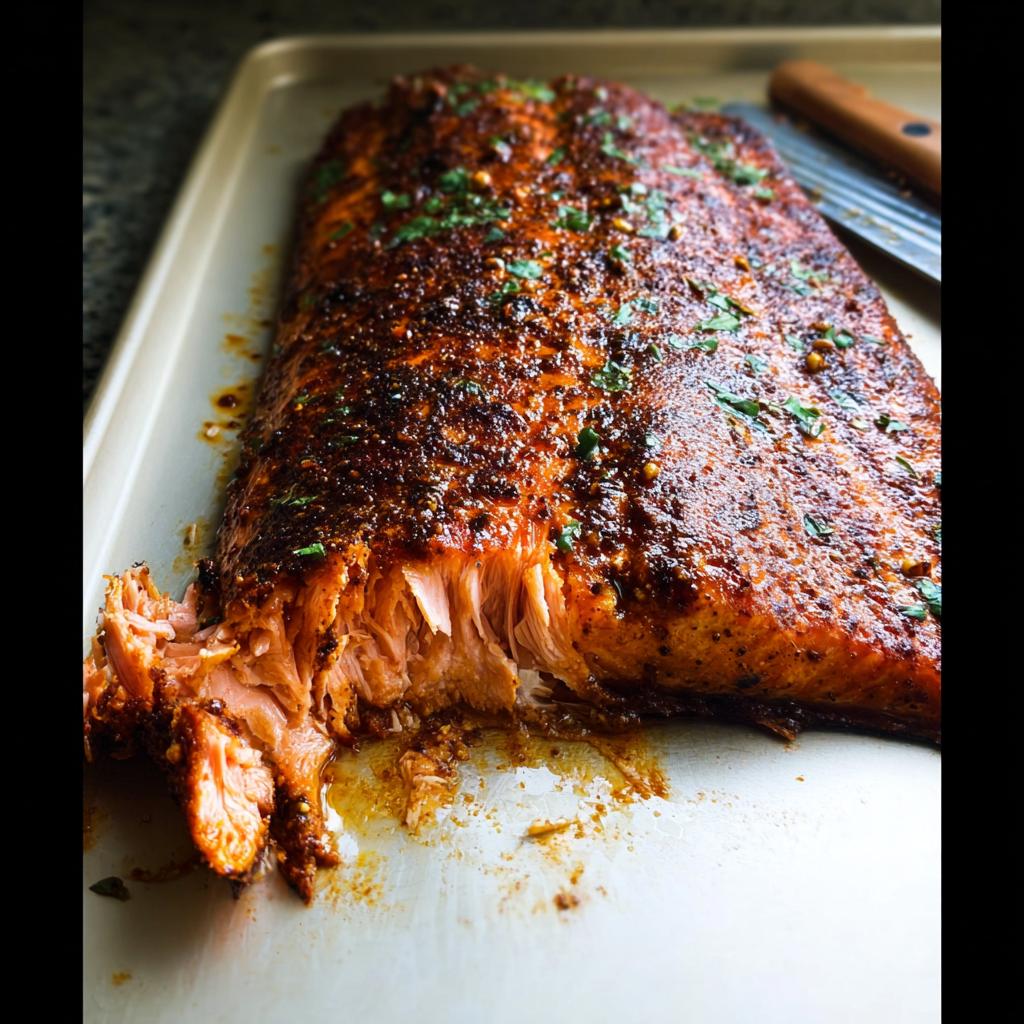
How to Make Salmon Recipes Like a Pro (2025)
Ingredients
Equipment
Method
- Preheat your oven to 400°F (200°C). Line a baking sheet with parchment paper.
- In a small bowl, combine the brown sugar, kosher salt, sweet paprika, garlic powder, and black pepper. Mix well.
- Pat the salmon fillet dry with paper towels. Place the salmon on the prepared baking sheet.
- Drizzle the salmon with olive oil and rub it evenly over the surface.
- Generously sprinkle the spice rub over the salmon, ensuring it is well coated.
- Bake for 12-15 minutes, or until the salmon is cooked through and flakes easily with a fork. Cooking time will vary depending on the thickness of the fillet.
- Serve immediately with your favorite seasonal vegetable sides.
Nutrition
Notes
Tried this recipe?
Let us know how it was!
Certified Nutritional Science Authority
The intersection of celiac disease and metabolic health fascinated me from my first dietetic internship. Watching patients struggle to find foods supporting both their autoimmune condition and weight goals launched my career mission: proving medically necessary diets can be nutritionally optimal.
For twelve years, I’ve specialized in gluten-free living while achieving metabolic health objectives. My published research demonstrates that properly planned gluten-free, low-carb eating provides superior nutrition compared to standard approaches.
The hidden trap? Most commercial gluten-free products are carb bombs – rice flour and potato starch masquerading as healthy alternatives. My frameworks avoid this completely, using nutrient-dense ingredients like almond flour and flaxseed that enhance rather than just replace.
Every recipe I review meets rigorous standards: adequate protein for metabolic support, healthy fats for satiety, proper fiber levels for digestive health – all maintaining strict gluten-free protocols for celiac management. I’ve guided over 500 individuals through this optimization process.
My personal gluten-free, low-carb lifestyle fuels my long-distance cycling and triathlon training – proof that these approaches deliver sustained energy and mental clarity. Medical necessity doesn’t mean nutritional compromise.