
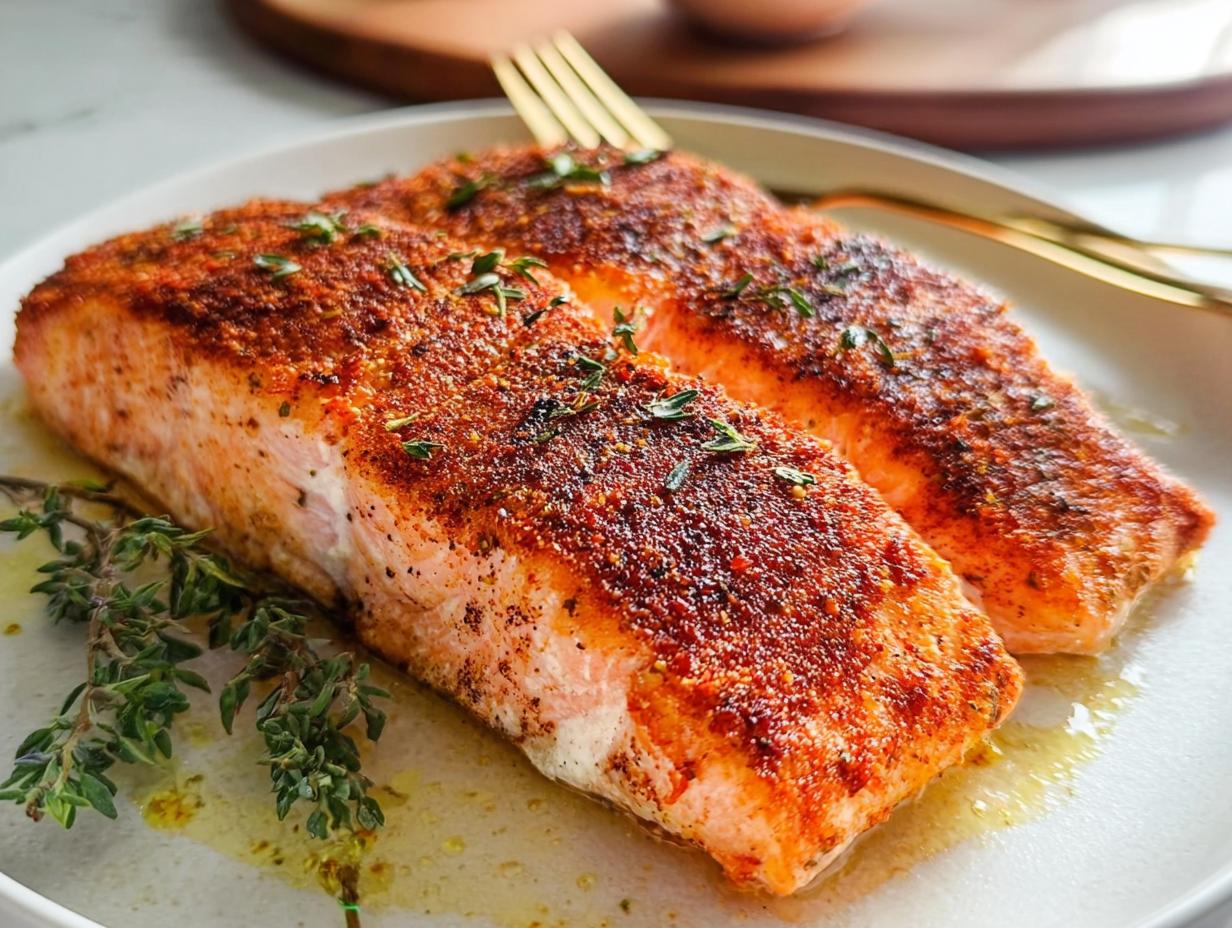
Okay, let’s be honest. Cooking fish, especially something like salmon, can feel a little intimidating at first, right? You worry about it drying out or that *fishy* smell. But trust me, I’ve been there! I remember my very first salmon dinner for friends—I was so nervous, but with one super simple recipe, it turned out amazing! That’s exactly why I put together The Ultimate Salmon Recipes Guide for Beginners. My goal is to show you just how easy and totally delicious cooking salmon can be. You’re going to love discovering how simple and rewarding it is to whip up fantastic salmon dishes.
Why This Easy Baked Salmon Recipe is Perfect for Beginners
Seriously, this baked salmon recipe is your new best friend for getting comfortable in the kitchen! It’s the absolute best starting point from The Ultimate Salmon Recipes Guide for Beginners because it’s just SO straightforward. We’re talking about a total of 20 minutes from start to finish—perfect for those busy weeknights when you want something healthy and yummy without a fuss. You only need a handful of ingredients, and trust me, it’s practically foolproof. Even if you’ve never cooked salmon before, you’ll feel like a pro after making this. It’s that simple to get delicious, flaky, perfectly seasoned salmon every single time. This recipe is designed to build your confidence and show you how incredibly easy it is to make amazing fish!
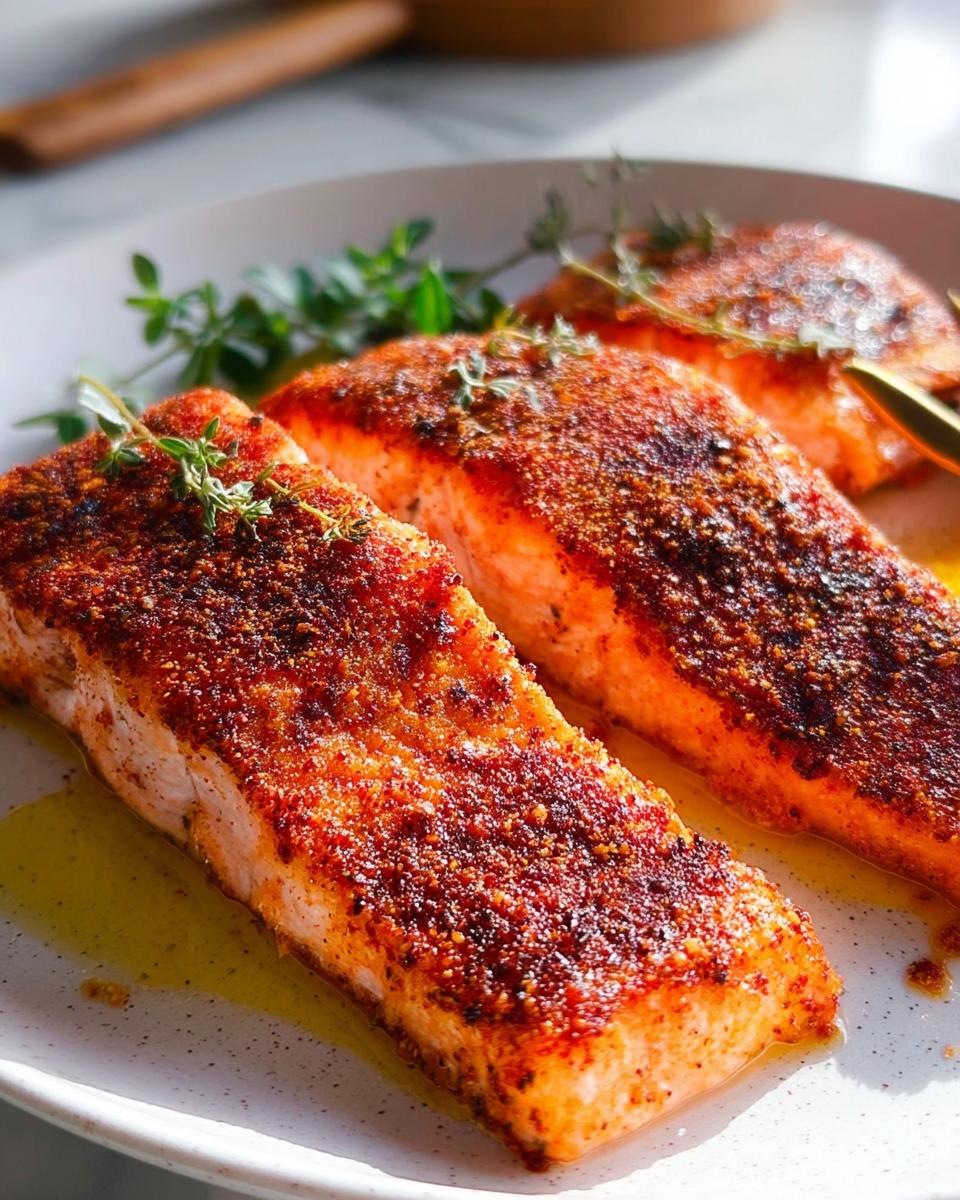
Gather Your Ingredients for The Ultimate Salmon Recipes Guide for Beginners
Alright, let’s get everything ready for our super simple baked salmon! Having all your ingredients handy makes the whole process a breeze. Here’s what you’ll need:
- 1.5 pounds salmon fillets (wild-caught is amazing if you can find it!)
- Olive oil (just enough to brush on)
- 1 teaspoon kosher salt
- 0.5 tablespoon brown sugar
- 1 teaspoon smoked paprika
- 1 teaspoon garlic powder
- 0.5 teaspoon onion powder
- 0.5 teaspoon dried thyme
- 0.25 teaspoon cumin
Make sure you have a little small bowl ready for mixing up our dry spices. That’s it! See? Super easy already!
Essential Equipment for Your First Salmon Recipe
Don’t worry, we’re keeping this super simple! You won’t need a whole fancy gadget collection for this beginner-friendly salmon adventure. Just grab your trusty oven, a basic baking sheet, some aluminum foil or parchment paper (whatever you have on hand!), and a little small bowl for mixing up those yummy spices. That’s literally all you need to get started. Easy peasy!
Step-by-Step Instructions: Mastering The Ultimate Salmon Recipes Guide for Beginners
Alright, let’s get this salmon party started! Following these steps will make sure you nail this recipe every single time. It’s really not complicated at all. Remember that primary keyword we’re talking about? This is where you really start to master The Ultimate Salmon Recipes Guide for Beginners.
Preheating and Prep
First things first, get that oven fired up to 400°F. While it’s heating, take your salmon fillets out of the fridge. Letting them sit for a few minutes to come to room temperature helps them cook more evenly. You don’t want one end overcooked and the other barely warm, right?
Preparing the Baking Sheet
Grab a baking sheet and lay down a nice big piece of aluminum foil or parchment paper. A little brush of olive oil over that foil or paper is key. It not only stops the salmon from sticking but also makes cleanup an absolute breeze. Who doesn’t love less washing up?
Seasoning the Salmon
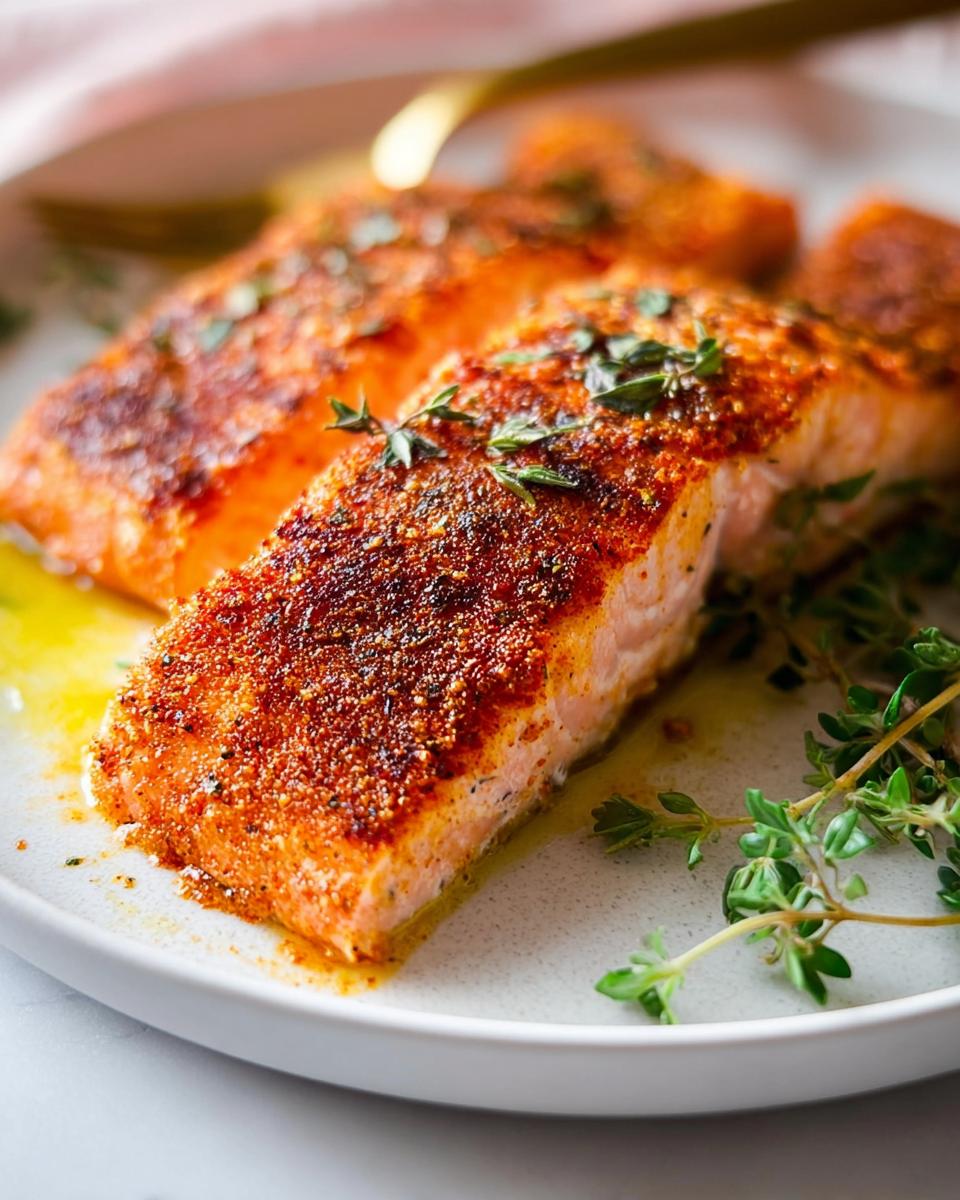
Now for the fun part! Gently pat each salmon fillet dry with a paper towel. This helps the oil and spices stick better. Brush them all over with a little olive oil, then sprinkle them generously with kosher salt. In a small bowl, mix up your brown sugar, smoked paprika, garlic powder, onion powder, dried thyme, and cumin. Just give it a quick stir to combine, then sprinkle this lovely mixture evenly over the top of each salmon fillet. Doesn’t that smell amazing already?
Baking to Perfection
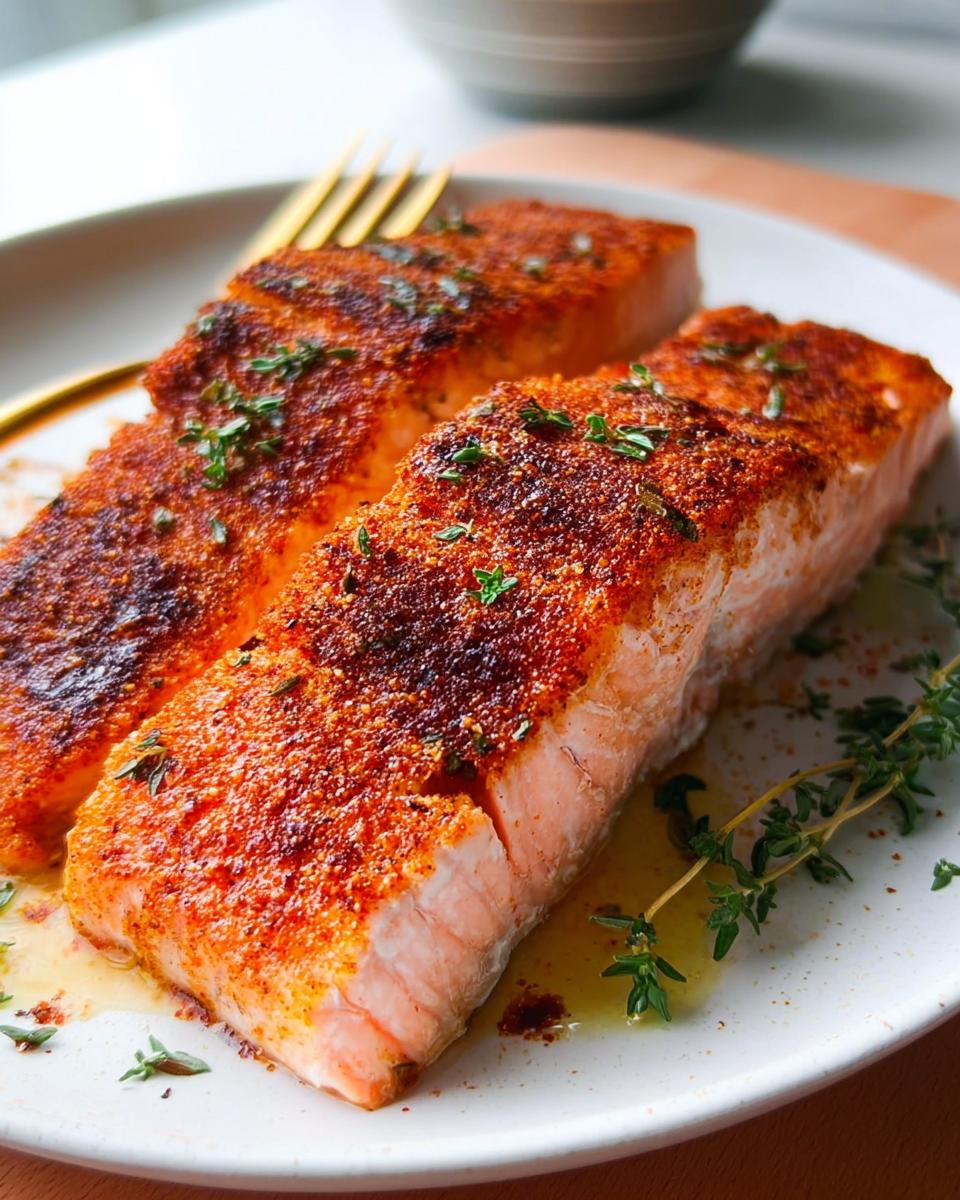
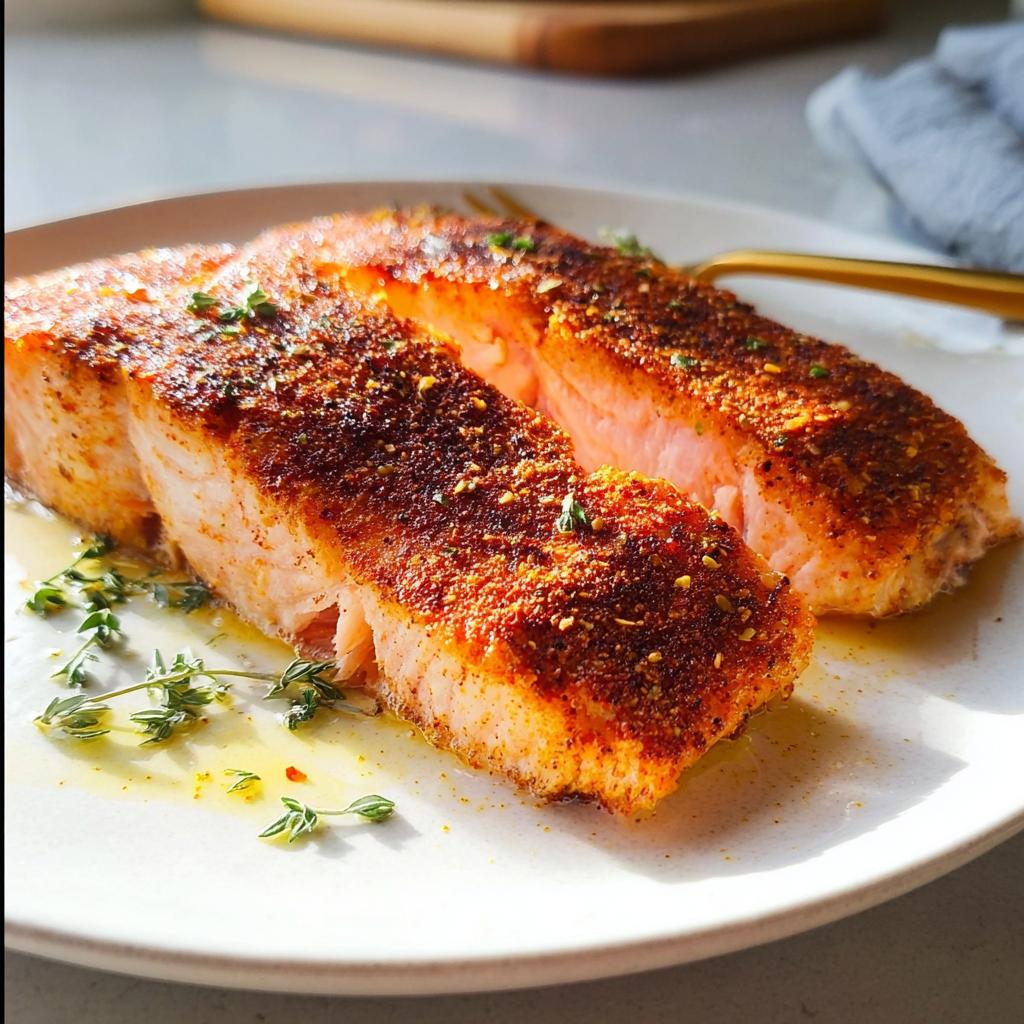
Pop that baking sheet into your hot oven. Bake for about 10 to 16 minutes. The exact time really depends on how thick your salmon fillets are. You’re looking for them to be just tender and still a pretty pink in the center. A nice 1-inch thick piece usually takes around 15 minutes. Want a little crispy top? For the last 2 minutes, you can switch your oven to broil. Keep a super close eye on it, though – broilers can go from ‘yum’ to ‘oops!’ really fast!
Tips for Success with The Ultimate Salmon Recipes Guide for Beginners
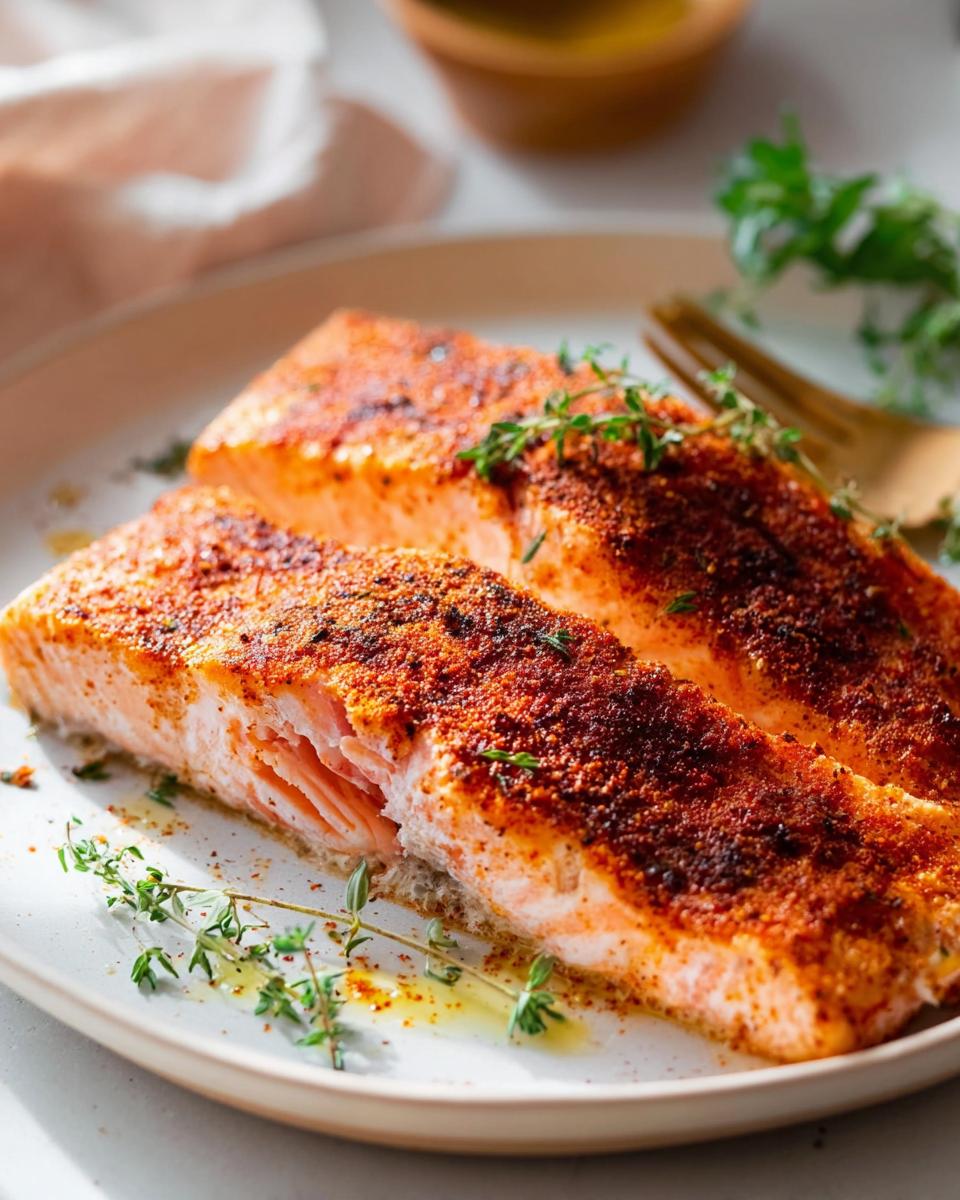
Okay, so you’ve got the recipe, but here are a few little secrets to make sure your salmon turns out *perfect* every single time. First off, please, please, please don’t overcook it! It’s the number one mistake beginners make. You want that beautiful, flaky texture, not dry, chalky fish. How do you tell if it’s done? It should flake easily with a fork when you gently press on the thickest part. If it still looks a little translucent or feels super firm, give it another minute or two. Also, using good quality salmon makes a difference – if you can get wild-caught, go for it!
Remember that note about optional brining? It’s a little extra step, but it seriously pumps up the moisture and flavor in your salmon. Just mix 4 cups of room-temperature water with 3 tablespoons of kosher salt and let the salmon chill in it for about 15 minutes while your oven heats up. It makes a world of difference! And for a finishing touch, a few fresh lemon slices on top before baking, or a squeeze of lemon juice right after it comes out, adds such a bright, fresh flavor that’s just divine with salmon.
Understanding Salmon’s Nutritional Benefits
Okay, so besides being super tasty and easy to cook, salmon is actually amazing for you! It’s packed with high-quality protein, which is great for keeping you full and building muscle. But the real star is its incredible amount of omega-3 fatty acids. These are like little superheroes for your body—they’re fantastic for your heart and brain health. Seriously, adding salmon to your diet a couple of times a week is such a smart move for staying healthy. It’s one of the easiest ways to give your body a serious nutrient boost without even trying! For more ideas on healthy eating plans, check out this guide.
Frequently Asked Questions About Beginner Salmon Recipes
Got questions about cooking salmon? Totally normal! Here are a few things beginner cooks often wonder about when diving into recipes like this!
Can I use frozen salmon fillets?
You sure can! The best way is to thaw them overnight in the fridge. If you’re in a rush, you can pop them in a sealed bag and submerge them in a bowl of cold water for about 20-30 minutes until they’re mostly thawed. Pat them dry really well before seasoning and cooking, just like fresh salmon!
What are good substitutes for smoked paprika?
No smoked paprika? No problem! Regular sweet paprika is a fine substitute, though it won’t give you that lovely smoky depth. For a little kick and color, you could also try a tiny pinch of cayenne pepper mixed with regular paprika. It won’t be quite the same, but it’ll still be delicious!
How do I know if my salmon is cooked through?
The easiest way is the “flake test”! Gently insert a fork into the thickest part of the fillet and twist slightly. If it flakes apart easily and looks opaque pink inside, it’s ready! It should also feel slightly firm to the touch, not mushy or raw-looking. And remember, always watch it closely near the end of the cooking time!
Serving Suggestions for Your Baked Salmon
Now that you’ve mastered your first baked salmon, what do you serve it with? Don’t worry, we’re keeping it simple and delicious here too! This flaky salmon is amazing with a light, fresh salad – maybe something with a lemon vinaigrette? Or, toss some easy roasted veggies like broccoli or asparagus on a separate tray in the oven while the salmon is baking. For a heartier meal, some fluffy quinoa or even some trusty brown rice works perfectly. Need more easy meal ideas? Check out these one-pot wonders or these grab-and-go lunch ideas – you might find a side dish you love!
Storing and Reheating Your Baked Salmon
So, you might have a little leftover baked salmon (lucky you!). Don’t let it go to waste! To store it, pop any extra salmon into an airtight container or wrap it tightly with plastic wrap. Pop that into the fridge, and it should be good for up to 2 days. When you’re ready to reheat, try to keep it gentle so it doesn’t dry out! The best way is to use a low oven setting (around 275°F) for a few minutes, or you can even flake it into a salad or pasta dish without reheating at all. Microwaving works, but give it just short bursts and check often!
Estimated Nutritional Information
Just so you know what you’re getting with this delicious baked salmon, here’s a rough idea of the nutrition per serving as part of our guide. Keep in mind these numbers can wiggle a bit depending on your exact ingredients and the thickness of your fillet, but it gives you a great starting point! It’s packed with lean protein and healthy fats. For more info on healthy eating, check out this low-carb meal plan guide!
Share Your Culinary Journey!
So, how did your first salmon adventure go? Did you try this easy baked salmon recipe? I’d absolutely LOVE to hear all about it! Please drop a comment below and let me know how it turned out, or even better, share a picture of your beautiful creation with me on social media. If you’ve got any lingering questions, don’t hesitate to reach out via the contact page. Happy cooking!
Easy Baked Salmon Recipe
Ingredients
Equipment
Method
- Preheat oven to 400°F. Allow the salmon to come to room temperature.
- Place a large sheet of aluminum foil or parchment paper on a baking sheet and brush it with olive oil.
- Pat each piece of salmon dry and place it on the foil skin side down. Brush with olive oil and sprinkle with kosher salt.
- Mix the brown sugar, paprika, garlic powder, onion powder, thyme, and cumin in a small bowl, then sprinkle the mixture evenly over the salmon fillets.
- Bake the salmon for 10 to 16 minutes, depending on thickness, until just tender and pink at the center. A 1-inch thick fillet should cook in about 15 minutes total. For a crispy top, broil for about 2 minutes during the last 2 minutes of cooking.
Notes
Tried this recipe?
Let us know how it was!
Certified Gluten-Free Culinary Master
Everything changed in 2017 when I received my celiac diagnosis. After ten years as a traditional pastry chef creating elaborate wedding cakes and French pastries, I suddenly couldn’t even taste my own work. It felt like the end of my culinary world.
Instead, it became my greatest challenge. I had to completely relearn baking – understanding how gluten-free flours behave differently, how they bind, how they absorb moisture. Adding the low-carb requirement? That was like solving a puzzle with half the pieces missing.
My breakthrough came with what I now call my “foundation flour blend system” – different combinations that seamlessly replace wheat flour while maintaining low-carb macros. These techniques have been adopted by culinary schools and have helped countless bakers who thought their favorite treats were gone forever.
That first successful batch of gluten-free, low-carb chocolate chip cookies? Watching my husband close his eyes and smile told me I’d found my true calling. Now, with over 300 tested recipes, I prove daily that dietary restrictions don’t mean culinary limitations.
When I’m not experimenting in my Austin test kitchen, I’m teaching weekend workshops or tending my herb garden with Biscuit, my rescue beagle who’s become an expert at detecting oven timers.