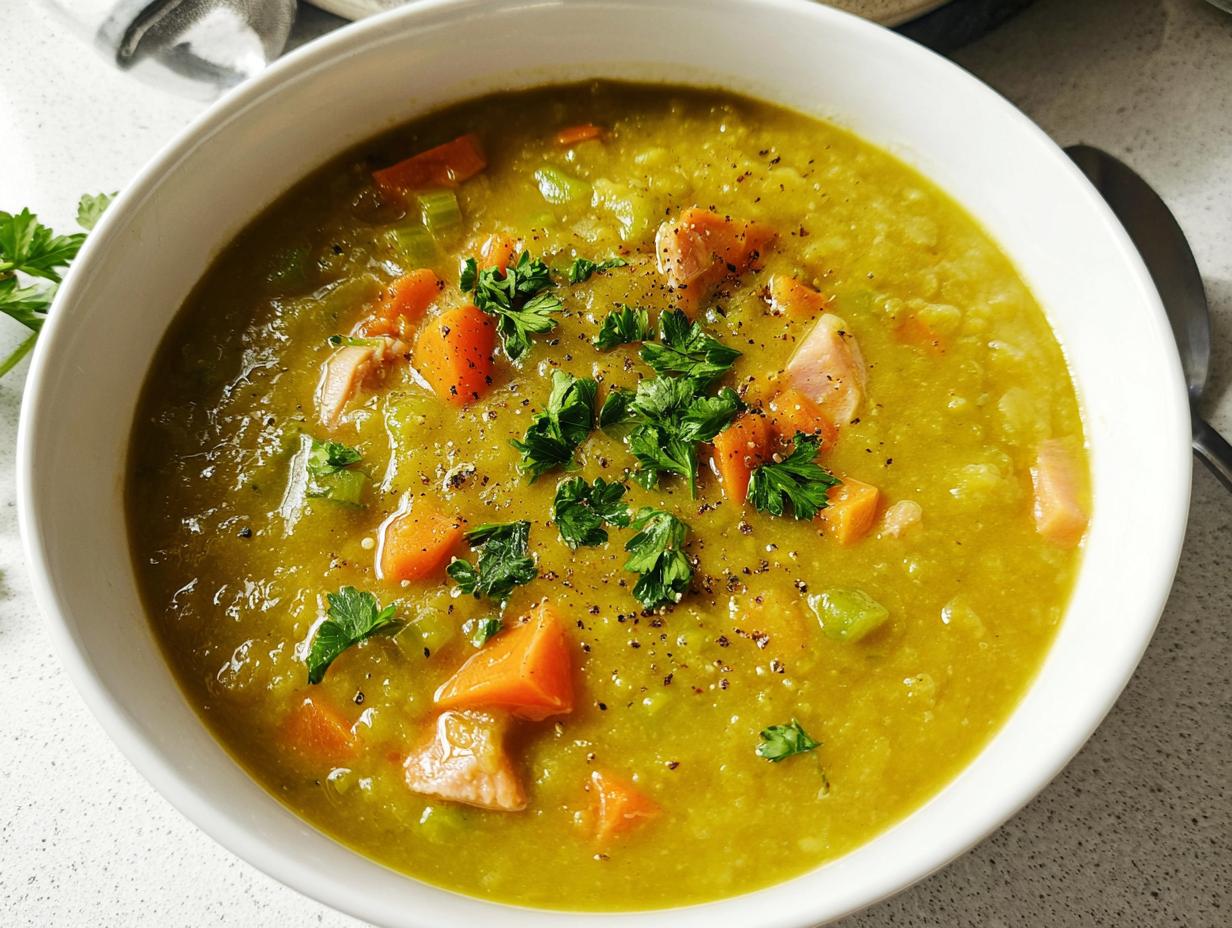
You know, there’s something truly magical about a well-made soup. It’s like a warm hug in a bowl! For the longest time, I thought soup making was just… well, simple. I was a pastry chef, all about delicate cakes and fancy mousses, but one chilly afternoon, rummaging through my pantry, I had an epiphany. I had the makings for a hearty soup! That first batch, born from a little experimentation and a lot of love, wasn’t just satisfying; it filled my home with the most amazing aroma and ignited a whole new passion. Now, I’m so excited to share how you can learn How to Make Soup Recipes Like a Pro (2025), focusing on fantastic flavor, clever techniques, and delicious, healthy dishes. It’s about turning simple ingredients into something truly special, and trust me, it’s easier than you think! You can learn more about my journey and why I love teaching this craft.
Mastering the Fundamentals: How to Make Soup Recipes Like a Pro (2025)
Alright, let’s dive into what really makes a soup sing! It’s all about building those layers of flavor from the get-go. You can have the best recipe in the world, but if you skip the basics, it just won’t have that *oomph*. Trust me, I’ve learned this through countless bowls of soup! Seriously, learning How to Make Soup Recipes Like a Pro (2025) starts with understanding how to coax incredible taste out of simple ingredients. We’re talking quality stuff here, along with a little technique that makes all the difference. It’s not complicated, but it’s crucial!
The Art of the Base: Aromatics and Sautéing
This is where the magic starts, folks! Think of your onion, carrots, and celery – that classic trio, often called a mirepoix – as the unsung heroes of your soup. You don’t just toss them in; you want to give ’em a gentle sauté. Get your pot warm with a little oil, then add these veggies. You’re not trying to brown them like you would for a roast; you want to soften them up, coax out their natural sweetness, and really let them meld together. This step is key to making your soup taste rich and deeply flavored!
Choosing Your Liquid Gold: Broth vs. Stock
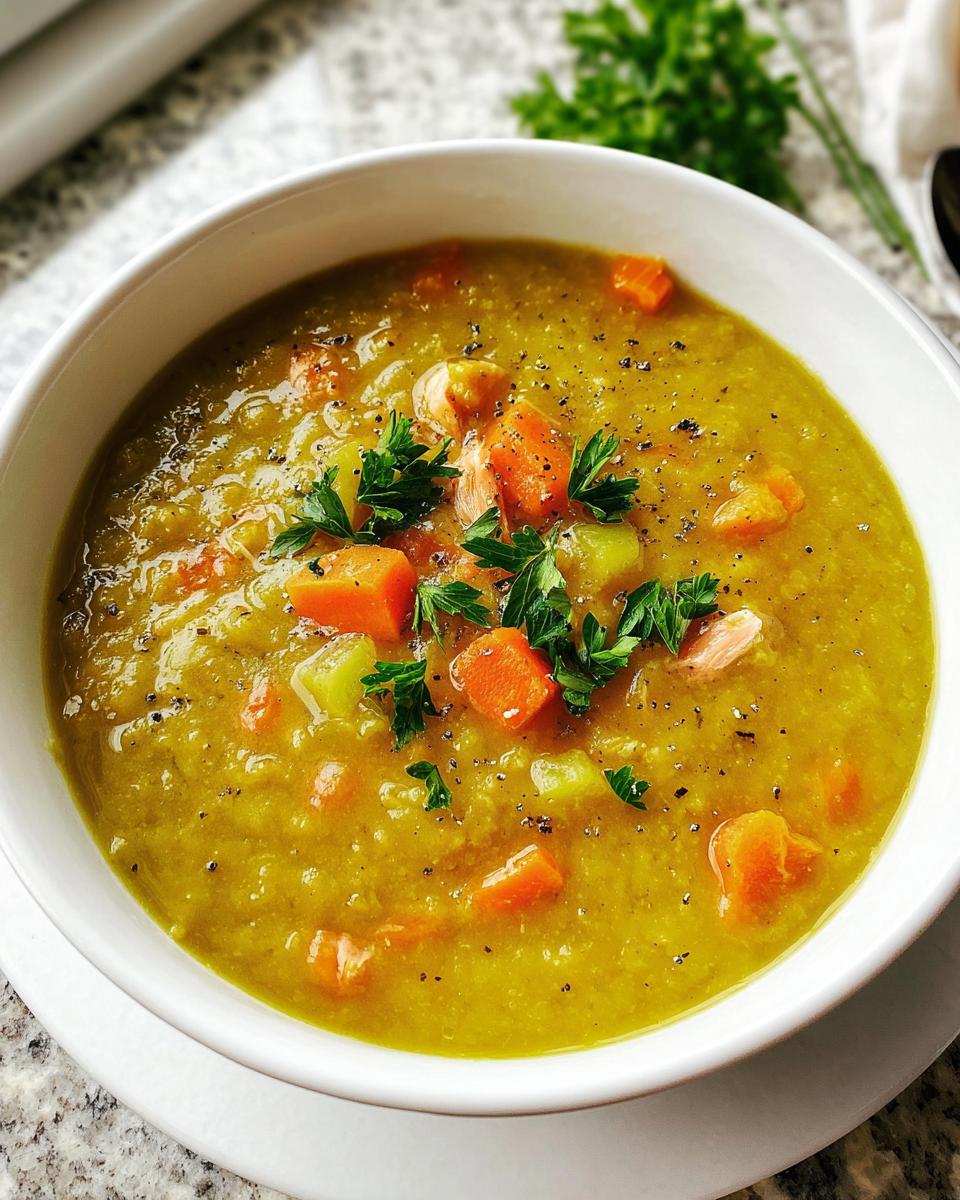
Okay, so what are you going to bathe all those lovely ingredients in? Broth or stock? They sound similar, but they’re not quite the same, and it totally matters for your soup! Stock is usually made by simmering bones, which gives it a richer body and more collagen – great for heartier, thicker soups. Broth is typically made with meat and vegetables and has a lighter, more delicate flavor. For split pea soup, a good quality, low-sodium chicken broth is usually my go-to because it adds a nice depth without being overpowering. Always taste your broth first; a bland broth makes for a bland soup!
Hearty Split Pea Soup: A Pro’s Approach
Now, let’s put some of these pro techniques into action with a recipe that’s pure comfort in a bowl: my Hearty Split Pea Soup! This isn’t just any split pea soup; we’re using all the tricks to make it incredibly flavorful and super satisfying. It’s proof that learning How to Make Soup Recipes Like a Pro (2025) can result in dishes that are both healthy and incredibly delicious. It’s the kind of meal that warms you from the inside out, perfect for a chilly evening or just when you need a little culinary hug. You can find tons of other amazing recipes here, but this one is a true gem! For more inspiration, check out these 20 best soup recipes!
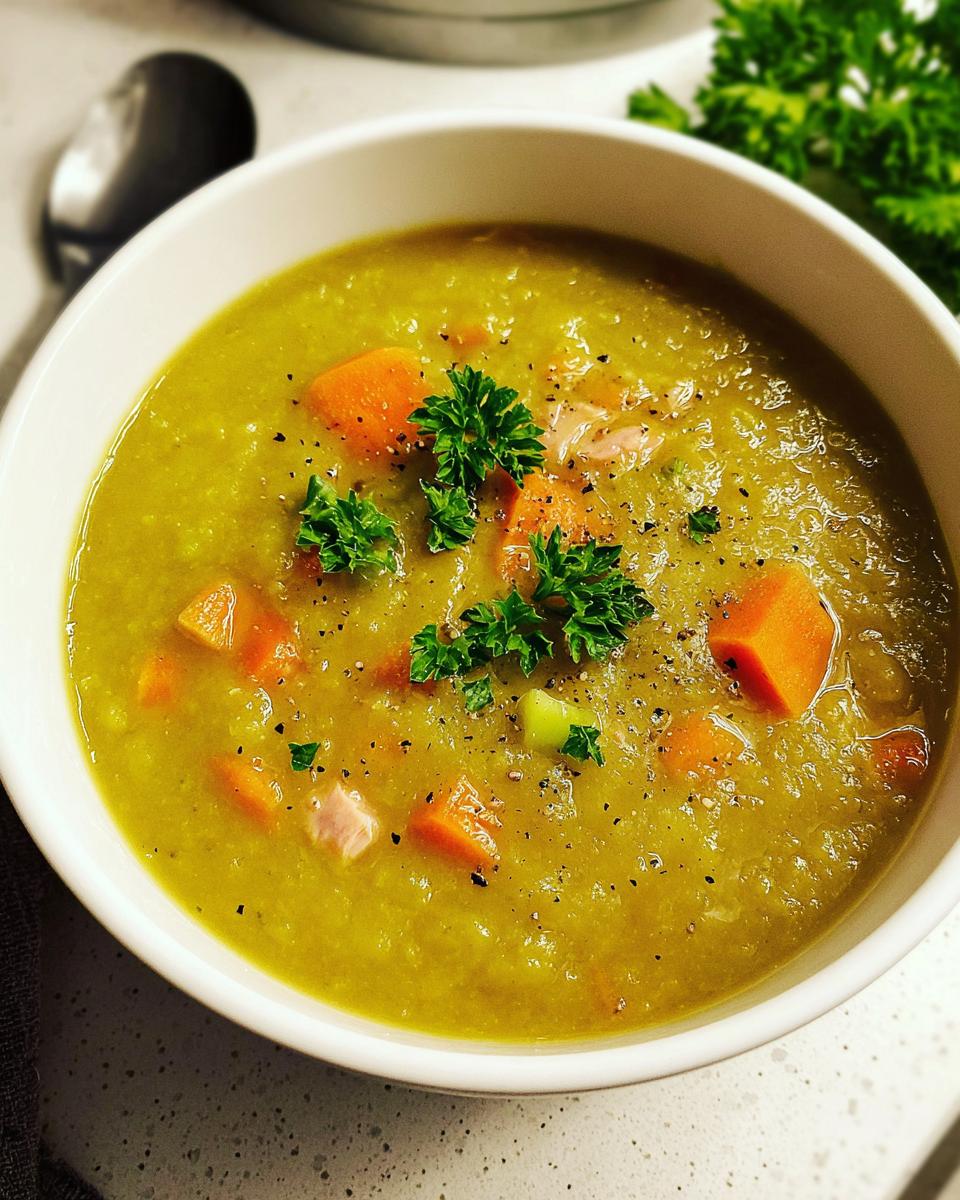
Ingredients for a Flavorful Split Pea Soup
Okay, grab your apron, because here’s what you’ll need to make this amazing soup! Don’t worry if it looks like a lot, it all comes together beautifully. Trust me on this!
- 2 tablespoons extra-virgin olive oil
- 1 medium onion, diced
- 3 carrots, diced
- 3 ribs celery, diced
- 2 cloves garlic, minced
- 1 pound dried split peas, rinsed
- 1/2 teaspoon dried thyme
- 1/2 teaspoon kosher salt
- 1/2 teaspoon freshly ground black pepper
- 1 bay leaf
- 1 meaty ham bone
- 4 cups low-sodium chicken broth
- 3 to 4 cups water
- 1 cup diced ham (from ham bone or added separately)
- For Garnish: finely chopped fresh parsley
Step-by-Step Guide: How to Make Split Pea Soup Like a Pro
Alright, let’s get cooking! This is where the magic happens, and you’ll see how easy it is to tap into those pro secrets. Follow along, and you’ll be a split pea soup superstar in no time. This recipe really shows you How to Make Soup Recipes Like a Pro (2025), step by delicious step.
First things first, grab a big pot or a Dutch oven. Heat up that olive oil over medium-high heat – just nice and warm. Toss in your diced onion, carrots, and celery. Give them a good sauté for about 3 to 4 minutes. You want them to start softening up and smelling amazing. Then, add your minced garlic and cook for just another minute until it’s super fragrant. Don’t let it burn!
Next, in go the rinsed split peas, dried thyme, salt, and pepper. Give everything a good stir to get those flavors mingling. Pour in the bay leaf, that glorious ham bone, your chicken broth, and 3 cups of water. Bring this whole party to a boil, then immediately turn the heat down to a gentle simmer. Pop on the lid and let it cook for about 50 to 60 minutes. Stir it now and then to make sure nothing sticks, and watch as the peas start to break down and thicken the soup.
Once the peas are tender, carefully use your tongs to fish out the ham bone. Set it aside on a cutting board for a moment. You’ll want to shred or dice all that tasty meat clinging to it – aim for about a cup of diced ham. Add that delicious ham right back into the soup pot. Now, let it simmer uncovered for another 5 to 15 minutes. This is your chance to get the consistency just right. If it’s too thick, just add that extra cup of water. Remember, this soup really thickens up as it sits and cools, so don’t overdo it!
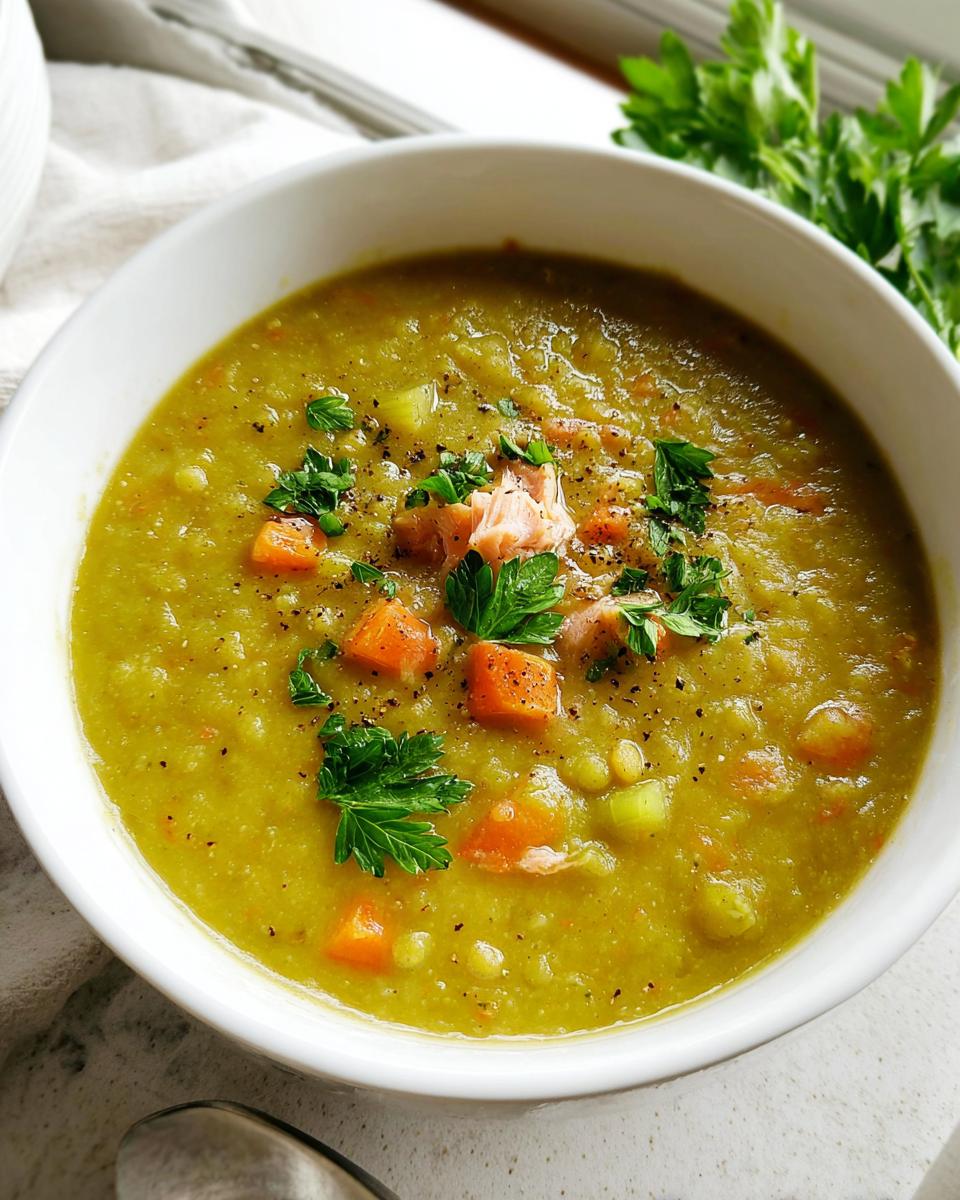
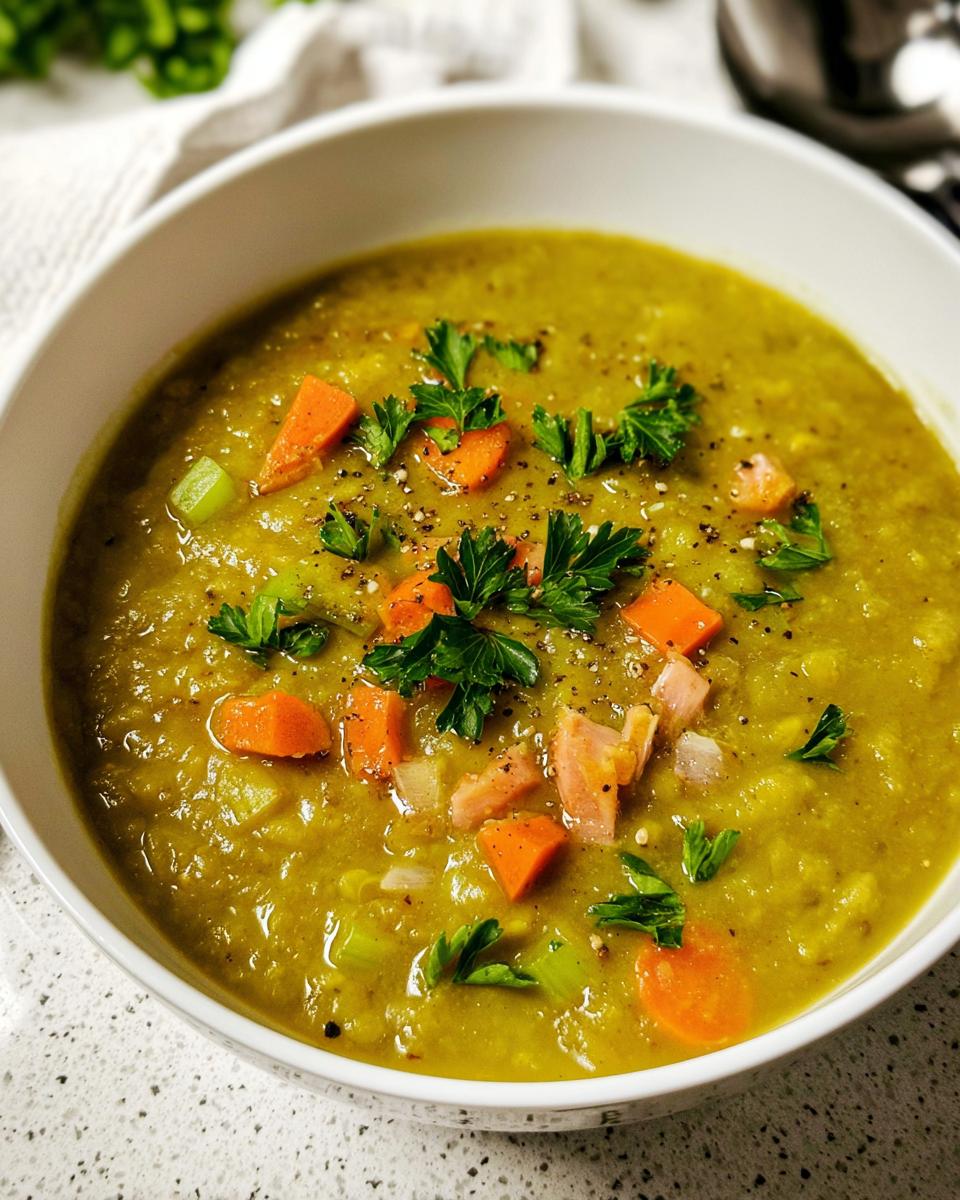
Before you serve, don’t forget to pull out that bay leaf – nobody wants to chew on that! Ladle your gorgeous, hearty split pea soup into bowls. A sprinkle of fresh parsley on top adds a pop of color and freshness. And that’s it! You just made a pro-level soup that’ll impress everyone!
Elevating Your Soup Game: Pro Tips for 2025
Okay, you’ve mastered the basics and made a killer split pea soup. Now what? Let’s talk about taking your soup game to the next level, because learning How to Make Soup Recipes Like a Pro (2025) is an ongoing adventure! These are the little nudges and techniques that separate a good soup from an absolutely unforgettable one. Think of these as your secret weapons, things I always use in my kitchen to make sure every spoonful is just perfect. You can always find more quick gluten-free lunch ideas here that also pack a flavor punch!
Seasoning Secrets: Salt, Pepper, and Beyond
Seriously, tasting and adjusting seasoning is NON-NEGOTIABLE! Don’t just add salt and pepper at the beginning and forget about it. Taste your soup at different stages. Is it missing something? Maybe it needs a little more salt to make the flavors pop. Sometimes, a tiny splash of lemon juice or a drizzle of vinegar right at the end can totally brighten everything up – it’s like giving your soup a wake-up call! Fresh herbs, like a bit of parsley or thyme, stirred in right before serving also add an amazing burst of freshness. Don’t be afraid to experiment!
Texture Tricks: Achieving the Perfect Consistency
A soup that’s just right texturally is a game-changer. If your soup is looking a little thin, don’t panic! You can always thicken it up. My favorite trick? Ladle out a cup or two of the soup, blend it until smooth (carefully!), and stir it back in. This adds body and creaminess without needing flour. Another way is a simple roux (that’s butter and flour cooked together) or even just simmering it longer uncovered. And remember what I said about split pea soup thickening as it cools? That applies to many soups – you can always add a little water or broth when reheating to get it back to your perfect consistency!
Serving and Storing Your Pro-Level Soups
Now that you’ve made this amazing soup, let’s talk about making it look and taste its absolute best when you serve it, and how to keep those leftovers tasting just as good! It’s that final polish that really makes your home cooking shine. You want your soup to be a showstopper, right? We’ve got some super simple tricks up our sleeves. For more ideas on keeping meals fresh, check out these easy gluten-free lunch box ideas!
Garnishes That Impress
Presentation is everything, even with soup! A sprinkle of fresh parsley is classic for a reason – it adds a burst of color and a hint of freshness that makes the soup pop. But why stop there? A little swirl of cream or a dollop of sour cream can add decadent richness. Crispy homemade croutons give a wonderful crunch, and a sprinkle of your favorite cheese? Yes, please! These little touches aren’t just for looks; they add extra layers of flavor and texture that take your soup from good to *wow*!
Storing and Reheating Split Pea Soup
Leftovers are the best, aren’t they? For split pea soup, store it in an airtight container in the fridge for up to 3-4 days. Now, remember how I said it thickens as it cools? That’s totally normal! When you reheat it, just add a splash of water or chicken broth to get it back to your perfect soup consistency. If you’re freezing it, let it cool completely first, then pop it in a freezer-safe container. It’ll last for a couple of months, and then you can just thaw it in the fridge overnight and reheat gently on the stove.
Frequently Asked Questions About Making Soup
Got soup questions? I’ve got answers! It’s like checking in with a friend to make sure everything’s just right. We want your soup-making adventures to be smooth sailing, so let’s tackle a few common things. If you ever have more questions, feel free to reach out!
Can I make this split pea soup recipe vegetarian?
Absolutely! To make this vegetarian, just skip the ham bone and diced ham. Use a really good vegetable broth and maybe add a smoked paprika for a bit of that smoky depth. It’ll still be totally delicious and hearty!
How can I make my soup thicker without adding flour?
Oh, this is an easy one! Besides pureeing some of the soup itself, you can try adding a little cornstarch slurry (cornstarch mixed with cold water) and simmering it in. Some blended white beans or even a baked potato mashed in can also thicken things up beautifully without any flour. Easy peasy!
What are good side dishes for split pea soup?
Split pea soup is fantastic for dinner and goes great with crusty bread, of course! For a lighter or healthier option, how about some simple green salad or maybe some quick one-pot low carb meals? Even a side of steamed rice or a simple rice bowl works wonderfully!
Nutritional Snapshot of Hearty Split Pea Soup
Just a heads-up, this is an estimate, and what you get can change a bit depending on exact ingredients and portions. But roughly, a hearty bowl of this split pea soup comes in around 397 calories. You’re looking at about 30 grams of protein, which is fantastic, and around 53 grams of carbs. Fat-wise, it’s pretty lean at about 8 grams. It’s a really satisfying and healthy meal, packed with good stuff!
Share Your Soup Creations!
Alright, my fellow soup lovers, you’ve got the secrets now! Give this Hearty Split Pea Soup a whirl, and I’d absolutely adore hearing all about it. Did it turn out amazing? What did you tweak? Drop your thoughts, tips, or star ratings in the comments below. And don’t forget to check out our terms!
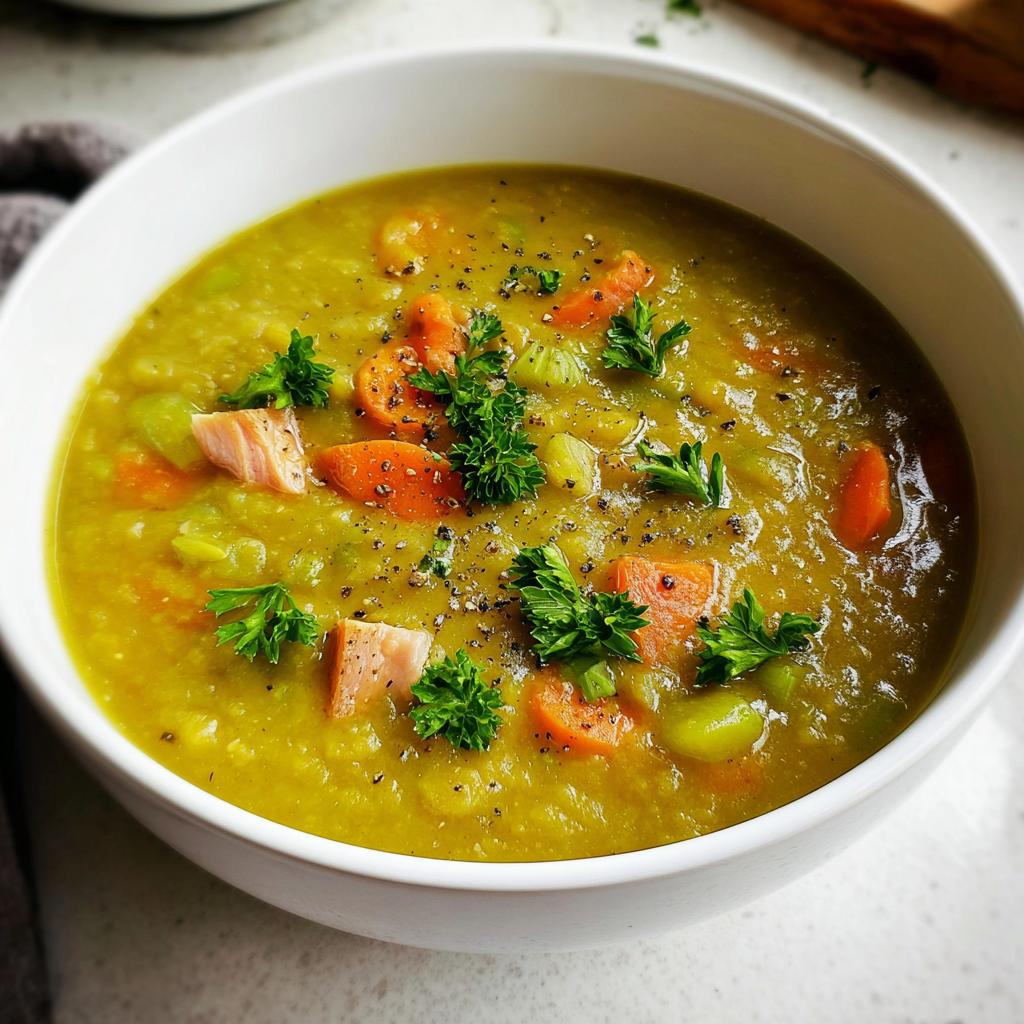
Hearty Split Pea Soup
Ingredients
Equipment
Method
- Heat the oil in a large pot or Dutch oven over medium-high heat. Add the onion, carrots, and celery, and saute for 3 to 4 minutes. Then add the garlic and saute for another minute.
- Add the split peas, thyme, salt, and pepper. Stir together.
- Add the bay leaf, ham bone, chicken broth, and 3 cups of water. Bring to a boil, reduce the heat to a simmer, cover, and cook for 50 to 60 minutes, stirring occasionally, until the soup has thickened and the peas have broken down.
- Using tongs, remove the ham bone to a cutting board and dice the remaining meat (about 1 cup of diced ham), then add it back to the soup. Stir and simmer uncovered for an additional 5 to 15 minutes, or until it’s thickened to your liking. If it’s too thick, you can add another cup of water. The soup will continue to thicken as it sits.
- Discard the bay leaf, ladle the soup into bowls, and garnish with finely chopped fresh parsley and black pepper.
Nutrition
Notes
Tried this recipe?
Let us know how it was!
Certified Gluten-Free Culinary Master
Everything changed in 2017 when I received my celiac diagnosis. After ten years as a traditional pastry chef creating elaborate wedding cakes and French pastries, I suddenly couldn’t even taste my own work. It felt like the end of my culinary world.
Instead, it became my greatest challenge. I had to completely relearn baking – understanding how gluten-free flours behave differently, how they bind, how they absorb moisture. Adding the low-carb requirement? That was like solving a puzzle with half the pieces missing.
My breakthrough came with what I now call my “foundation flour blend system” – different combinations that seamlessly replace wheat flour while maintaining low-carb macros. These techniques have been adopted by culinary schools and have helped countless bakers who thought their favorite treats were gone forever.
That first successful batch of gluten-free, low-carb chocolate chip cookies? Watching my husband close his eyes and smile told me I’d found my true calling. Now, with over 300 tested recipes, I prove daily that dietary restrictions don’t mean culinary limitations.
When I’m not experimenting in my Austin test kitchen, I’m teaching weekend workshops or tending my herb garden with Biscuit, my rescue beagle who’s become an expert at detecting oven timers.