
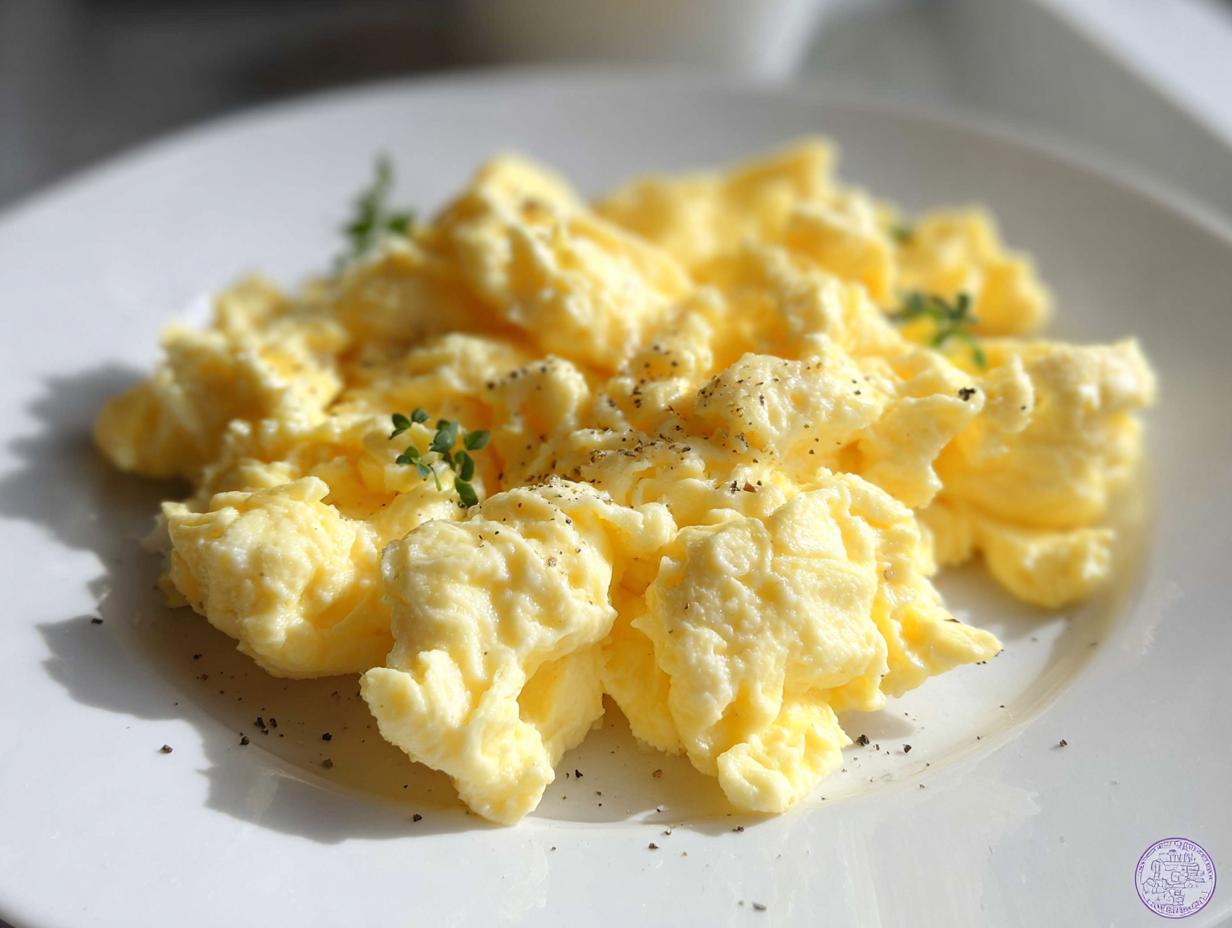
Eggs! They’re the ultimate kitchen chameleon, aren’t they? From a quick breakfast to a fancy brunch, they can do it all. If you’ve ever wondered how to truly master those eggy creations and make them shine, you’re in the right place. Learning How to Make Egg Recipes Like a Pro (2025) is all about understanding a few key techniques and respecting those incredible ingredients. I remember my own struggles way back when I was starting out, trying to make the perfect omelet for my family. After a few… interesting… attempts that turned into scrambled eggs, that moment when I finally flipped a golden omelet onto the plate? Pure magic! It fueled my passion, and now I want to share that same confidence with you, no matter your skill level. Get ready to elevate your egg game!
Why Eggs Are a Culinary Powerhouse
Seriously, eggs are just amazing! They’re one of those fundamental ingredients that make so many dishes possible. Think about it: scrambled, fried, poached, baked – they’re the backbone of breakfast, a quick dinner hero, and they even help bind cakes and thicken sauces. Plus, they’re packed with good stuff like protein and essential vitamins, making them a healthy choice too. What other single ingredient can be so simple yet so incredibly versatile? They really are the unsung heroes of the kitchen, ready to transform into almost anything you can dream up.
Mastering the Basics: How to Make Egg Recipes Like a Pro (2025)
Alright, let’s get down to the nitty-gritty! To truly nail How to Make Egg Recipes Like a Pro (2025), it starts with a few simple, solid techniques. Forget complicated stuff for now; we’re building a great foundation. It’s all about understanding how heat interacts with eggs and using the right tools. Once you get these basics down, you’ll see how easily you can whip up delicious egg dishes every single time. Think of these as your secret weapons for effortless cooking. Trust me, a little attention to detail here makes a *huge* difference. You can find a whole bunch of inspiration to get you started over at my recipe collection.
Essential Equipment for Egg Success
You don’t need a fancy kitchen for great eggs! A good medium mixing bowl is key for whisking. A small nonstick pan is your best friend here – it makes cooking and cleaning way easier. And don’t forget a trusty rubber spatula; it’s perfect for gently coaxing those eggs into beautiful curds without tearing them up. That’s really all you need to get started!
Perfectly Scrambled Eggs: A Foundational Technique
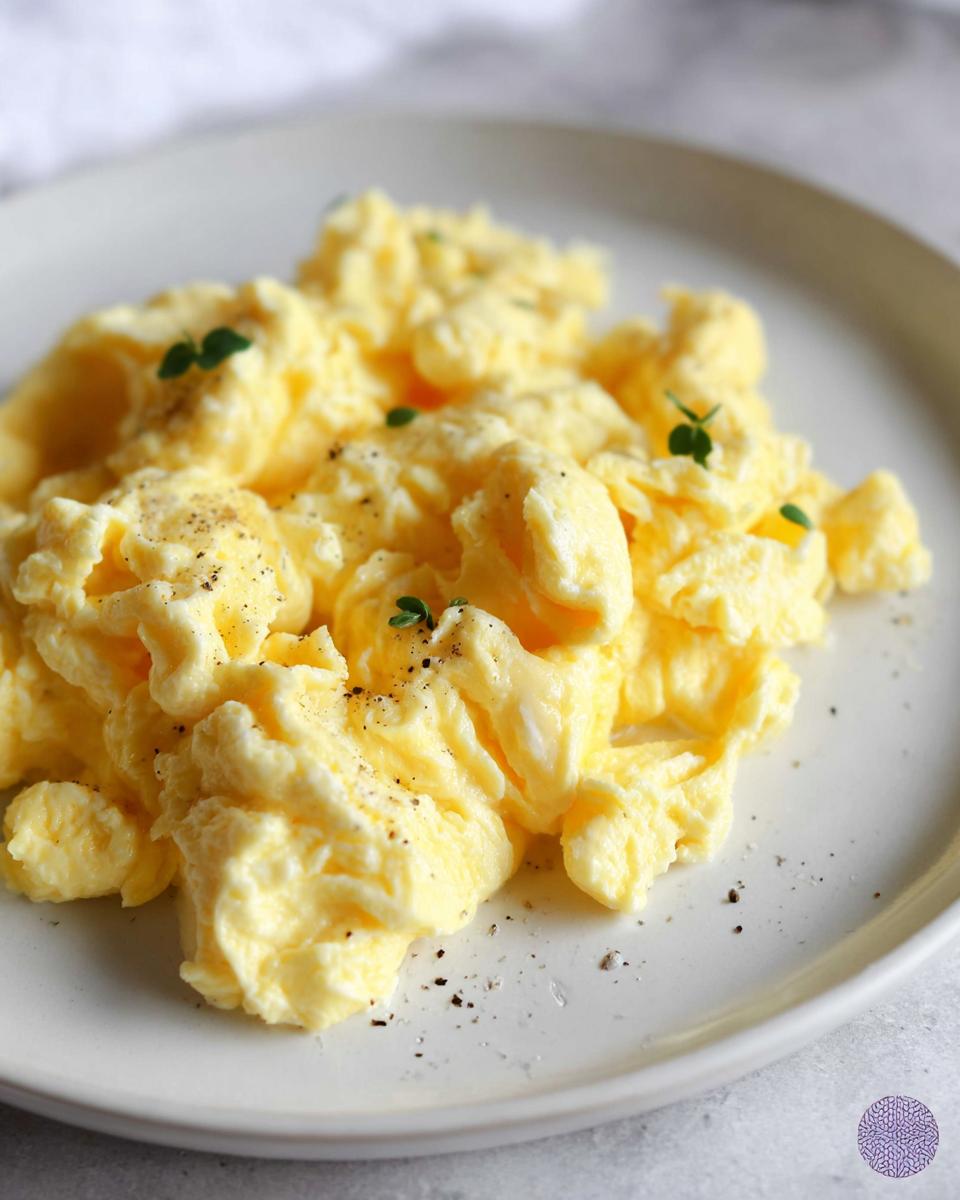
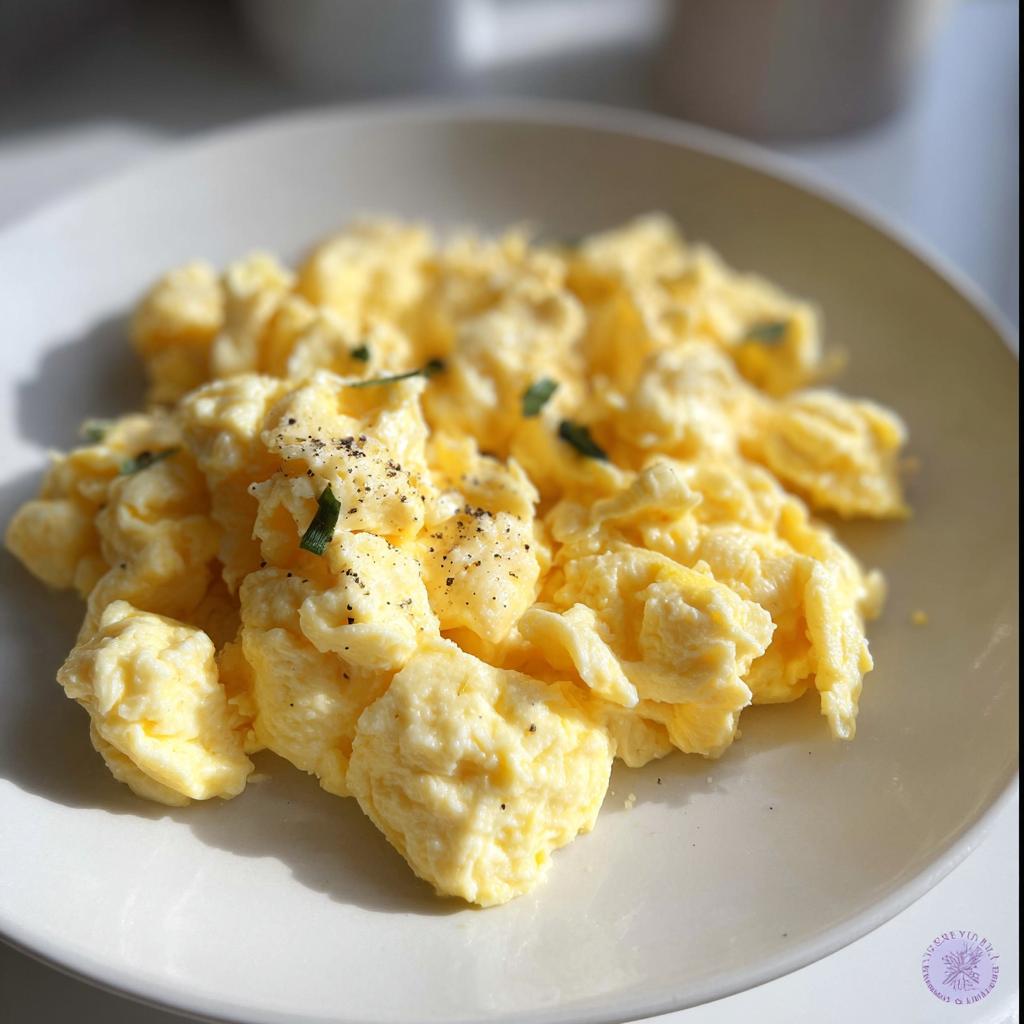
Okay, so scrambled eggs might sound *super* simple, but there’s an art to making them truly incredible – think fluffy, creamy, and full of flavor, not rubbery! This is where Chef Maria’s advice comes in handy. It’s all about control and patience. First, whisk those eggs really well with your half-n-half and salt until they’re light and a little foamy. Then, melt your butter in that nonstick pan over medium heat until it just starts to sizzle. Pour in the eggs and immediately turn the heat down to *medium-low*. This is crucial! Let the edges just start to set, then gently push the cooked bits towards the center with your spatula, letting the liquid egg flow underneath. Keep doing this, letting the eggs cook *slowly*. When they’re mostly done but still look a bit wet and shiny, fold them a couple of times and take them off the heat. They’ll continue cooking a bit, leaving you with the most wonderfully tender, pillow-y scrambled eggs. For more egg perfection, I love checking out tips like those found at bellyfull.net!
Ingredient Clarity for How to Make Egg Recipes Like a Pro (2025)
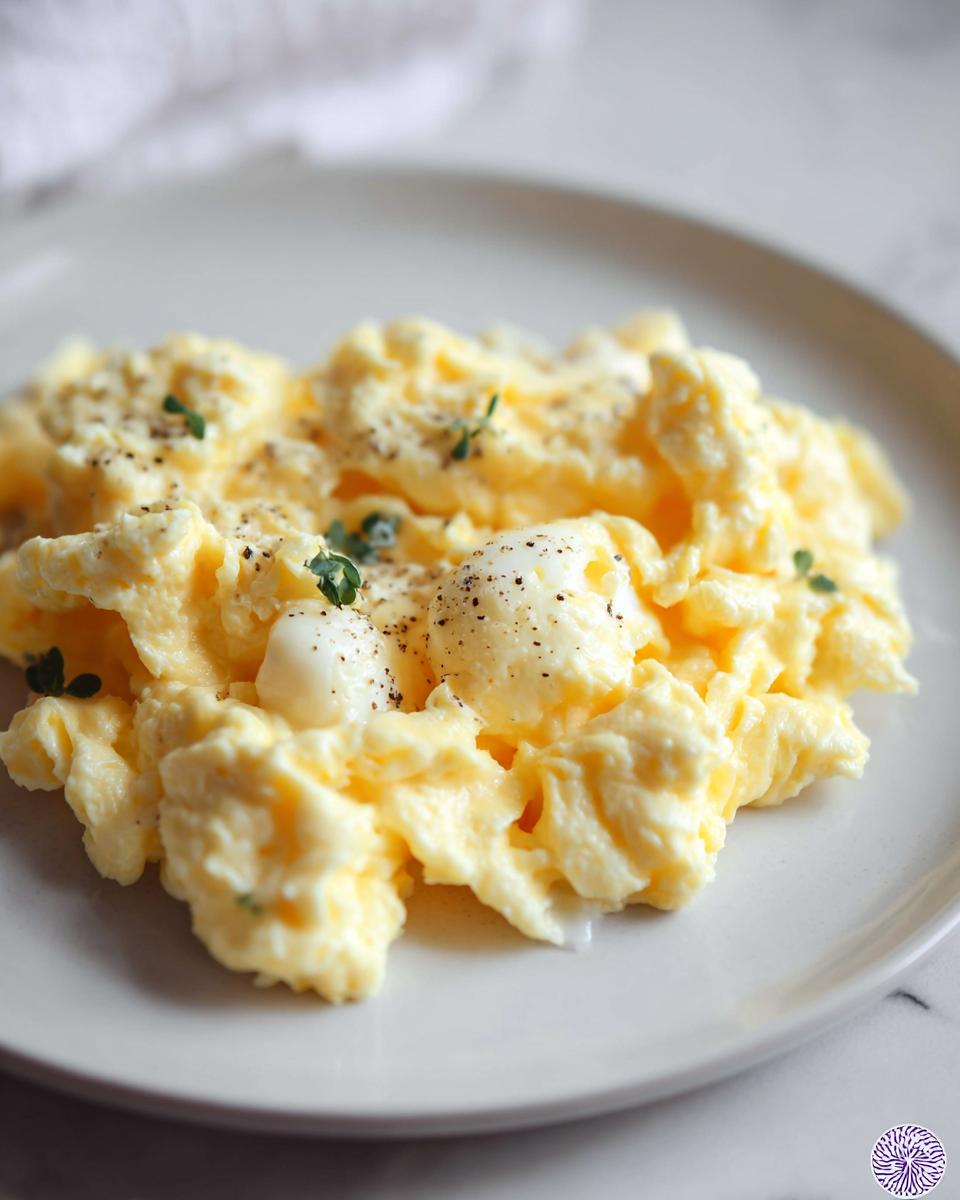
To really master How to Make Egg Recipes Like a Pro (2025), you gotta pay attention to your ingredients. For our perfectly scrambled eggs, we’ve got four beautiful large eggs – the stars of the show! Then, for that extra creaminess, we add about 1/4 cup of half-n-half. Don’t forget your seasoning: a pinch of 1/4 teaspoon of coarse salt is perfect. For cooking, you’ll need 1 tablespoon of unsalted butter. And for serving? A little bit of freshly cracked black pepper and some lovely fresh chopped herbs are totally optional but oh-so-good. Pro tip: Fresher eggs really do make a difference here, so look for the freshest ones you can find!
Step-by-Step Guide: How to Make Egg Recipes Like a Pro (2025)
Alright, let’s walk through this process to really get a handle on How to Make Egg Recipes Like a Pro (2025), focusing on those perfectly fluffy scrambled eggs. It’s a simple recipe, but the timing and technique make all the difference! Get your medium mixing bowl ready. First, go ahead and whisk together your 4 large eggs with the 1/4 cup of half-n-half and the 1/4 teaspoon of coarse salt. You want to whisk until everything is a beautiful, uniform color and you get a nice, foamy texture – it means you’re incorporating air, which is key for fluffy eggs!
Next, grab your small nonstick pan. We’re going to melt 1 tablespoon of unsalted butter in there over medium heat. Let it get melty and just start to foam – that’s your cue that the pan is ready. Once the butter is foamy, pour your egg mixture right into the center of the pan. Now, the *most important* part: immediately reduce the heat to medium-low. Seriously, turn that heat down! Patience is your best friend here.
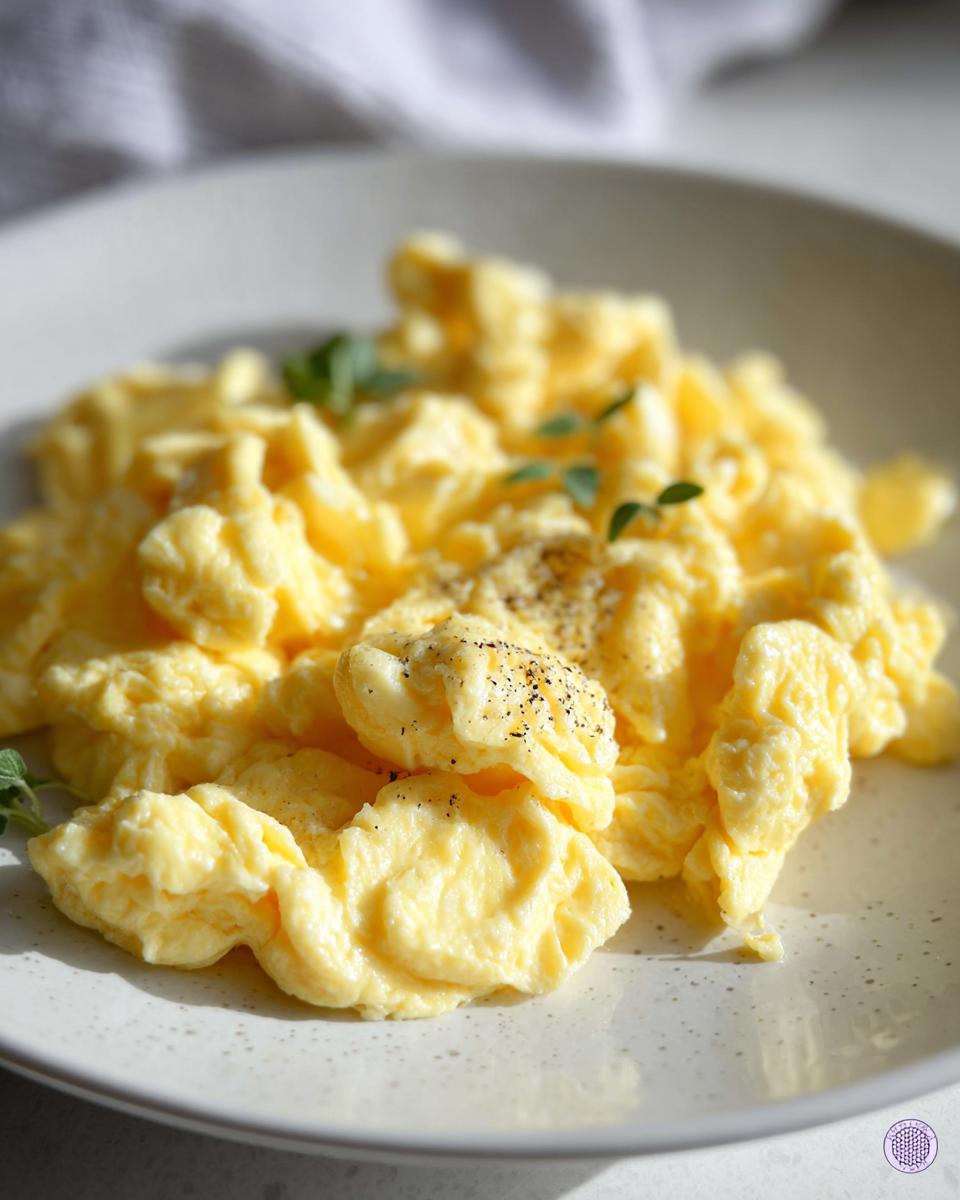
Wait just a moment until you see the edges of the eggs starting to barely set. Don’t let them cook through! Then, take your rubber spatula and gently push the cooked edges towards the center of the pan. You’re creating those lovely, soft curds. Let the uncooked egg flow into the spaces you just made. Keep repeating this gentle pushing motion, pausing between pushes so the liquid can cook into soft folds. When the eggs are mostly done, looking like big, fluffy clouds but still appearing a little wet and shimmery – that’s when you’re almost there. Gently fold them into themselves a couple more times, just to bring everything together.
The trick is to remove them from the heat when they still look a bit moist. They’ll continue to cook from the residual heat in the pan, finishing up perfectly without getting dry or rubbery. Transfer them immediately to your serving plates. Top with some freshly cracked black pepper and those optional fresh chopped herbs if you like. Boom! You’ve just made incredible scrambled eggs. It’s a simple technique that works wonders for all sorts of easy dinner or quick family meal ideas. For more great recipe inspiration, check out these easy gluten-free lunch box ideas!
Tips for Elevating Your Egg Creations
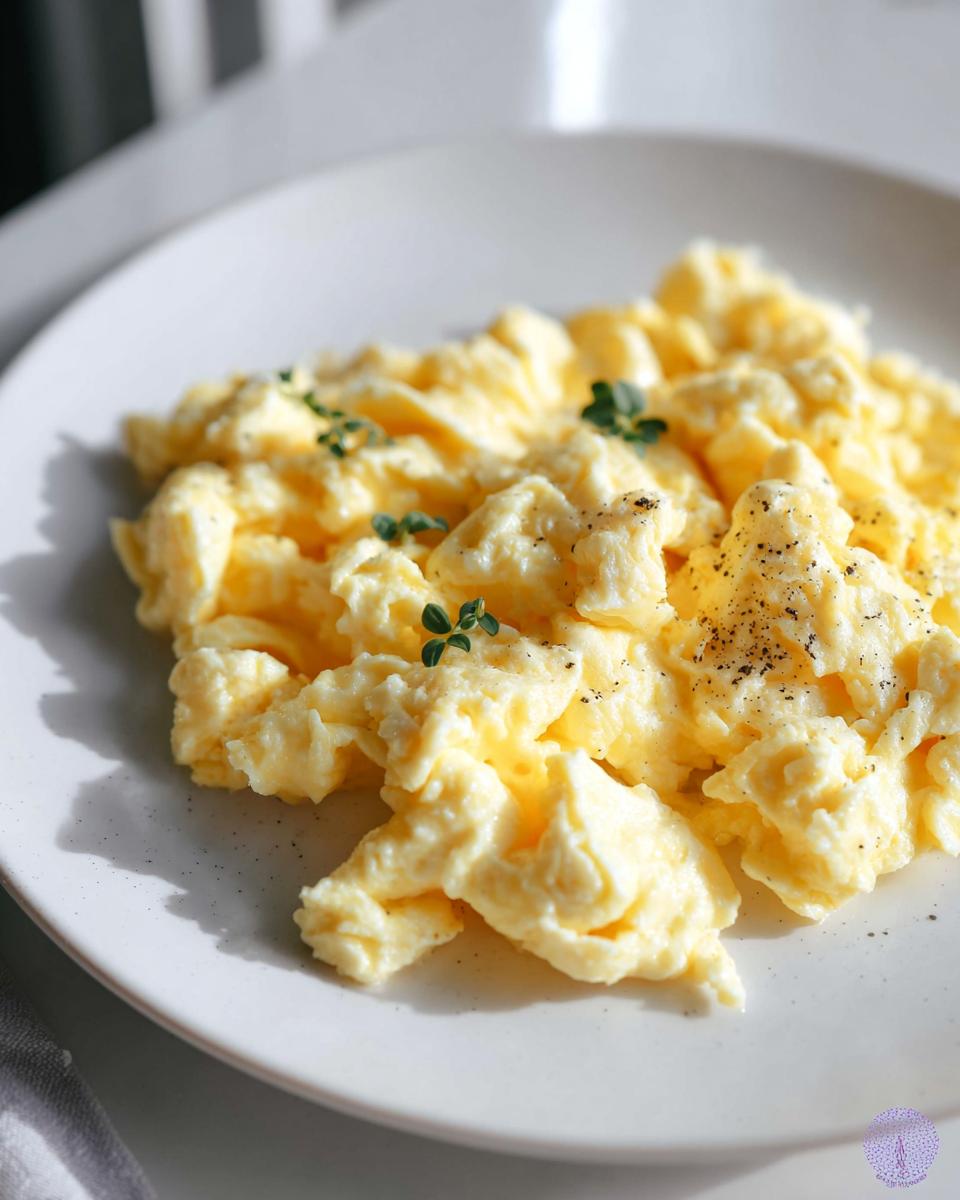
So, you’ve got the basics down, which is awesome! But how do you take those eggs from “good” to “wow”? It really comes down to a few ‘pro’ secrets Chef Maria swears by. First off, heat control is EVERYTHING. Remember in the scrambled egg recipe how we turned the heat down? Do that! It prevents those eggs from going tough and rubbery. Think slow and steady wins the race for tender eggs.
Also, don’t skimp on the whisking! Get some good air in there – it makes a fluffier final product. And when you’re cooking, trust your instincts. Pull those eggs off the heat just before they look *perfectly* done, because they’ll keep cooking for a minute. This little bit of carryover cooking is the secret to that dreamy, creamy texture. For more kitchen wisdom, check out how to create a gluten-free diabetic meal plan – it’s all about smart planning!
Variations and Customizations for Egg Recipes
Now that you’ve got the hang of those perfectly fluffy scrambled eggs, let’s talk about making them all your own! This is where the fun really begins. Don’t be afraid to play around! You can stir in some shredded cheese in the last minute of cooking – cheddar, Monterey Jack, or even a little crumbled feta are fantastic. Or how about some finely chopped veggies? Sautéed mushrooms, bell peppers, or even some wilted spinach add fantastic flavor and texture. And don’t forget the power of fresh herbs! Chives, parsley, dill – they add a lovely pop of freshness right at the end. For even more speedy meal ideas, check out these easy one-pot low-carb meals!
Frequently Asked Questions About Egg Recipes
Got more egg questions swirling around? It’s totally normal! Eggs can seem simple, but there’s always a little something new to learn. Here are some things folks often ask when they’re trying to get their egg game just right. If you need more help, don’t hesitate to reach out!
How do I prevent my scrambled eggs from getting rubbery?
Ah, the dreaded rubbery egg! The biggest culprit is usually overcooking or cooking them over too high a heat. Remember how we talked about medium-low heat and taking them off when they still look a little wet and shimmery? That’s your secret weapon! Slow cooking and removing them from the heat just before they’re perfectly done will give you super creamy, tender scrambled eggs every time. It’s all about patience!
What’s the best way to store cooked eggs?
If you happen to have leftovers (which is rare in my house!), the best way to store cooked eggs is in an airtight container in the refrigerator. For scrambled or fried eggs, they’re usually best within a day or two. They might lose a little bit of their magic texture, but they’re still great for reheating or adding to other dishes. Just remember, they don’t hang around forever, so try to enjoy them fresh!
Can I make omelets with the same technique as scrambled eggs?
While the gentle cooking principle is similar, omelets have their own special touch! You’ll want to cook them over a slightly higher heat (medium, not medium-low) and let a thin layer cook undisturbed before tilting the pan and gently folding. It takes a little practice to get that perfect fold, but the foundation of not overcooking is still key. It’s a little different, but totally doable once you get the hang of it!
Nutritional Information Disclaimer
Just a little heads-up: Any nutritional info you see for these recipes is an estimate, okay? It can totally change depending on the brands you use, the exact ingredients, and how you cook them up. Think of it as a handy guide, not a hard-and-fast rule. For all the detailed info on how we handle data, you can check out our privacy policy!
Share Your Egg Recipe Success!
So, how did your egg adventure turn out? Did you try making these scrambled eggs, or maybe a fun variation? I’d absolutely love to hear all about it! Drop a comment below with your thoughts, your rating, or any fantastic tips you discovered along the way. Your stories help build our amazing cooking community! For more about me and our kitchen adventures, feel free to check out the About page!
Perfectly Scrambled Eggs
Ingredients
Equipment
Method
- In a medium mixing bowl, whisk together the eggs, half-n-half, and salt until the mixture is uniform in color and texture, and is light and foamy.
- Melt the butter in a small nonstick pan over medium heat, until the butter coats the whole pan and just starts to foam.
- Add the eggs to the center of the pan and immediately reduce the heat to medium-low.
- Wait for the edges to just barely start to set, then using a rubber spatula, gently push the eggs from one end of the pan to the other. Continue this process, pausing in between swipes to allow the uncooked egg to settle on the warm pan and cook, gently pushing the liquid to form the curds.
- When the eggs are mostly cooked, with big pillow-y folds, but still look pretty wet, slowly fold the eggs into itself just a couple times, bringing them together.
- Remove from the heat when the eggs still shimmer with some moisture.
- Transfer to serving plates. Finish with some freshly cracked pepper and chopped fresh herbs.
Notes
Tried this recipe?
Let us know how it was!
Certified Gluten-Free Culinary Master
Everything changed in 2017 when I received my celiac diagnosis. After ten years as a traditional pastry chef creating elaborate wedding cakes and French pastries, I suddenly couldn’t even taste my own work. It felt like the end of my culinary world.
Instead, it became my greatest challenge. I had to completely relearn baking – understanding how gluten-free flours behave differently, how they bind, how they absorb moisture. Adding the low-carb requirement? That was like solving a puzzle with half the pieces missing.
My breakthrough came with what I now call my “foundation flour blend system” – different combinations that seamlessly replace wheat flour while maintaining low-carb macros. These techniques have been adopted by culinary schools and have helped countless bakers who thought their favorite treats were gone forever.
That first successful batch of gluten-free, low-carb chocolate chip cookies? Watching my husband close his eyes and smile told me I’d found my true calling. Now, with over 300 tested recipes, I prove daily that dietary restrictions don’t mean culinary limitations.
When I’m not experimenting in my Austin test kitchen, I’m teaching weekend workshops or tending my herb garden with Biscuit, my rescue beagle who’s become an expert at detecting oven timers.