
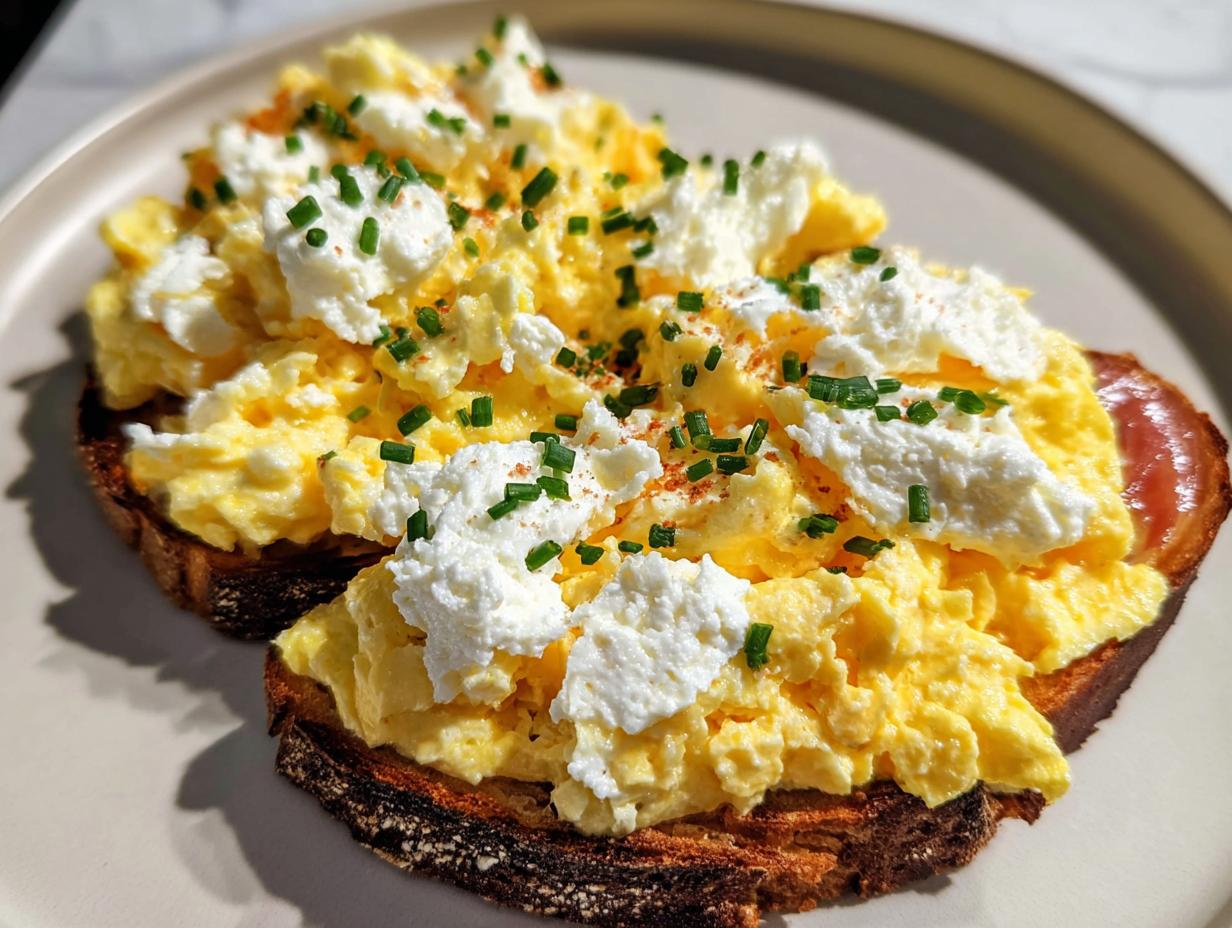
Okay, so breakfast is my absolute favorite meal to get creative with! And let me tell you, I’ve stumbled upon something truly special that I just had to share: Creamy Ricotta Egg Toast. Trust me, it’s a game-changer. Forget boring scrambled eggs; this dish takes simple eggs to a whole new creamy, dreamy level with just a few tweaks. It all started for me, Chef Maria Rodriguez, during a time when I was really exploring healthier, flavorful options – and this recipe was born from a little kitchen magic and a lot of love for good food. As a recipe developer, I’m always looking for ways to make deliciousness accessible, and this one totally fits the bill!
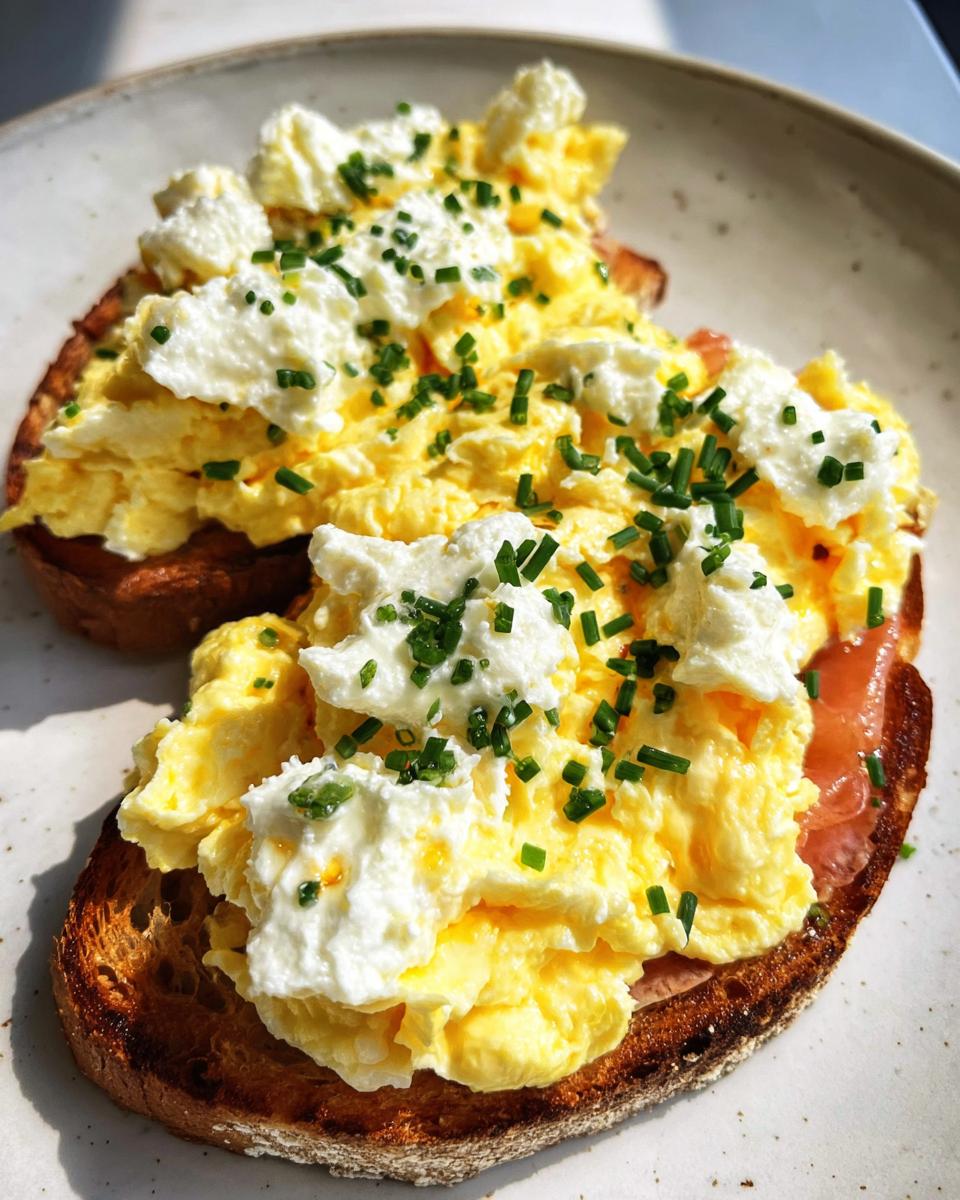
Why You’ll Love This Creamy Ricotta Egg Toast
Seriously, you’re going to be obsessed with this recipe. Here’s why:
- Super Quick: We’re talking about a fantastic breakfast in under 15 minutes from start to finish. Perfect for busy mornings!
- Incredibly Easy: You don’t need to be a gourmet chef. If you can crack an egg, you can make this Creamy Ricotta Egg Toast.
- Heavenly Texture: That ricotta cheese makes the eggs unbelievably creamy and tender, unlike any eggs you’ve had before.
- Flavor Explosion: The subtle tang of the ricotta paired with perfectly cooked eggs is just *chef’s kiss*!
Ingredients for Creamy Ricotta Egg Toast
Alright, let’s talk ingredients for this glorious Creamy Ricotta Egg Toast! You really don’t need much, which is part of what makes it so fantastic. Here’s what you’ll want to grab:
For the Eggs:
- 6 large eggs
- 1/2 cup whole milk ricotta cheese (trust me, whole milk makes a difference here!)
- ⅛ teaspoon kosher salt
For Garnish (Optional, but highly recommended!):
- 2 tablespoons unsalted butter
- 1 tablespoon chopped chives (or other fresh herbs like parsley or dill – whatever makes your heart sing!)
That’s it! Simple, right? Keep those ricotta notes in mind, and you’re already halfway there.
Essential Equipment for Your Creamy Ricotta Egg Toast
To whip up this dreamy Creamy Ricotta Egg Toast, you really don’t need much! Just grab a good old large bowl, a whisk to get things going, and a nonstick pan for cooking. A spatula is your best friend for getting those perfect, soft curds. An immersion blender is a fun optional extra if you’re feeling fancy for extra fluffiness!
How to Make the Perfect Creamy Ricotta Egg Toast
Alright, let’s get cooking this amazing Creamy Ricotta Egg Toast! It’s one of those recipes that looks fancy but is actually so straightforward. The secret is all in the technique and not rushing the process. If you’ve got your ingredients ready and your equipment handy, we’re golden!
First thing’s first: Chef Maria’s little tip for ultimate creaminess! If you can, let those eggs and that ricotta cheese hang out on the counter for about 30 minutes before you start. This little bit of warmth really helps them blend together beautifully and cooks the eggs more evenly. It’s a small step, but trust me, it makes a world of difference. Oh, and get your serving plates out now, because this recipe moves fast at the end!
Okay, into the bowl they go! Crack your 6 large eggs into a big mixing bowl. Now, scoop in about half of your ricotta cheese – save the rest for later, it’s a game-changer, I promise! Grab your whisk and give it a really good, vigorous whisk. You want to break down that ricotta and get it all mixed into the eggs. If you want to go the extra mile for super fluffy eggs, this is where an immersion blender can really work some magic, giving them an even smoother texture. Just pulse it a bit until everything is beautifully combined.
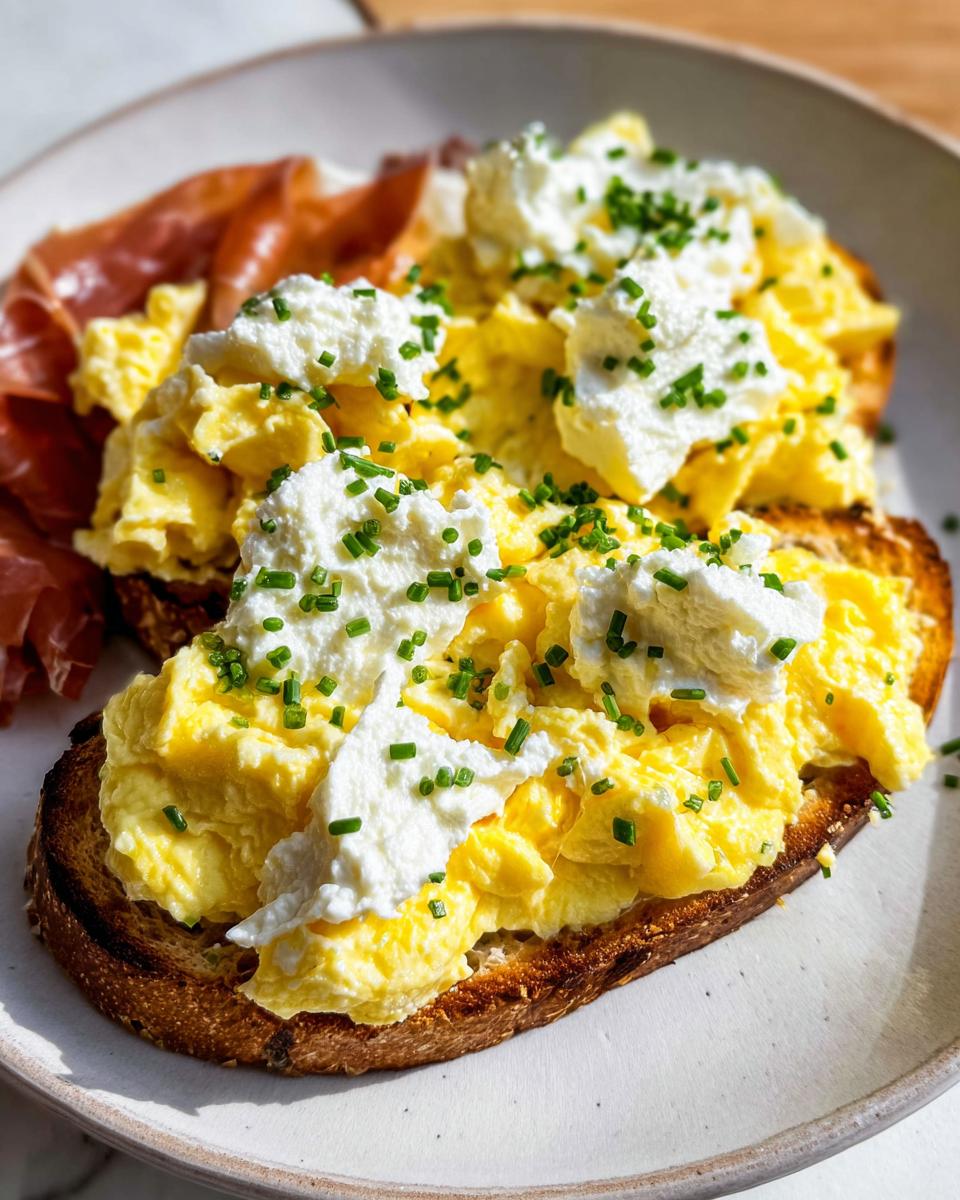
Next, get your nonstick pan over medium heat and pop in that 2 tablespoons of butter. Let it melt and get a little foamy. Just before you pour in your egg mixture, add that pinch of kosher salt and give it one last quick whisk. Now, carefully pour the glorious egg and ricotta blend into the hot pan. Immediately turn the heat down to medium-low. We’re going for gentle cooking here!
Let the eggs set for just about 15 seconds. Don’t walk away! Now, take your spatula and gently push the cooked egg from the sides towards the center, tilting the pan so the uncooked egg flows underneath. Keep doing this, scraping along the bottom and sides, forming those lovely, soft curds. You’re essentially making super-creamy scrambled eggs! Keep going until the eggs are about 90% done – they should still look really moist and glistening. They’ll finish cooking off the heat.
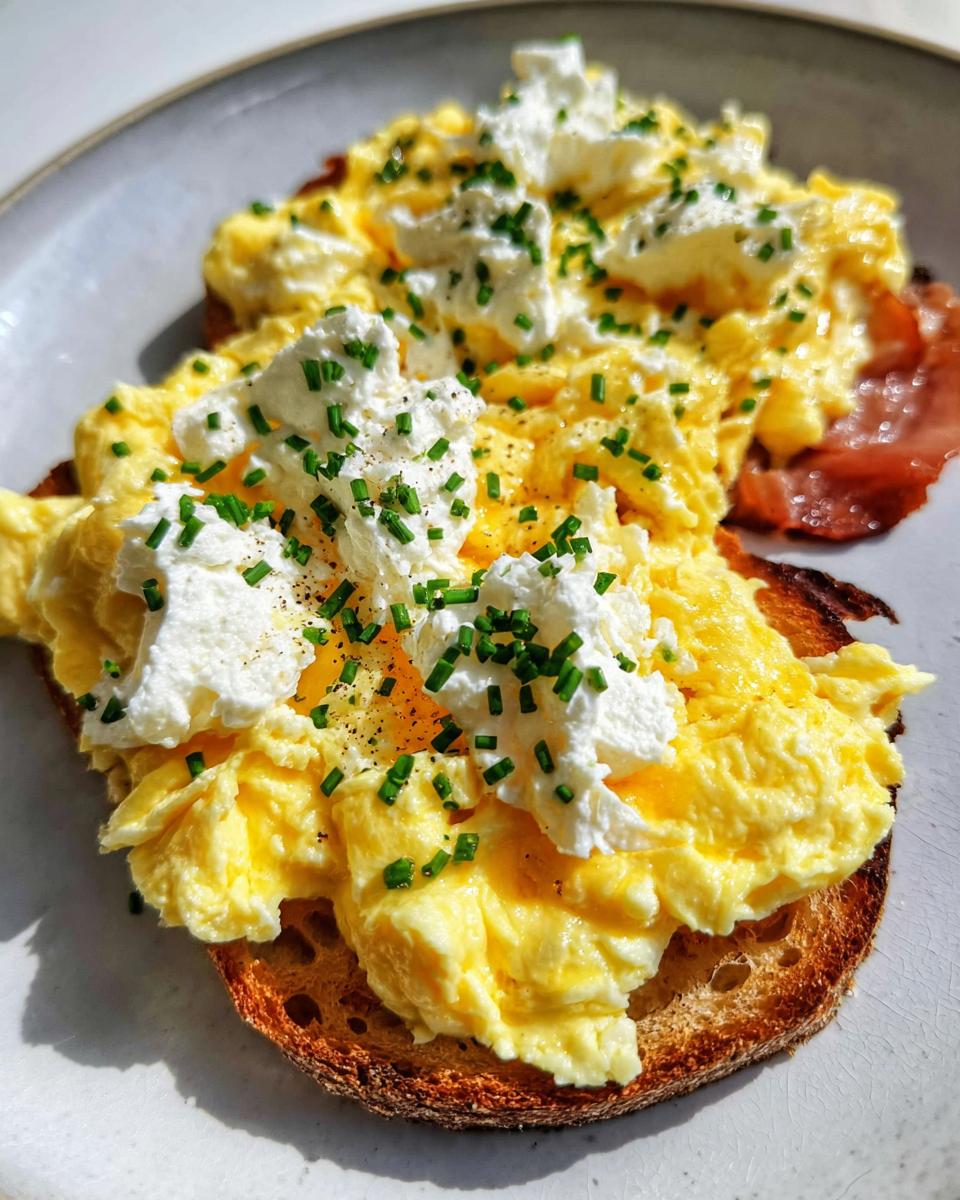
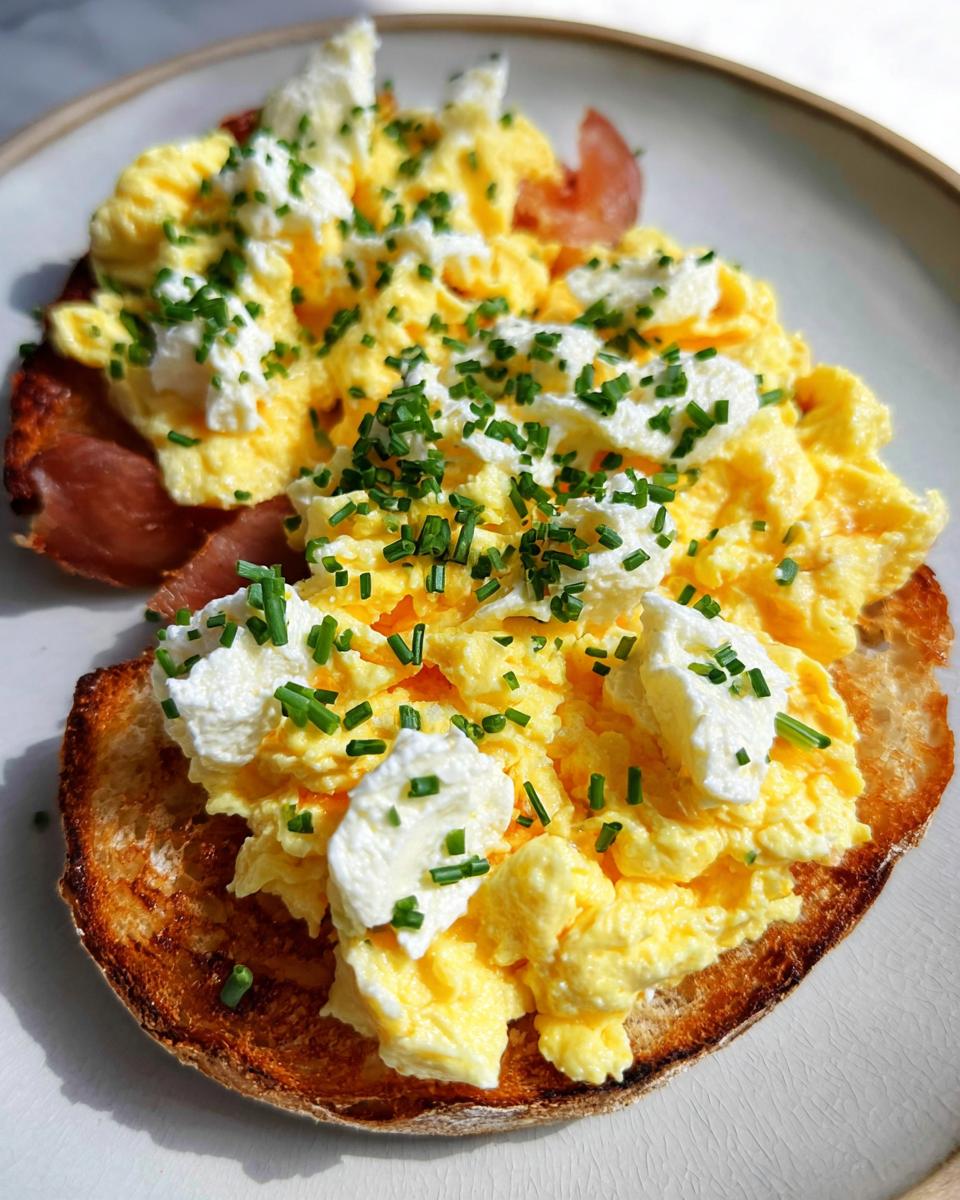
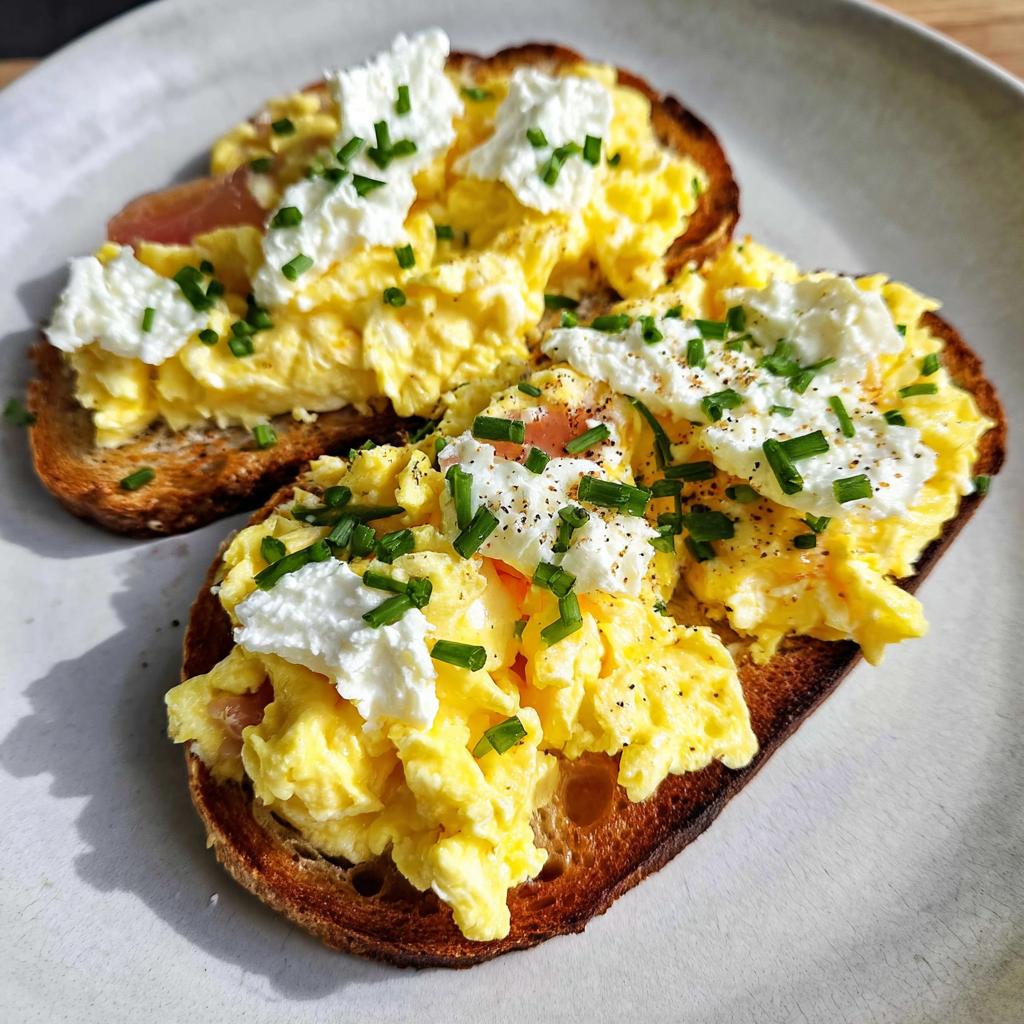
Now for the grand finale! Take the pan right off the heat. Dollop that remaining ricotta cheese right on top of the almost-cooked eggs. Gently fold the eggs over the top of the ricotta, stirring just enough to incorporate it. The residual heat will do the rest, melting the ricotta into pure creamy bliss. Spoon your beautiful Creamy Ricotta Egg Toast directly onto your waiting plates. Garnish with your fresh chives, or any other herbs you love, maybe a crack of black pepper, and serve immediately! You’ve just made the most delicious, creamy eggs ever!
For another amazing egg recipe, check out these egg recipes for meal prep that taste great.
If you love creamy eggs, you’ll also want to try these creamy ricotta scrambled eggs.
Tips for Success with Creamy Ricotta Egg Toast
Okay, so to make sure your Creamy Ricotta Egg Toast turns out absolutely perfect every single time, I’ve picked up a few tricks along the way. First off, really pay attention to that ingredient temperature! Letting your eggs and ricotta come to room temperature for about 30 minutes makes a HUGE difference in how smoothly they blend and how evenly they cook. It’s a simple step, but it leads to that dreamy, creamy texture we’re going for.
Also, keep that pan heat on medium-low once the eggs are in. We’re not making omelets here; we want gentle cooking to develop those soft curds. If the heat is too high, you’ll end up with dry, rubbery eggs, and nobody wants that! Trust me, a little patience with the heat means a lot more creaminess. For more tips on making breakfast like a pro, check out this article on making breakfast ideas recipes like a pro. It’s all about mastering those little techniques!
Ingredient Notes and Substitutions for Creamy Ricotta Egg Toast
So, for this Creamy Ricotta Egg Toast, the star is definitely that ricotta cheese. I really recommend using whole milk ricotta if you can find it – it’s just richer and creamier, which is exactly what we want! If you absolutely can’t find whole milk, the part-skim will still work, but it might not be quite as decadent. As for the eggs, any large eggs will do the trick! If you happen to be looking for a vegan option, you could try using a silken tofu blended with a little plant-based milk and nutritional yeast for that creamy texture, but honestly, the dairy version is just divine!
Serving Suggestions for Your Creamy Ricotta Egg Toast
This Creamy Ricotta Egg Toast is so versatile, it’s fantastic on its own, but it also plays super well with others! I love serving it with a side of crispy, breakfast potatoes or some simple, sauteed veggies for a more complete meal. It’s also divine with a small side salad – think peppery arugula or a simple green salad with a light vinaigrette. If you want to add some extra yum, check out some amazing veggie side recipes that would be perfect alongside your creamy eggs!
Storage and Reheating
Leftover Creamy Ricotta Egg Toast is best stored in an airtight container in the refrigerator for up to 2 days. To reheat, gently warm it in a nonstick skillet over low heat, stirring occasionally, or microwave for short intervals until just heated through. Be careful not to overcook it when reheating, as eggs can become dry quickly!
Frequently Asked Questions about Creamy Ricotta Egg Toast
Got questions about whipping up this dreamy Creamy Ricotta Egg Toast? I’ve got you covered! Here are a few things folks often ask:
Can I make Creamy Ricotta Egg Toast ahead of time?
You *can* make them ahead, but honestly, they’re best enjoyed fresh! If you do have leftovers, store them in an airtight container in the fridge for a day or two. Reheating works best gently on the stovetop or in short bursts in the microwave to avoid overcooking and keep them nice and creamy.
What kind of bread works best with this recipe?
This Creamy Ricotta Egg Toast is fantastic on its own, but if you want to serve it on toast, I recommend a good quality artisan bread, sourdough, or even a hearty whole-grain loaf. Just toast it until it’s golden and slightly crisp, and then pile on those creamy eggs!
Is this recipe gluten-free?
Absolutely! The Creamy Ricotta Egg Toast itself is naturally gluten-free since it’s primarily eggs and cheese. If you serve it on toast, just make sure you’re using a gluten-free bread option. For more gluten-free ideas, you might find this guide on creating a gluten-free meal plan super helpful.
What if I don’t have ricotta cheese?
Ricotta really adds that special creaminess, so it’s hard to replace perfectly. If you must, a very thick, drained Greek yogurt could be a substitute, but you won’t get quite the same rich texture. Full-fat cream cheese, softened, might also work in a pinch, but it will change the flavor profile quite a bit.
Nutritional Information
Just a heads-up, the nutritional info for this Creamy Ricotta Egg Toast is an estimate and can totally change depending on the exact brands you use and how much you pile on! But, generally, for one serving, you’re looking at roughly 300-350 calories, about 20-25g of fat, 15-20g of protein, and around 5-8g of carbs. It’s a pretty satisfying breakfast!
Creamy Ricotta Egg Toast
Ingredients
Equipment
Method
- Crack your eggs into a large bowl and add half of the ricotta. Use a large whisk to vigorously mix the ricotta into your eggs.
- If you want your eggs even more mixed and your eggs to be even fluffier, you can use an immersion blender to fully combine the eggs and ricotta.
- Heat a nonstick pan to medium heat and add butter to melt. Just before cooking, add a pinch of salt to your eggs and whisk them.
- Pour the eggs into the skillet and immediately reduce your heat to medium-low. Allow to set for about 15 seconds and then run a spatula across the surface of the pan, scraping the cooking eggs off to the side and allowing uncooked egg to take their place against the pan.
- Scrape your spatula along the bottom and sides of the pan to continue to form curds and to prevent any part of the eggs from drying out. Continue cooking the eggs until they are about 90% done and they are still glistening with moisture.
- Take your pan off the heat and dollop the remaining ricotta on top of the mostly cooked eggs.
- Fold the eggs over the ricotta and stir in. Transfer directly to serving plates. Garnish with fresh herbs and cracked black pepper, if desired.
Notes
Tried this recipe?
Let us know how it was!
Master Recipe Testing Coordinator
Honestly? I got into recipe testing because I was tired of expensive failures. My gluten sensitivity meant constantly modifying recipes, only to watch them fall apart in my kitchen. After earning my food science degree, I realized the problem wasn’t the recipes – it was the lack of real-world testing.
So I built what became our signature system: every recipe gets tested by fifteen different home cooks. Grandmother with a 1970s oven? Check. College student with only a hot plate? Double check. Denver altitude versus Miami humidity? We’ve got it covered.
My food science background explains why certain substitutions work, but my gluten sensitivity keeps it real. I know the disappointment of reading “just like the original” and ending up with wasted ingredients and ruined dinner plans.
Our network now includes over 200 volunteer testers across different regions, skill levels, and dietary needs. I track everything – ingredient availability, altitude performance, equipment variations – until each recipe achieves “foolproof reliability.”
Leading our social media community is equally rewarding. Whether troubleshooting a recipe gone wrong or celebrating someone’s first successful gluten-free bread, I’m there for every step of their journey.
When I’m not coordinating test kitchens, I’m hiking with Scout, my border collie mix, mentally planning the next round of testing protocols. Reliable recipes aren’t just nice to have – they’re essential for sustainable dietary change.