
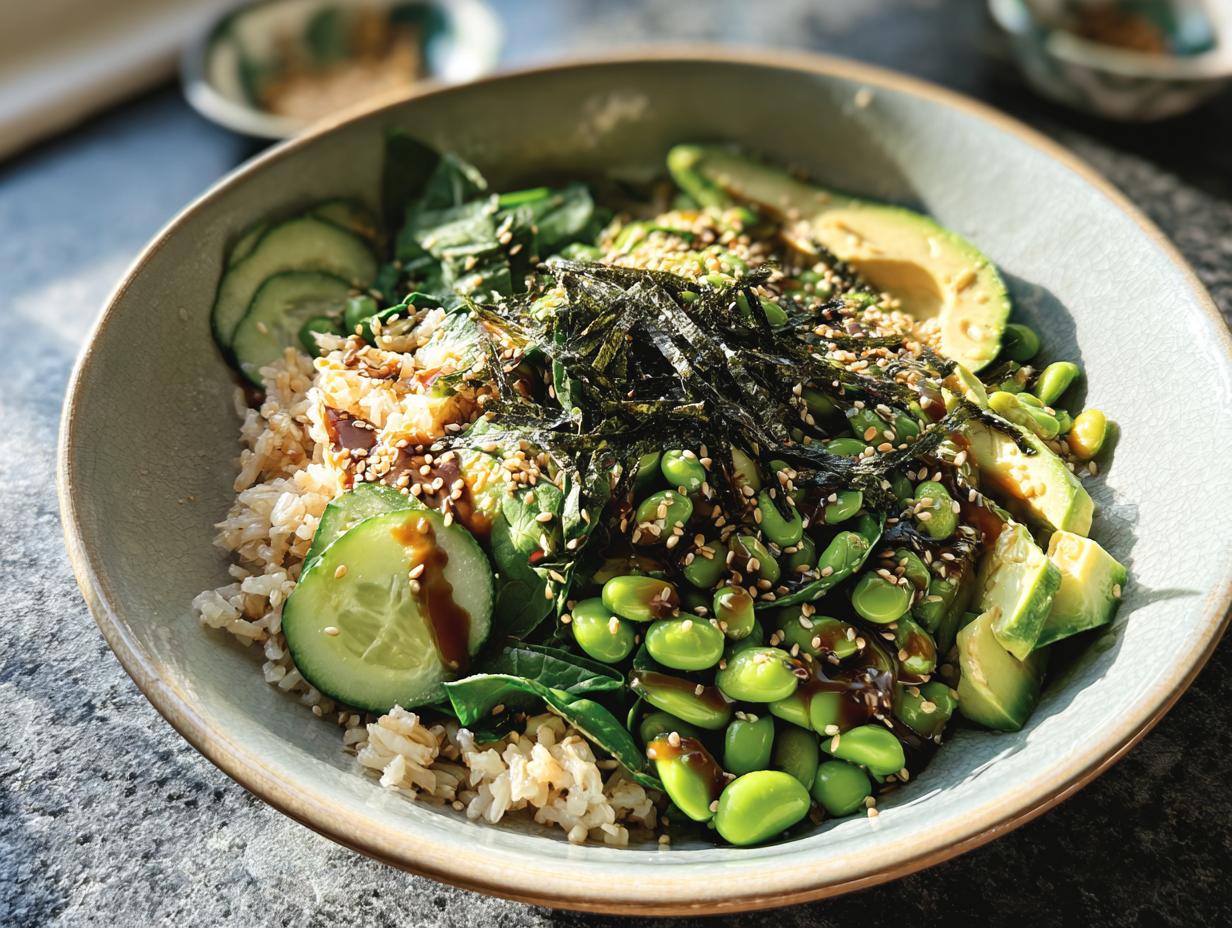
Oh, rice bowls! They’re just the best, aren’t they? So colorful, so satisfying, and honestly, so easy to make your own! I remember when I was first trying to figure out this whole “adulting” thing in college. Juggling classes, a job, and basically no clue how to cook was… a lot. Then, I stumbled upon this simple rice bowl idea, and let me tell you, it was a game-changer for my dinners! Piling on fresh veggies, some protein, and a yummy sauce over perfectly cooked rice just made me feel like a kitchen pro. It was my secret weapon for healthy, tasty meals that didn’t take all night. That feeling of accomplishment, of creating something delicious and good for you, really sparked my love for cooking. This guide, The Ultimate Rice Bowls Recipes Guide for Beginners, is all about bringing that same feeling to you, making it super simple to dive into the wonderful world of rice bowls, no matter your experience level!
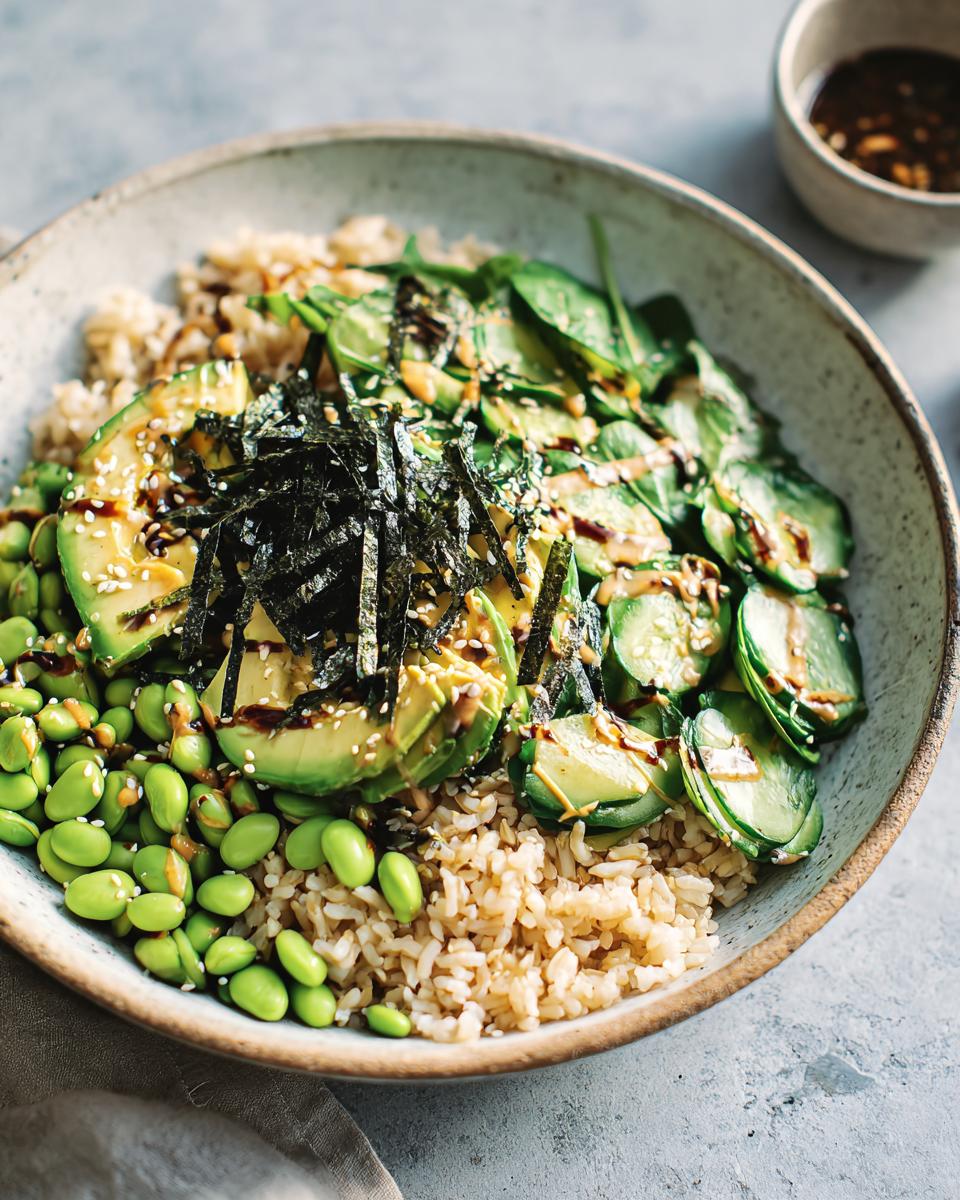
Why You’ll Love This Beginner’s Rice Bowl
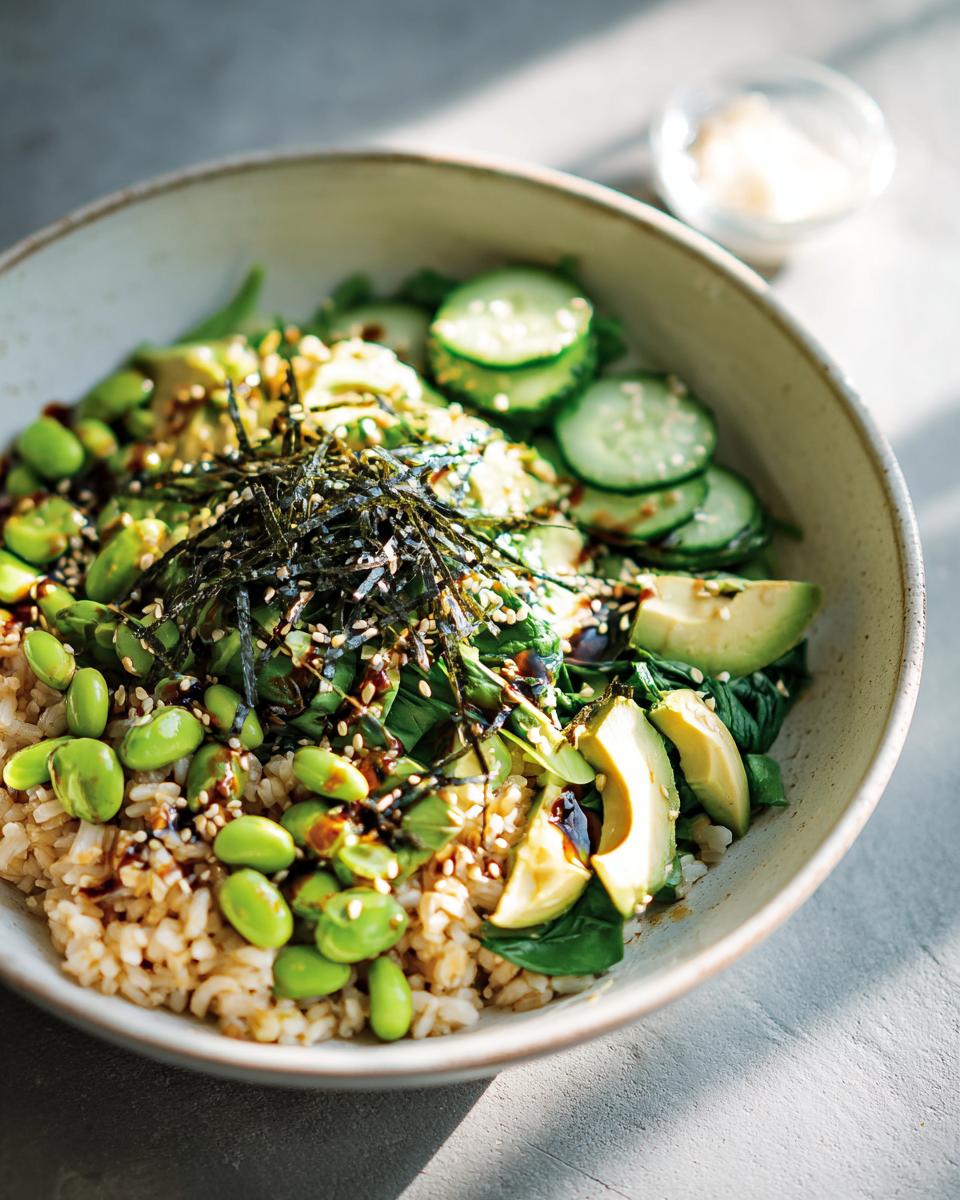
Seriously, this rice bowl is a weeknight hero! It’s ridiculously easy to whip up, even if you think you can’t cook. Plus, it’s packed with healthy stuff that’ll make you feel good from the inside out. The flavors are just spot-on – that sesame-miso dressing is divine! And the best part? It’s super flexible. Don’t like cucumbers? Swap ’em! Want more protein? Go for it! It’s your bowl, your rules!
- Super Simple: Ready in no time with minimal fuss.
- Deliciously Flavorful: A perfect balance of savory, nutty, and fresh tastes.
- Healthy & Nutritious: Packed with whole grains, healthy fats, and veggies.
- Completely Customizable: Easily adapt it to your favorite ingredients!
The Ultimate Rice Bowls Recipes Guide for Beginners: Essential Components
So, you wanna make awesome rice bowls, huh? It’s seriously not complicated! Think of a rice bowl as your personal canvas – we’ve got a few key players that make it all come together. First, there’s the base, usually rice, that gives you that satisfying heft. Then we add some protein to keep you full and feeling good. Don’t forget the veggies and fun toppings for crunch and color! And of course, no rice bowl is complete without a killer dressing. This guide is all about breaking down The Ultimate Rice Bowls Recipes Guide for Beginners so you can build your dream bowl, every single time. It’s all about smart pairings and fresh ingredients!
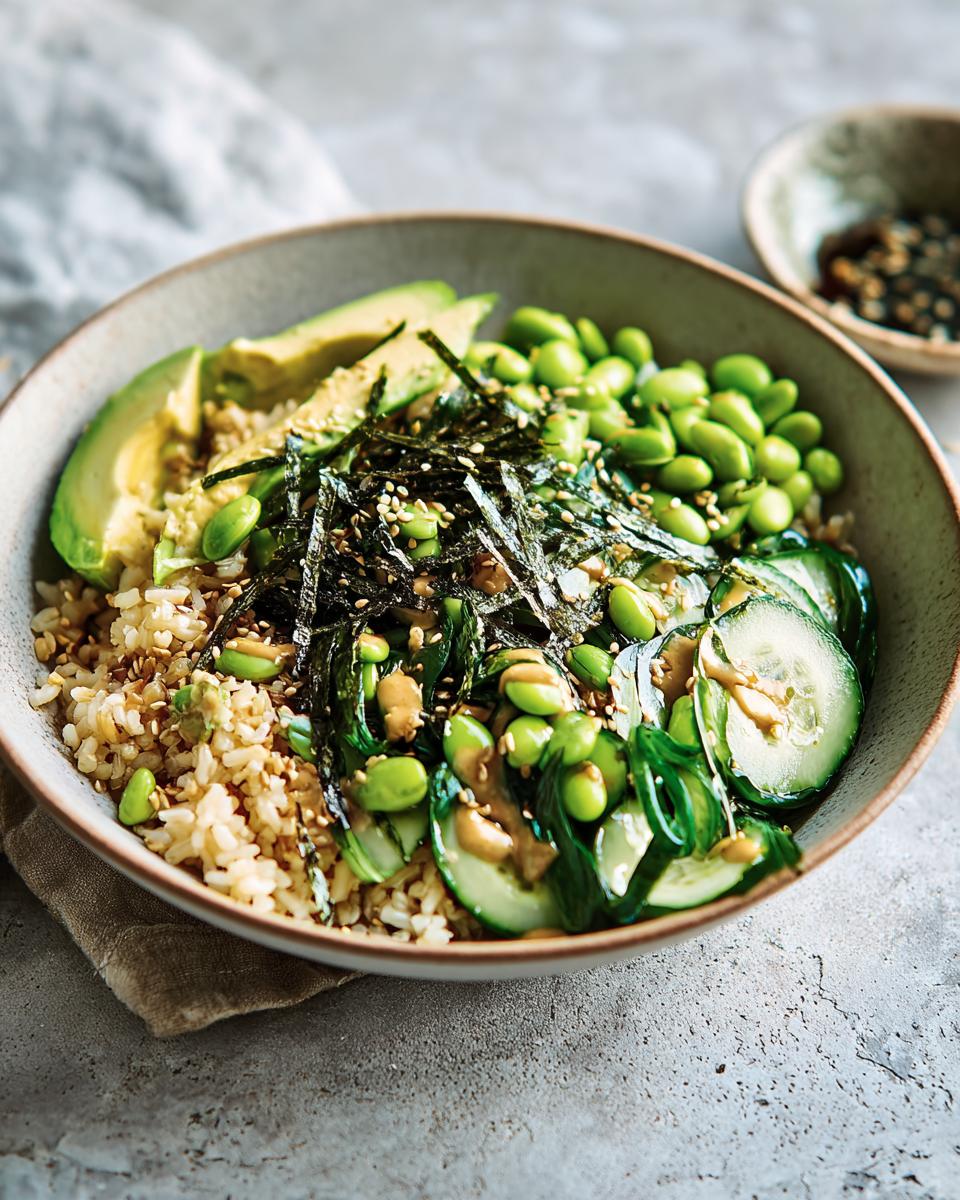
For even more ideas on fantastic rice bowl recipes, check out what Food52 has to offer.
Choosing Your Base: The Perfect Rice for Your Rice Bowls
The rice is your foundation, so pick one you love! Brown rice, like in our featured recipe, is a great choice because it’s packed with fiber and has a nice nutty flavor. But don’t stop there! White rice, sticky sushi rice, or even quinoa can work too. The key is to have it cooked up nicely and ready to go – warm rice is the best starting point, in my opinion!
Protein Power: Adding Substance to Your Rice Bowls
Protein is what makes a rice bowl a *meal*, keeping you satisfied and energized. For beginners, super simple options are best. Think edamame (which we use in our recipe!), pre-cooked grilled chicken, some pan-fried tofu, or even a perfectly cooked egg. It adds that essential heartiness and makes your bowl a complete, balanced dish.
Veggies and Toppings: Freshness and Flavor for Your Rice Bowls
This is where the fun really begins! Load up on easy-to-prep veggies like sliced cucumbers, crisp bell peppers, leafy spinach, or some shredded carrots. And don’t forget those little extras – creamy avocado, crunchy sesame seeds, or even some toasted nori strips add fantastic texture and visual appeal. Freshness is key here, making your bowl pop!
The Magic of the Dressing: Elevating Your Rice Bowls
A good dressing ties everything together! It’s the flavor bomb that makes your bowl sing. You can go super simple with a drizzle of soy sauce and a squeeze of lime, or get a little fancy. Our featured sesame-miso dressing is a perfect example – it’s easy to make but brings so much depth. Don’t be afraid to play around with different sauces to find your perfect match!
Beginner’s Rice Bowl with Sesame-Miso Dressing: A Simple Recipe
Ingredients for The Ultimate Rice Bowls Recipes Guide for Beginners
Here’s what you’ll need for this fantastic starter rice bowl!
For the Rice Bowl:
- 2 cups frozen shelled edamame beans
- 4 cups cooked brown rice, nice and warm
- 4 Persian cucumbers, sliced into pretty rounds
- 3 ripe avocados, peeled and sliced
- 2 big handfuls of fresh baby spinach leaves
- 1 splash extra-virgin olive oil
- 1 tablespoon sesame seeds (white, black, or both – toasted is best!)
- 4 nori seaweed sheets, toasted and cut into thin strips
- 1 pinch of sea salt
- 1 pinch of black pepper
For the Sesame-Miso Dressing:
- 3 tablespoons miso paste (white miso is lovely and mild)
- 1 tablespoon toasted sesame oil
- 1 tablespoon mirin (that’s a sweet Japanese rice wine)
- 1 teaspoon sugar
- 1 teaspoon sesame seeds (toasted, again!)
Step-by-Step Instructions for Your Rice Bowls
Okay, let’s get this bowl party started! It’s really straightforward.
- First things first, toast those sesame seeds! Toss them in a dry skillet over medium heat. Give them a stir now and then for about 5-10 minutes until they smell amazing and toasted. Keep an eye on them so they don’t burn! Set them aside to cool.
- Now, let’s whip up that dreamy dressing. Grab a small bowl, and whisk together the miso paste, toasted sesame oil, mirin, sugar, and those toasted sesame seeds. Whisk until it’s all smooth and lovely. Easy peasy!
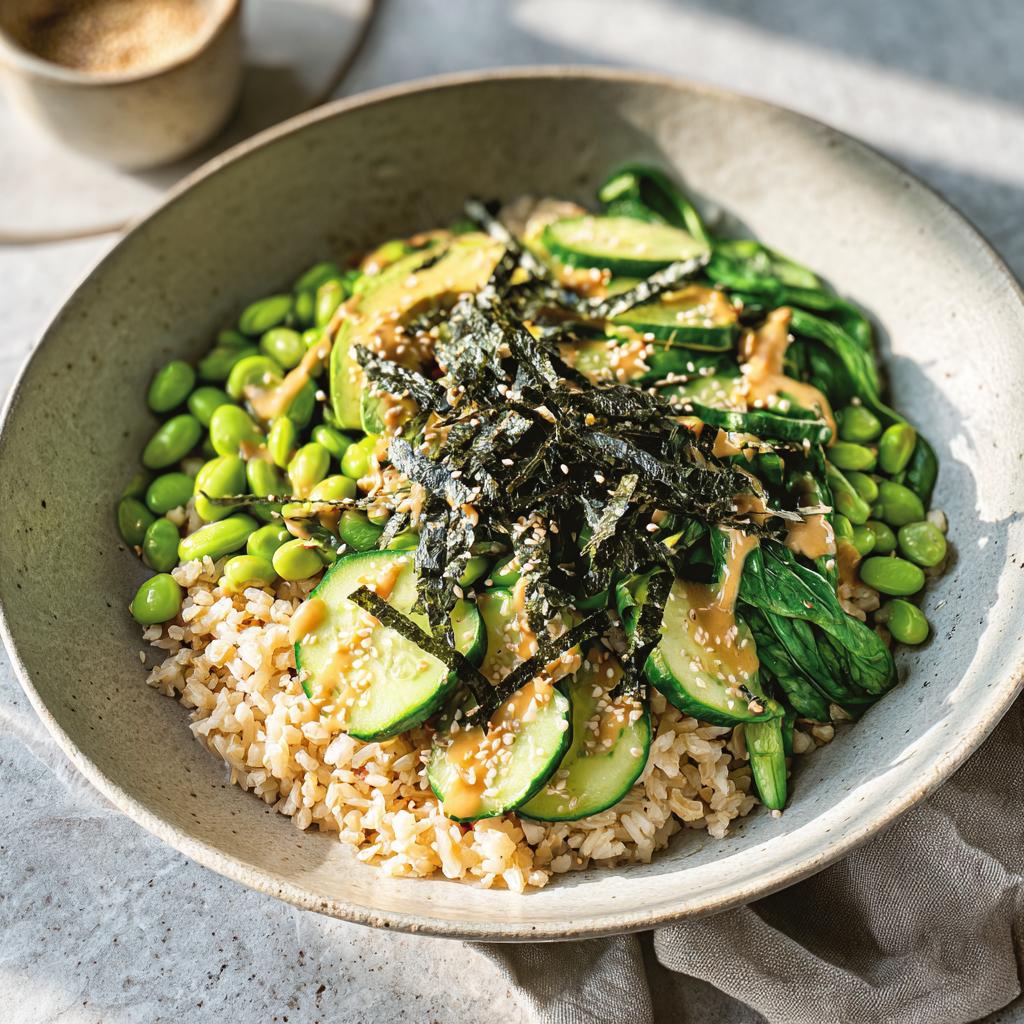
- Time to build your bowls! Divide the warm brown rice among your four bowls. Then, artfully arrange the edamame beans, those neat cucumber slices, the creamy avocado slices, and a nice nest of baby spinach leaves on top of the rice.
- Drizzle each colorful creation with a little splash of extra-virgin olive oil and then generously spoon over that delicious sesame-miso dressing.
- Finally, sprinkle on your toasted sesame seeds and those fancy strips of nori seaweed for a little extra crunch and flavor. Give it all a little pinch of sea salt and black pepper to really make those flavors pop!
Tips for Success with Your Rice Bowls
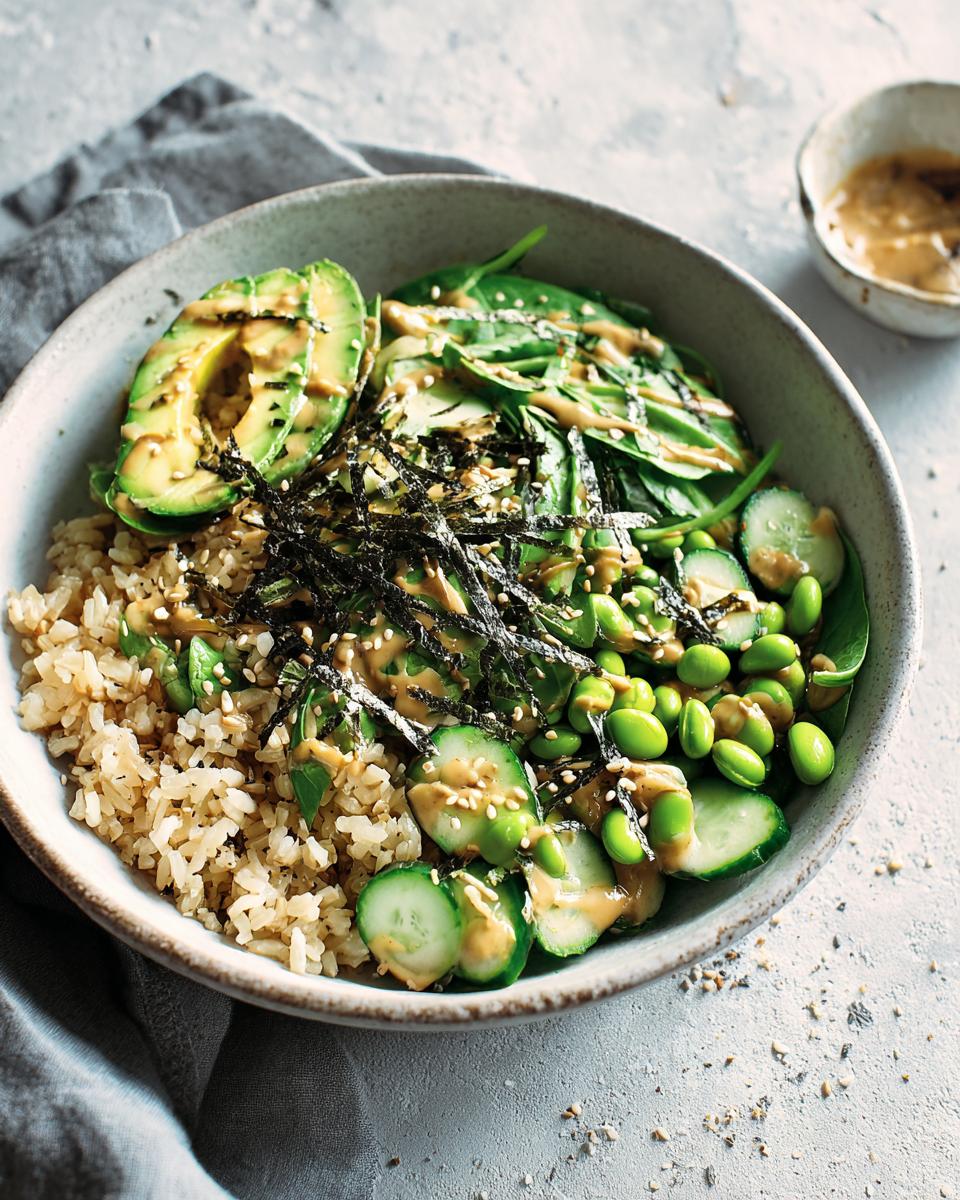
Even though these rice bowls are super beginner-friendly, a few little tricks can make them absolutely perfect every time. Trust me, these are the things I learned along the way that really make a difference! First off, don’t skimp on toasting your sesame seeds – it might seem like a small step, but wow, it brings out a nutty flavor that’s just incredible. And for your dressing? Whisk it up *really* well until it’s totally smooth; that way, every bite gets that perfect flavor distribution. When you’re assembling, try to arrange your toppings nicely – it makes the bowl look as good as it tastes, and honestly, it makes eating it even more enjoyable. If you’re looking for more quick meal ideas, you might find some inspiration on this list of speedy dishes!
Customizing Your Rice Bowls: Beyond The Basics
Alright, now that you’ve got the hang of this super simple rice bowl, it’s time to get creative! The best thing about rice bowls is that they are totally yours to play with. Don’t be shy – experiment! Swap out the edamame for some shredded chicken or crispy pan-fried tofu. If cucumbers aren’t your thing, try some crunchy bell peppers, snap peas, or even some roasted sweet potatoes. You can find all sorts of great meal ideas over here that might give you even more inspiration. Think about adding a different vibe with some kimchi for a spicy kick, or maybe some pickled onions for a sharp tang. The possibilities for your own ultimate rice bowls, especially for beginners, are truly endless!
Frequently Asked Questions About Rice Bowls
Are rice bowls a healthy dinner option?
Absolutely! When you build them right, rice bowls are fantastic for a healthy dinner. Our recipe is packed with whole grains, good fats from the avocado, protein from the edamame, and loads of fresh veggies. It’s a perfectly balanced meal that’s satisfying and nourishing!
How can I make rice bowls quickly for a weeknight dinner?
The secret is a little prep! Cook your rice ahead of time. Chop your veggies (like cucumbers) and make your dressing the night before or even the weekend. Then, it’s just a matter of reheating the rice and assembling everything. So fast!
Can I make rice bowls gluten-free?
You bet! This specific recipe is naturally gluten-free, as long as your miso paste and mirin are certified gluten-free. Just double-check those labels to be safe! It’s super easy to keep your rice bowls delicious and safe for a gluten-free diet.
Still have questions? Feel free to reach out and let us know!
Making Ahead and Storing Your Rice Bowls
One of the best things about rice bowls is how easily you can prep them ahead of time! I always find that doing a little bit of chopping and dressing-making on a Sunday saves my sanity during the week. You can totally cook your rice and store it in the fridge; just reheat it gently before you assemble. Keep your chopped veggies separate, and definitely store the sesame-miso dressing in an airtight container in the fridge. When you’re ready to eat, just assemble everything fresh! If you’re packing these for lunch, keep the dressing separate until you’re about to dig in to keep everything from getting soggy. For more great lunch ideas that stay fresh, check out this list!
Nutritional Information for Your Rice Bowls
Just a heads-up, these numbers are estimates and can change a bit depending on the exact ingredients you use and how big you make your bowls. But generally, this delicious rice bowl comes in around 450-500 calories per serving, with about 25-30g of healthy fats, 15-20g of protein, and roughly 40-45g of carbohydrates. Pretty great for a filling and healthy meal!
Share Your Rice Bowl Creations!
Okay, so now you’ve got all the secrets to making amazing rice bowls! I’d absolutely LOVE to hear how yours turned out. Did you try any fun ingredient swaps? What did you think of that sesame-miso dressing? Drop a comment below and tell me all about it! If you’re feeling inspired, you can also learn more about my journey over here. Happy cooking!
Beginner’s Rice Bowl with Sesame-Miso Dressing
Ingredients
Equipment
Method
- Toast the sesame seeds in a dry skillet over medium heat for about 5-10 minutes, stirring occasionally, until fragrant. Set aside.
- Prepare the dressing: In a small bowl, whisk together the miso paste, toasted sesame oil, mirin, sugar, and toasted sesame seeds until smooth.
- Assemble the bowls: Divide the cooked brown rice among four bowls. Top with edamame beans, sliced cucumbers, sliced avocados, and baby spinach leaves.
- Drizzle each bowl with a splash of extra-virgin olive oil and the sesame-miso dressing.
- Garnish with toasted sesame seeds and strips of toasted nori seaweed. Season with sea salt and black pepper to taste.
Notes
Tried this recipe?
Let us know how it was!
Certified Nutritional Science Authority
The intersection of celiac disease and metabolic health fascinated me from my first dietetic internship. Watching patients struggle to find foods supporting both their autoimmune condition and weight goals launched my career mission: proving medically necessary diets can be nutritionally optimal.
For twelve years, I’ve specialized in gluten-free living while achieving metabolic health objectives. My published research demonstrates that properly planned gluten-free, low-carb eating provides superior nutrition compared to standard approaches.
The hidden trap? Most commercial gluten-free products are carb bombs – rice flour and potato starch masquerading as healthy alternatives. My frameworks avoid this completely, using nutrient-dense ingredients like almond flour and flaxseed that enhance rather than just replace.
Every recipe I review meets rigorous standards: adequate protein for metabolic support, healthy fats for satiety, proper fiber levels for digestive health – all maintaining strict gluten-free protocols for celiac management. I’ve guided over 500 individuals through this optimization process.
My personal gluten-free, low-carb lifestyle fuels my long-distance cycling and triathlon training – proof that these approaches deliver sustained energy and mental clarity. Medical necessity doesn’t mean nutritional compromise.